Fire Breaks Out at Goregaon East Furniture Market: Latest Updates and Impact On Saturday, January 25, 2025, a significant fire erupted in the Khadakpada furniture market in Goregaon East, Mumbai, raising concerns among residents and authorities. Times of India Incident Details The blaze began around 11:20 AM, quickly spreading to five furniture shops in the […]
Fire Breaks Out at Goregaon East Furniture Market: Latest Updates and Impact
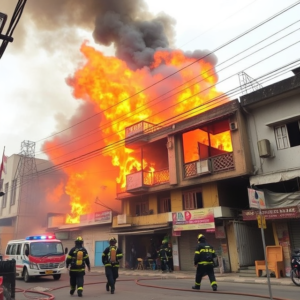
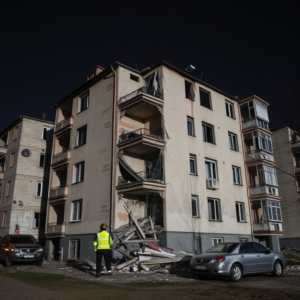
On Saturday, January 25, 2025, a significant fire erupted in the Khadakpada furniture market in Goregaon East, Mumbai, raising concerns among residents and authorities.
The blaze began around 11:20 AM, quickly spreading to five furniture shops in the market. The fire was categorized as a Level-III (major) fire, involving highly flammable materials such as wooden furniture, plastic items, and thermocol.
The Mumbai Fire Brigade responded promptly, deploying 12 fire engines, 11 jumbo water tankers, and one quick response vehicle. Firefighters worked tirelessly to control the blaze, which affected approximately 2,000 square meters of the market area.
Fortunately, no injuries or casualties were reported. The fire’s rapid spread caused significant damage to the affected shops, leading to substantial financial losses for the vendors.
Local residents expressed relief over the absence of casualties but voiced concerns about the market’s safety measures. There is a growing call for enhanced fire safety protocols to protect both vendors and customers in the future.
Conclusion
The fire at Goregaon East’s Khadakpada furniture market underscores the critical need for stringent fire safety measures in commercial areas. While the immediate threat has been contained, the incident highlights the importance of preparedness and preventive strategies to safeguard lives and property.
Syria’s al-Hol Camp Prepares for First Repatriation of Detainees
In a significant development, authorities in northeast Syria are preparing for the first-ever repatriation of detainees from the al-Hol camp. This initiative follows the fall of former President Bashar al-Assad’s regime in December 2023, leading to a shift in the region’s political landscape.
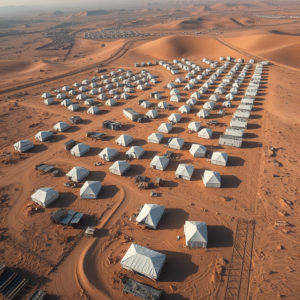
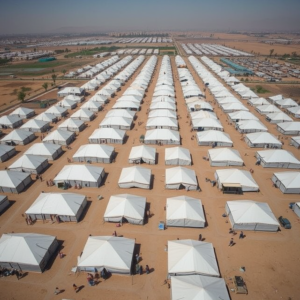
Al-Hol camp, located in northeastern Syria, has been a focal point for displaced individuals, particularly women and children associated with the Islamic State (ISIS). Housing approximately 40,000 residents, the camp has faced challenges related to security and humanitarian conditions.
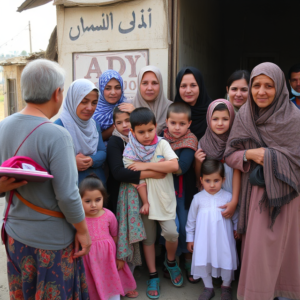
The upcoming repatriation involves 66 families, primarily women and children, who are set to return to areas under the control of the Syrian government. This marks a significant shift in the management of detainees, as the previous regime’s policies had limited repatriation efforts due to concerns over human rights and security.
The repatriation is expected to have several implications:
Security Concerns: The return of individuals associated with ISIS raises potential security risks, including the possibility of re-engagement in extremist activities.
Humanitarian Considerations: Ensuring the safe and dignified return of detainees, along with providing necessary support for reintegration, is crucial to prevent further radicalization.
Political Dynamics: The repatriation process may influence the political relationships between the Syrian government and the Kurdish-led Syrian Democratic Forces (SDF), who have managed the camp.
Conclusion
The planned repatriation from al-Hol camp represents a pivotal moment in Syria’s post-conflict recovery. While it offers an opportunity for individuals to return to their communities, it also presents challenges that require careful management to ensure regional stability and the well-being of all involved.
President Trump’s Proposal to Overhaul FEMA: Potential Impacts on Disaster Management
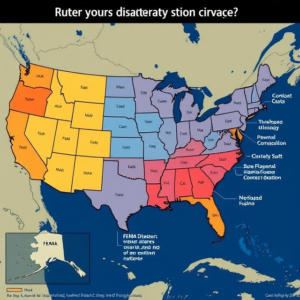
In the wake of recent natural disasters, President Donald Trump has proposed significant changes to the Federal Emergency Management Agency (FEMA), suggesting either a comprehensive overhaul or potential elimination of the agency. This proposal has sparked widespread discussion regarding the future of disaster management in the United States.
President Trump’s Proposal to Overhaul FEMA
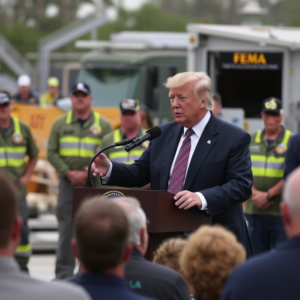
During visits to areas affected by Hurricane Helene in North Carolina and wildfires in California, President Trump expressed dissatisfaction with FEMA’s performance. He criticized the agency’s bureaucratic inefficiencies and suggested that state governments should assume greater responsibility in disaster response. Trump proposed redirecting federal funds directly to states, allowing them to manage recovery efforts more effectively.
State-Led Disaster Response: Empowering state governments to lead disaster management could result in more localized and tailored responses. However, this approach may also lead to inconsistencies in disaster relief efforts across different states.
Resource Allocation: Redirecting federal funds to states raises concerns about equitable distribution, especially for states with limited resources. There is a risk that wealthier states might receive more assistance, potentially neglecting those in greater need.
Coordination Challenges: The absence of a centralized federal agency like FEMA could complicate coordination among various state and federal entities, potentially delaying response times and hindering effective disaster management.
Public Perception: Public trust in disaster response efforts may be affected by the perceived effectiveness of state-led initiatives compared to the established federal framework.
Conclusion
President Trump’s proposal to overhaul or eliminate FEMA represents a significant shift in U.S. disaster management policy. While the intention is to streamline and improve response efforts, careful consideration is necessary to address potential challenges and ensure that disaster relief remains effective and equitable across the nation.
Inside Ukraine’s Drone Operations: Deep Strikes on Russian Territory
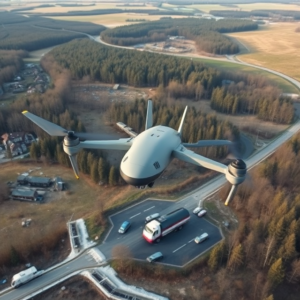
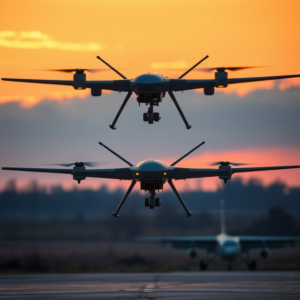
In recent months, Ukraine has escalated its military operations by deploying drones for deep strikes within Russian territory. These strategic attacks aim to disrupt Russian logistics, damage critical infrastructure, and alleviate pressure on Ukrainian frontlines.
The 14th Unmanned Aerial Systems Regiment
Central to this initiative is the 14th Unmanned Aerial Systems Regiment, a specialized unit comprising several hundred personnel, including analysts and engineers. Operating covertly, the regiment focuses on long-range drone strikes targeting key Russian facilities such as airbases and industrial sites. While the unit’s founders acknowledge the significance of drone operations, they emphasize that traditional military forces remain essential for achieving a decisive outcome in the conflict.
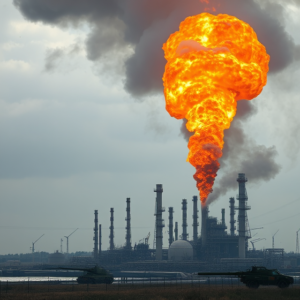
Ryazan Oil Refinery Attack: On January 24, 2025, Ukrainian drones targeted one of Russia’s largest oil refineries in Ryazan, setting oil storage tanks ablaze and causing significant damage to railway loading racks and a hydrotreater unit. This attack was part of a broader raid involving 121 drones targeting 13 regions, including Moscow. The Russian Defence Ministry claimed to have intercepted and destroyed the drones but did not report casualties or damages.
Kazan Drone Strike: Earlier, Ukrainian drones attacked the Russian city of Kazan, damaging several residential buildings. Local authorities reported the incident, highlighting the expanding reach of Ukraine’s drone operations.
These drone operations signify a strategic shift in the conflict, enabling Ukraine to strike deep within Russian territory and target critical infrastructure. While the full impact of these operations is challenging to assess independently, they underscore the evolving nature of warfare and the increasing role of unmanned systems in modern conflicts.
Conclusion
Ukraine’s deployment of drones for deep strikes into Russian territory represents a significant development in the ongoing conflict. As both nations continue to adapt their military strategies, the role of unmanned aerial systems is expected to grow, potentially altering the dynamics of the war.
U.S. Military Aircraft Deports Migrants Amid Heightened Border Security
In a significant escalation of immigration enforcement, the U.S. government has commenced using military aircraft to deport migrants as part of its intensified border security measures. This initiative reflects the administration’s commitment to addressing illegal immigration and enhancing national security.
Deployment of Military Aircraft for Deportations
On January 24, 2025, U.S. Air Force C-17 Globemaster III aircraft were utilized to deport detained migrants to Guatemala. Each flight carried approximately 80 individuals, marking the first known instance of military planes being employed for deportation purposes in recent history.
Upon assuming office, President Donald Trump declared illegal immigration a national emergency, directing the U.S. military to support border security and deportation efforts. This directive has led to increased military involvement in immigration enforcement, including the deployment of additional troops to the southern border.
The use of military aircraft for deportations has elicited varied international responses. Notably, Mexico recently refused permission for a U.S. deportation flight to land, citing paperwork issues. Despite this incident, Mexico’s foreign ministry emphasized the country’s strong relationship with the U.S. and ongoing cooperation on immigration matters.
Implications for Border Security and Immigration Policy
The deployment of military resources for deportations underscores the administration’s stringent approach to border security. While proponents argue that these measures are necessary to uphold the rule of law and national sovereignty, critics raise concerns about the humanitarian impact and potential violations of due process rights.
Conclusion
The utilization of U.S. military aircraft for deporting migrants represents a pivotal development in the nation’s immigration enforcement strategy. As the administration continues to implement robust measures to secure the border, the balance between national security and humanitarian considerations remains a focal point of public discourse.
Exclusive Insights into Hamas’s Recruitment Surge Amid Ongoing Conflict
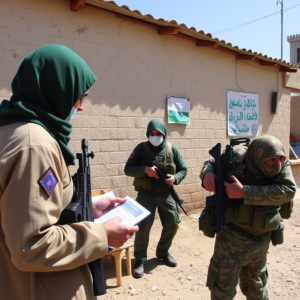
In recent times, Hamas has intensified its recruitment efforts, leading to a significant increase in its ranks amid the ongoing conflict. This surge is driven by a combination of strategic initiatives and prevailing socio-political conditions in the region.
Factors Contributing to the Recruitment Surge
Socio-Economic Challenges: High unemployment rates and economic hardships in Gaza have made many individuals susceptible to recruitment, as Hamas offers financial incentives and a sense of purpose.
Ideological Appeal: Hamas’s narrative of resistance against perceived oppression resonates with segments of the Palestinian population, particularly the youth, who are disillusioned with the current state of affairs.
Community Engagement: Hamas has been actively involved in social services, including education and healthcare, fostering goodwill and trust within communities, which facilitates recruitment.
Recruitment Strategies Employed by Hamas
Utilization of Social Media: Hamas leverages platforms like Facebook, Twitter, and Telegram to disseminate propaganda, communicate with potential recruits, and coordinate activities.
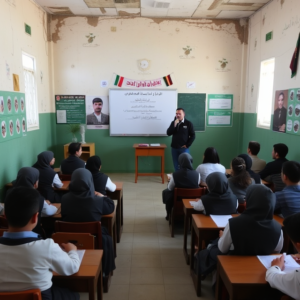
Educational Institutions: By influencing educational curricula and engaging with students, Hamas instills its ideology from a young age, grooming future members.
Religious Institutions: Mosques and religious gatherings serve as venues for spreading Hamas’s message and identifying potential recruits who are sympathetic to their cause.
Implications of the Recruitment Surge
The increase in Hamas’s recruitment efforts has significant implications for regional stability:
Escalation of Conflict: A bolstered Hamas force could lead to intensified confrontations with Israeli forces, resulting in increased casualties and destruction.
Humanitarian Concerns: The recruitment of young individuals into militant activities raises ethical issues and exacerbates the humanitarian crisis in the region.
Impact on Peace Efforts: The growing strength of Hamas may undermine diplomatic initiatives aimed at achieving a peaceful resolution to the Israeli-Palestinian conflict.
Conclusion
Hamas’s recent recruitment surge is a multifaceted issue driven by socio-economic, ideological, and strategic factors. Addressing this challenge requires a comprehensive approach that includes economic development, countering extremist narratives, and fostering dialogue to promote peace and stability in the region.
Hamas’s Recent Military Parade in Gaza: Implications for Middle East Stability
In January 2025, Hamas conducted a significant military parade in Gaza City, showcasing an array of weaponry, including rockets, drones, and armored vehicles. This display of military strength was attended by thousands of supporters and featured speeches from key Hamas leaders.
Strategic Messaging and Regional Reactions
The parade served as a demonstration of Hamas’s military capabilities and resilience. Analysts suggest that this show of force was intended to bolster internal support, deter adversaries, and assert Hamas’s position within the Palestinian political landscape.
The international community has expressed concern over the potential escalation of tensions resulting from such displays. Neighboring countries and global powers are closely monitoring the situation, apprehensive that these actions could destabilize the already fragile peace in the region.
Implications for Middle East Stability
Hamas’s military parade underscores the persistent volatility in the Middle East. Such demonstrations can exacerbate tensions between Israel and Palestinian factions, potentially leading to escalated conflicts. The parade also complicates diplomatic efforts aimed at achieving long-term peace and stability in the region.
Conclusion
Hamas’s recent military parade in Gaza is a significant event with far-reaching implications for Middle East stability. It highlights the ongoing challenges in the region and the delicate balance required to maintain peace.
In the digital age, content moderation is crucial for maintaining safe and respectful online environments. As platforms grapple with vast amounts of user-generated content, the debate intensifies over the optimal balance between automated systems and human oversight.
The Rise of Automated Content Moderation
Advancements in artificial intelligence (AI) have enabled platforms to implement automated content moderation tools. These systems can swiftly identify and filter content that violates community guidelines, such as hate speech, graphic violence, and explicit material. The primary advantage of automation lies in its efficiency and scalability, allowing platforms to manage large volumes of content in real-time.
Despite the capabilities of AI, human oversight remains indispensable. Automated systems may struggle with context, sarcasm, and cultural nuances, leading to potential misclassifications. Human moderators provide the nuanced judgment necessary to interpret complex situations, ensuring that content moderation decisions align with community standards and ethical considerations.
The future of content moderation lies in integrating AI with human expertise. A hybrid approach leverages the speed and scalability of automation while retaining the contextual understanding and ethical judgment of human moderators. This collaboration can enhance the accuracy of content moderation, reduce the burden on human reviewers, and foster a safer online environment.
Implementing a balanced content moderation strategy presents challenges. Ensuring that AI systems are trained on diverse and representative datasets is crucial to minimize biases. Additionally, maintaining transparency in moderation processes and providing avenues for users to appeal decisions are vital for upholding trust and accountability.
Conclusion
As digital platforms continue to evolve, the integration of automated systems with human oversight will be pivotal in shaping the future of content moderation. By embracing a balanced approach, platforms can effectively manage content at scale while upholding the values of fairness, transparency, and user safety.
The Impact of Policy Changes on Social Media Content
Social media platforms are continually evolving, with policy changes significantly influencing the content users encounter. These modifications can affect content moderation, user engagement, and the overall digital landscape.
Recent Policy Shifts and Their Implications
In January 2025, Meta (formerly Facebook) announced a series of policy changes across its platforms. Notably, Meta discontinued its internal fact-checking program, opting instead for a “Community Notes” system. This system allows users to add contextual notes to posts, with the community determining their relevance. Additionally, Meta relaxed certain moderation practices, focusing more on severe and illegal content. These changes have sparked discussions about the balance between free speech and the need to combat misinformation.
Similarly, Pakistan’s parliament passed a bill granting the government extensive control over social media. The legislation empowers authorities to imprison users for spreading disinformation and mandates the creation of an agency to block unlawful content. Critics argue that this bill could stifle freedom of expression and lead to increased censorship.
Policy changes in social media are not limited to individual countries. Globally, there is a growing trend toward regulating social media platforms to address issues like misinformation, hate speech, and user privacy. For instance, the European Union has been proactive in implementing regulations aimed at holding tech companies accountable for the content shared on their platforms. These regulations often require platforms to take more responsibility for the content they host, leading to significant changes in content moderation practices.
Implications for Users and Content Creators
For users, policy changes can alter the type of content they see and interact with. Relaxed moderation policies might lead to increased exposure to diverse viewpoints but also raise concerns about the spread of misinformation. Conversely, stricter regulations can enhance content quality but may limit the diversity of opinions and discussions.
Content creators must adapt to these policy shifts to maintain their reach and engagement. Understanding the evolving rules is crucial for creating content that aligns with platform guidelines and resonates with audiences.
Conclusion
Policy changes on social media platforms have profound effects on the content landscape. As platforms adjust their policies, they influence the information users access and the way content is created and shared. Staying informed about these changes is essential for users and content creators to navigate the digital environment effectively.
The Role of User Engagement in Ensuring Content Accuracy
In the digital age, the accuracy of online content is paramount. With the proliferation of misinformation and the rapid spread of unverified information, ensuring content accuracy has become a significant challenge. User engagement plays a pivotal role in addressing this issue, serving as a frontline defense against the dissemination of false or misleading information.
Understanding User Engagement
User engagement refers to the interactions between users and digital platforms, encompassing activities such as clicks, comments, shares, and time spent on content. High levels of engagement often indicate that users find the content valuable and relevant. Measuring user engagement is crucial for understanding how users interact with content and can provide insights into the effectiveness of content strategies.
Engaged users are more likely to critically evaluate the content they encounter. This critical engagement can lead to the identification and reporting of inaccuracies, thereby enhancing the overall quality of information available online. Platforms that encourage user participation in content moderation, such as crowdsourced fact-checking, leverage this engagement to improve content accuracy.
Crowdsourced Fact-Checking: A Case Study
Meta’s recent shift from traditional third-party fact-checking to a “Community Notes” system exemplifies the role of user engagement in content accuracy. This system empowers users to flag misleading content and provide additional context, relying on the community to assess the veracity of information. While this approach democratizes fact-checking, it also raises concerns about bias and the potential spread of misinformation.
Studies have shown that crowdsourced fact-checking can be effective in combating misinformation. Research indicates that when users are involved in the fact-checking process, they are more likely to trust the corrections provided, leading to a more informed user base.
Despite its benefits, crowdsourced fact-checking faces challenges. The accuracy of user-generated content can vary, and there is a risk of echo chambers where users reinforce their existing beliefs. Additionally, the effectiveness of such systems depends on the active participation of a diverse user base and the implementation of robust moderation policies to prevent abuse.
Conclusion
User engagement is a powerful tool in ensuring content accuracy. By actively involving users in the content verification process, platforms can harness collective intelligence to combat misinformation. However, it is essential to address the challenges associated with user-generated content to maintain the integrity of information shared online.