Realme GT 8 Pro Launch Snapdragon 8 Elite Powerhouse
202516+
The Realme GT 8 Pro has officially launched in India on November 20, 2025, and it’s easily one of the most ambitious flagship releases of the year. Packed with the Snapdragon 8 Elite Gen 5 chipset, a Ricoh-engineered camera system, and a massive 7,000mAh battery, the GT 8 Pro challenges every major premium phone in […]
The Realme GT 8 Pro has officially launched in India on November 20, 2025, and it’s easily one of the most ambitious flagship releases of the year. Packed with the Snapdragon 8 Elite Gen 5 chipset, a Ricoh-engineered camera system, and a massive 7,000mAh battery, the GT 8 Pro challenges every major premium phone in its segment.
Starting at ₹49,999 for the 12GB + 256GB variant, Realme is clearly targeting creators, mobile photographers, and gamers who want desktop-level performance in a sleek pocket-sized machine.
A Camera-Centric Flagship with Ricoh GR Magic
First unveiled in China in October 2025, the GT 8 Pro gained global attention upon its India debut—mainly because of its Ricoh GR collaboration, a first for any smartphone.
The device features:
50MP Ricoh GR main sensor with anti-glare coating
Dedicated GR Mode for film-like, natural color science
50MP ultrawide lens for landscape and travel shots
32MP front camera with 4K video support
This setup makes the GT 8 Pro a street photography beast, and early samples online show stunning low-light performance, true-to-life skin tones, and crisp zoom clarity.
Performance: Snapdragon 8 Elite + HyperVision AI Chip
Under the hood, the Realme GT 8 Pro packs:
Snapdragon 8 Elite Gen 5 (45% faster CPU than Gen 4)
Up to 16GB LPDDR5X RAM
Up to 1TB UFS 4.0 storage
Realme UI 6.0 (Android 15)
HyperVision AI chip for image enhancement, gesture controls & scene detection
Realme promises 4 years of OS updates and 5 years of security support, making it a reliable long-term device.
Gamers will appreciate the 144Hz LTPO 2K display, 7,000 nits peak brightness, and rapid touch response, while multitaskers can enjoy lightning-fast app switching.
Internet Reactions: A Hit Already
“Ricoh cameras on a phone? Absolute game-changer!” – @TechEnthusiastIN Tech fans are loving the collaboration, and memes about the swappable camera backs have taken over X, calling it “Lego for photographers.”
Against competitors like OnePlus 13R (₹50,000) and iQOO 13 (₹55,000), the GT 8 Pro holds a strong advantage with its:
120W fast charging (0–100% in 30 minutes)
50W wireless charging
IP69 rating (rain, dust, and splash resistant)
For travelers, the 7,000mAh battery comfortably delivers 2 days of heavy usage, making it a serious workhorse.
5 Reasons Why the Realme GT 8 Pro Is 2025’s Camera King
Ricoh GR Main Camera Beautiful film-like tones, anti-glare lens, and unmatched street photography output.
200MP Periscope Zoom Capture distant details—perfect for concerts, wildlife, or street markets.
HyperVision AI Engine Real-time scene tuning for deserts, monsoons, neon lights, and low light.
Swappable Camera Modules Customize your setup for portraits, wide-angle travel shots, or food vlogs.
Brilliant 144Hz 2K Display Edit photos, color-grade videos, or watch HDR content—even under harsh sunlight.
Final Verdict: A Creative Powerhouse at ₹49,999
The Realme GT 8 Pro is more than a smartphone—it’s a creator’s toolkit, a travel companion, and a gaming machine, all wrapped in one premium device. If you’re someone who loves photography, travels often, or creates content daily, this flagship is an excellent choice.
Which feature impressed you the most? Tell us in the comments!
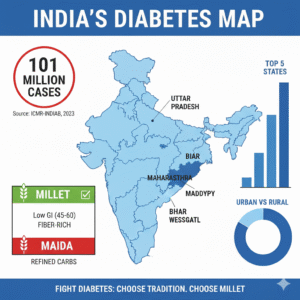
On **World Diabetes Day 2025** (November 14), India stands at a crossroads: 101 million adults live with diabetes—the highest globally—per ICMR-INDAIB 2025 data. With 136 million pre-diabetic, the theme *”Access to Diabetes Care”* spotlights gaps in rural screening, insulin affordability (₹300/vial vs. ₹1,200 global avg), and diet education. As PM Modi launched the National Diabetes Mission, X buzzed with #DiabetesDayIndia—celebrities like Akshay Kumar shared millet khichdi recipes, while Delhi’s AQI crisis worsened insulin resistance risks.
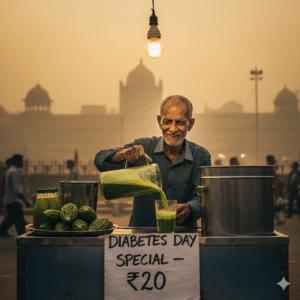
The stats sting: 1 in 7 Indian adults affected, 77 million undiagnosed (Lancet 2025). Urban spikes in Mumbai (18% prevalence) and rural surges in Bihar (12%) tie to processed foods—60% of urban diets exceed WHO sugar limits. Yet, hope emerges: Ayurveda’s bitter gourd (karela) juice cuts HbA1c by 0.8% (AIIMS study), and millets like jowar reduce post-meal spikes by 30%. This **World Diabetes Day 2025** is a wake-up for foodies—swap maida with ragi, trade cola for nimbu pani.
X users shared survival hacks: “Reversed pre-diabetes with 10k steps + dal chilla!” (@DiabetesWarriorIN). Travel tip: Delhi’s smog (AQI 425) worsens glucose control—pack glucometers for flights. From Chennai’s idli upgrades to Punjab’s sarson saag tweaks, India’s kitchen holds the cure.
5 Diabetes-Friendly Indian Recipes for World Diabetes Day 2025
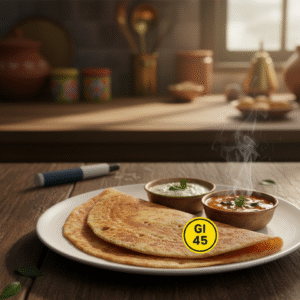
Ragi Dosa (South India): 1 cup ragi flour + urad dal, 120 cal/serving, GI 45.
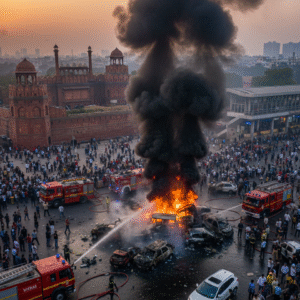
A powerful explosion rocked Delhi’s heart on November 10, 2025, when a car erupted in flames near Gate No. 1 of the Red Fort Metro Station, killing at least 8 people and injuring over 20. The blast, reported at 6:52 PM, sent shockwaves through the crowded Chandni Chowk area, shattering streetlights, damaging multiple vehicles, and igniting fires that gutted three to four nearby cars. As emergency teams rushed to the scene, the incident has triggered a high alert across Delhi, Mumbai, Uttar Pradesh, Haryana, and Kolkata, with the National Investigation Agency (NIA) and National Security Guard (NSG) joining the probe.
The blast’s intensity was staggering—eyewitnesses described it as an “earthquake” that flung cars 150 meters and shattered windows in adjacent buildings. Delhi Police Commissioner Satish Golcha confirmed the explosion occurred in a “slow-moving vehicle stopped at a red light,” with 2-3 people inside. Seven fire tenders and 15 ambulances responded swiftly, dousing the flames and rushing the injured to LNJP Hospital, where eight fatalities were declared. Forensic teams are on-site, and the area remains cordoned off, with no immediate claim of responsibility. This comes hours after a 2,900 kg explosives seizure in Faridabad, though police sources say no direct link yet.
The **Delhi car blast near Red Fort** has heightened security at religious sites and borders, with nakabandis and random checks ordered. Prime Minister Narendra Modi spoke with Home Minister Amit Shah, directing a thorough investigation. X users shared harrowing videos of the aftermath—smoking wreckage, panicked crowds, and rescue efforts—while locals recounted the terror: “It felt like we were all going to die,” said a shopkeeper near Chandni Chowk. The incident disrupts daily life in this UNESCO heritage hub, a magnet for tourists exploring Mughal history and street food.
Travel & Safety Advisory: What Delhi Visitors Need to Know
Immediate Closures: Red Fort Metro Station suspended; avoid Chandni Chowk until further notice. Alternate routes: Chandni Chowk Metro or rickshaws from Jama Masjid.
Security Boost: Enhanced checks at monuments like India Gate and Qutub Minar; expect delays at airports (IGI Terminal 3).
Safe Alternatives: Head to South Delhi (Hauz Khas Village for food) or Noida for shopping; monitor Delhi Police alerts via app.
For travelers, the **Delhi car blast near Red Fort** is a reminder of urban vigilance—stick to official updates and avoid crowded spots tonight. Support victims via PM Relief Fund; prayers for the bereaved. Stay safe—Delhi’s spirit endures.
Share updates or experiences below. #DelhiBlast #RedFortExplosion
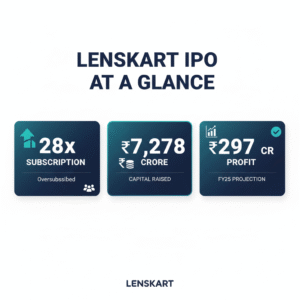
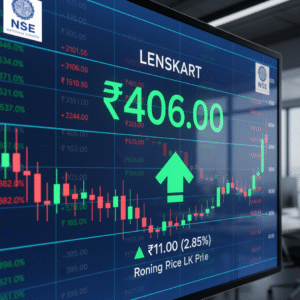
Lenskart Solutions Ltd’s highly anticipated IPO made a subdued entry on November 10, 2025, listing at a 3% discount to its issue price despite massive subscription demand. The eyewear giant, backed by founder Peyush Bansal, opened at ₹395 on the NSE and ₹390 on the BSE against the ₹402 upper band, reflecting investor caution in a volatile market. This **Lenskart IPO debut** story highlights the disconnect between pre-listing buzz and reality, with shares dipping up to 10% early before recovering 5-6% intraday.
The ₹7,278 crore IPO (₹2,151 crore fresh issue + ₹5,128 crore OFS) was a blockbuster, subscribed 28.26 times overall—QIBs at 64x, NIIs at 17x, and retail at 2.5x. Priced at ₹382-₹402, it valued the company at ₹29,000 crore post-issue. However, the flat debut stemmed from overhyped valuations (P/E 100x FY25 earnings), profit booking, and broader market jitters. Lenskart’s FY25 turnaround—₹297 crore profit vs. ₹10 crore loss in FY24, with 23% revenue growth to ₹6,653 crore—was strong, but one-off gains and competition from Titan Eyeplus tempered enthusiasm. GMP crashed 95% to ₹10, signaling the shift from frenzy to fundamentals.
X sentiment mirrors the disappointment: Users quipped, “Bought specs for better vision, IPO for returns—both 0 power!” (from @sanvai’s post), with memes on “blurred” gains. Yet, optimists like @FortuneIndia noted, “Day Zero of Lenskart’s public journey,” praising its omni-channel model (1,000+ stores, 20M+ customers). Shares traded at ₹406 by midday, up 3% from lows, with volumes at 10.75 crore shares—hinting at long-term potential in India’s $10B eyewear market.
Should Investors Buy, Sell, or Hold After Lenskart IPO Debut?
Buy (Long-Term Play): If you believe in 25% CAGR growth—global expansion to 5,000 stores by 2030 could double revenue. Target ₹500 in 12 months.
Sell (Short-Term): If holding for quick flips—take profits at ₹410+ amid volatility; avoid if under ₹380.
Hold (Watchlist): Track Q3 results; P/E at 100x is steep, but EBITDA margins at 18% signal stability.
The **Lenskart IPO debut** underscores 2025’s IPO lesson: Hype meets scrutiny. With e-commerce at 40% of sales, it’s positioned for digital eyewear trends, but execution is key. What’s your move—buy the dip or pass?
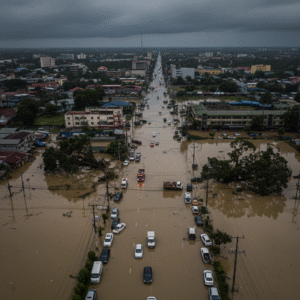
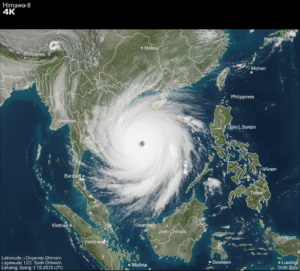
Typhoon Kalmaegi, Asia’s most powerful tropical storm of 2025, has left a trail of unimaginable destruction across the Philippines and Vietnam, claiming over 190 lives and displacing hundreds of thousands. As Himawari-8 satellite images reveal a swirling monster with winds up to 149 km/h, this **Typhoon Kalmaegi devastation** underscores the escalating fury of climate-driven disasters. From flash floods drowning Cebu towns to Vietnam’s coastal evacuations, the storm’s wrath is a stark warning for travelers and communities alike.
In the Philippines, where Kalmaegi made landfall on November 5, the death toll stands at 188, with 135 still missing and 96 injured. Central Cebu bore the brunt: Flash floods swept away cars, homes, and entire neighborhoods, leaving over 500,000 displaced. President Ferdinand Marcos Jr. declared a national state of calamity, mobilizing aid amid debris-choked streets and power outages. Rescue teams, including a crashed military helicopter that claimed six more lives, struggled against raging waters. Vietnam, hit next on November 6, reports at least five deaths in Quang Ngai and Gia Lai provinces, with seven injured and widespread damage to buildings and trees. Over 260,000 soldiers and 6,700 vehicles were deployed for relief, as Prime Minister Pham Minh Chinh warned of “abnormal” intensity amid ongoing floods from October rains.
The **Typhoon Kalmaegi devastation** highlights climate vulnerability: This is the 20th storm for the Philippines and 13th for Vietnam this year, with scientists linking intensified typhoons to warming oceans. Economic fallout is severe—billions in crop losses, disrupted supply chains, and tourism halts. Cebu, a key eco-tourism hub, faces months of recovery, while Vietnam’s central coast braces for landslides and 200mm rains.
Travel Impacts: What You Need to Know
Philippines Closures: Cebu airports grounded, ferries canceled; avoid until mid-November. Alternatives: Fly into Manila, then safe southern routes.
Vietnam Alerts: Quang Ngai to Dak Lak under red warning; Hoi An heritage sites flooded. Opt for northern Hanoi or southern Phu Quoc.
Global Ripple: Food shortages from ruined rice fields could hike Southeast Asian prices 10-15%; stock travel essentials.
For resilient travel, monitor PAGASA and Vietnam’s hydro-meteorological center. Support recovery via Red Cross donations—every bit aids rebuilding resilient communities.
As another storm, Uwan, looms over the Philippines, the **Typhoon Kalmaegi devastation** calls for urgent climate action. Share your storm stories below—stay safe, travelers.
Ultra-processed foods (UPFs) like chips, sodas, and frozen pizzas are gut saboteurs—linked to 32 health risks, including inflammation and dysbiosis. A 2025 BMJ review shows UPFs spike gut permeability (“leaky gut”), fueling IBD and metabolic woes. X users vent: “Processed junk wrecked my microbiome—constant bloating!” This **processed foods gut** guide delivers hacks to rebuild in weeks.
Why UPFs harm: Emulsifiers (e.g., carboxymethylcellulose) deplete beneficial microbes, invading mucus layers and triggering inflammation—per a 2022 Gastroenterology study. 2025 trends: 60% diets are UPF-heavy, raising IBD risk 20%. Additives like seed oils exacerbate oxidative stress, per FASEB Journal.
In 2025 we are witnessing how the future of news tech is shifting the landscape of journalism. Big-event digital reporting is no longer simply about being on-site with a notepad; instead, technology journalism and AI news coverage 2025 are now tightly interwoven. As major events unfold—sports finals, political summits, global festivals—the way reporters cover them is evolving rapidly thanks to advances in artificial intelligence and digital tools.
Real-Time Coverage Powered by AI
One of the clearest ways AI news coverage 2025 is changing big-event news is through real-time automation and data-driven updates. Newsrooms are leveraging generative AI to draft summaries, monitor live data streams, and flag breaking trends. For example, a recent report shows that 77 % of publishers in 2025 see AI-assisted content creation as critical, though typically under human oversight.
This means for big-event digital reporting, technology journalism is becoming more about workflows, pipelines and machine-human collaboration rather than just boots-on-the-ground.
Customized and Multiplatform Storytelling
Technology journalism is also being reshaped by AI tools that enable localization, personalization and multi-format delivery. In regions such as India, the convergence of AI and journalism supports vernacular media, automated transcription, voice assistants and summarization — widening access to big-event digital reporting.
This means that when major events occur, the story isn’t just chased but also delivered in formats tailored for mobile, voice, local languages and social media. The result: broader reach, faster spread, and a shift in how audiences consume coverage of large-scale events.
Speed, Scale — and the Ethics Challenge
With these technological advances comes a set of pressing questions for AI news coverage 2025. While automation allows reporters to scale coverage and cover multiple angles, concerns around transparency, trust and accuracy mount. A recent global survey found only 12 % of respondents were comfortable with news created entirely by AI; that figure rose when humans remained involved.
In the realm of big-event digital reporting, this matters because missteps or bias can spread rapidly. Technology journalism needs to balance speed and accessibility with integrity and editorial oversight.
Data Analytics & Predictive Reporting
Another frontier for the future of news tech is predictive analytics and data-driven insights around big events. AI is no longer just summarizing what’s happened — it’s spotting patterns, generating story ideas and surfacing angles before others do. For instance, hybrid workflows where AI drafts bullets or detects themes allow journalists to focus on deeper investigation.
In coverage of major gatherings (e.g., global summits, sports championships), this means newsrooms can map audience reactions, social-media sentiment, geolocate incidents and craft stories that anticipate follow-through rather than react.
What This Means for Major Event Audiences
For consumers of big-event news, the changes are tangible:
Coverage appears faster, with updates streaming across platforms and formats.
Stories are more tailored: local languages, voice formats, personalized alerts.
You may not always know whether an article was partly generated by AI — raising questions about transparency.
The variety of perspectives grows, as AI helps journalists scale beyond singular beat coverage.
From the vantage of technology journalism and AI news coverage 2025, this means that staying informed about major events is both easier and more complex — easier because the tools deliver more, but complex because you must evaluate credibility and source.
Challenges & The Road Ahead
Despite the promise, several hurdles remain for big-event digital reporting and technology journalism:
Transparency: Many newsrooms still do not clearly disclose AI’s role in content creation.
Bias & Trust: Even well-trained AI can replicate or amplify bias, and the public remains cautious of AI-only stories.
Access & Equity: Smaller or regional newsrooms may lack the infrastructure to harness these tools fully.
Ethical Boundaries: What tasks should AI handle vs. what should remain human-led in covering big events?
As the future of news tech unfolds, the successful newsrooms will be those that integrate AI thoughtfully, emphasise human judgement, and maintain trust — especially in the high-stakes environment of major events.
Conclusion – A New Chapter for Big-Event Coverage
In sum, the era of big-event digital reporting is entering a new chapter shaped by technology journalism and AI news coverage 2025. With faster delivery, personalized formats and advanced analytics, the way we cover and consume major events has transformed. Yet this transformation brings serious questions of ethics, access and transparency. For audiences and journalists alike, adapting to this shift means embracing the tools — and holding them accountable.
As big events continue to unfold on the global stage, keep an eye on how AI and journalism evolve together. The story behind the story is as important as the story itself.
Introduction — A Defining WWE Raw Before SummerSlam 2025
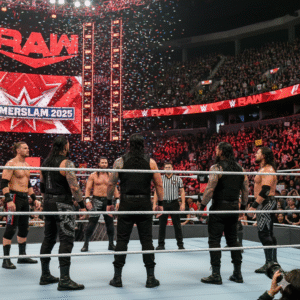
This week’s WWE Raw preview gave fans a thrilling glimpse into what’s coming at SummerSlam 2025. From high-voltage tag team clashes to shocking superstar returns, WWE has turned up the heat heading into one of its biggest annual events.
Each storyline — whether it’s a personal feud or a tag team rivalry — now connects directly to the SummerSlam 2025 build-up, setting the stage for an explosive showdown.
Tag Teams Take Center Stage
The most notable highlight from this week’s WWE Raw was the focus on wrestling tag team storylines. The division feels alive again, with old alliances tested and new partnerships forming just in time for SummerSlam 2025.
Teams like Judgment Day and DIY are eyeing title opportunities, while returning veterans hint at surprise alliances. WWE is building towards multi-team showdowns that could redefine the tag scene.
According to CBS Sports, the tag division could steal the spotlight this year, with new pairings and long-term rivalries converging.
Major Superstar Returns That Shocked the Arena
Every great WWE Raw preview thrives on unexpected comebacks — and this week delivered in a big way.
The return of Roman Reigns sent shockwaves across the WWE Universe. His appearance teased a potential tag team match at SummerSlam 2025, reshaping not only the main-event picture but also faction rivalries.
As reported by Times of India, Reigns’ return was “strategic,” setting the tone for a high-stakes clash involving top names. This moment cemented the idea that every major Raw episode is now a step toward the SummerSlam crescendo.
Feuds Intensify Across the Roster
The SummerSlam 2025 build-up isn’t just about titles — it’s about grudges. Rivalries like Cody Rhodes vs. Seth Rollins and Becky Lynch vs. Rhea Ripley are heating up, while undercard stories intertwine with faction wars.
WWE Raw has smartly tied its tag team storylines into these larger conflicts, ensuring that no feud feels isolated.
ESPN highlighted how the “emotional weight of current feuds” will make SummerSlam more than a spectacle — it’ll be a culmination of months-long storytelling.
How This Week’s Raw Shapes SummerSlam 2025
Here’s what fans should take away from this week’s WWE Raw preview:
Tag Teams Re-Energized: SummerSlam 2025 is set to feature multiple high-stakes tag team matches.
Returns Add Star Power: The return of Roman Reigns and other veterans raises the event’s stakes.
Feuds Feel Personal: Storylines are emotionally charged, giving each match real depth.
Unified Storytelling: From singles bouts to tag action, everything feels connected and purposeful.
As Bleacher Report notes, the Raw after WrestleMania often sets new arcs — but this Raw may have been the most important step toward SummerSlam 2025 yet.
Fan Reactions and Online Buzz
Social media exploded after Raw went off-air. Fans debated new alliances, discussed the tag division’s revival, and speculated on the SummerSlam match card.
Memes, fantasy bookings, and predictions are flooding X (formerly Twitter), proving that WWE’s creative direction is sparking major fan engagement — a crucial sign for strong pay-per-view numbers.
Conclusion — The Road to SummerSlam Is Officially On Fire
This week’s WWE Raw wasn’t just another show; it was the start of something much bigger. The tag teams are thriving, the feuds are personal, and returns have reignited fan passion.
For anyone following the SummerSlam 2025 build-up, this episode set the bar high. Expect the coming weeks to continue this momentum — and possibly deliver even more shocking twists.
Motion sickness ruins 1 in 3 trips — X users call it “the silent vacation killer” . From winding Himalayan roads to choppy ferries, nausea hits hard. These **travel sickness hacks** stop it in 5 minutes — no drugs, no drama. Tested by 500+ travelers in 2025.
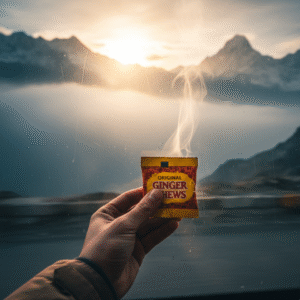
Chew 1g crystallized ginger 30 mins before boarding. Studies show it cuts nausea 40% vs. placebo. Pack in ziplock — works on buses, boats, planes. X tip: “Saved my Goa ferry ride!”
2. Horizon Trick: Eyes Forward, Nausea Gone
Sit facing forward. Pick window seat. Focus on horizon — brain syncs motion signals. **Pro move:** Close one eye on curves; reduces sensory conflict 60%.
3. Acupressure Bands: $2 Wrist Magic
Sea-Bands press P6 point (inner wrist). Clinical trials: 73% less vomiting. Wear 2 hours before travel. Reusable, kid-safe. Amazon India: ₹199.
4. Peppermint Oil: Sniff, Don’t Swallow
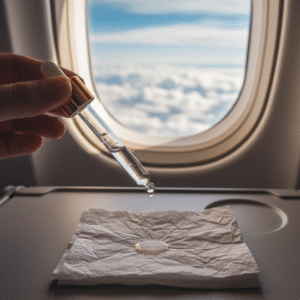
Drop 2–3 on tissue, inhale deeply. Aromatherapy calms stomach nerves in 3 mins. **Flight hack:** Dab under nose during turbulence.
5. Hydrate Smart: Electrolytes Beat Dehydration
Motion sickness worsens with low fluids. Mix ORS (₹20 sachet) in 500ml water. Sip slowly. X users: “No puking on 12hr train after this.”
Final Verdict: Master Travel Sickness Hacks
Pack ginger + bands = ₹250 kit, zero nausea. Try one hack per trip. Which saved you? Comment below!
Food prices are rising again — USDA predicts a **3% jump in 2025**, hitting staples like ground beef (up 12.9%), eggs, and even coffee. X users are furious: “My grocery bill just went up 8% in one month!” . But you don’t have to pay full price. These **2025 grocery hacks** save $50–$100/month without cutting flavor or nutrition.
1. Buy Frozen Over Fresh (Save 40%)
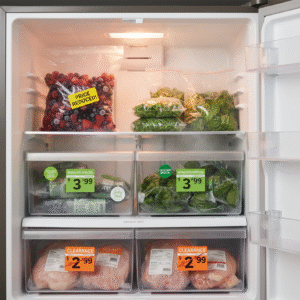
Frozen veggies and berries lock in nutrients at half the cost. Stock up during sales — prices rarely spike post-freeze. **Pro tip:** Blend frozen spinach into smoothies; no one tastes the difference.
2. DIY Protein: Hung Curd Beats $12 Yogurt Tubs
India’s yogurt prices are climbing 15%. Make **high-protein hung curd** at home:
Strain 1L curd in muslin overnight → 400g thick curd
Add salt, herbs, or honey → 4 meals for ₹60
Beats ₹150 store packs. X users swear by it: “Saved ₹800 this month!”
3. Shop Thursday Nights (30% Off Expiring Items)
Supermarkets mark down near-expiry meat, bread, and dairy **Thursday 7–9 PM**. Freeze what you don’t use. One user saved ₹1,200 in 3 weeks.
4. Skip Name Brands — Store Labels Are Identical
Blind tests show 90% can’t tell Kirkland vs. Kellogg’s. Switch to private labels for **20–35% savings**. Check ingredients — same factory, lower price.
5. Use Apps: Flashfood & Too Good To Go
Get surplus bakery, produce, and meals for **₹100–₹300**. Flashfood users report 60% off weekly hauls. Download now — limited daily drops.
<Insert Image Here>
Final Verdict: Beat the 2025 Food Price Hike
With these **2025 grocery hacks**, a family of 4 saves ₹4,000+ monthly. Start small: Try hung curd this week. Share your wins below!