Mahakumbh’s Environmental Challenges and Sustainable Solutions for the Future
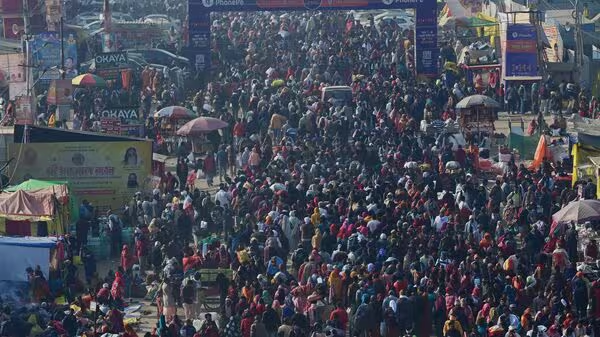
Mahakumbh Mela, one of the world’s largest spiritual gatherings, attracts millions to the sacred city of Prayagraj, India. While it’s a celebration of faith, culture, and unity, the event also poses significant environmental challenges. However, there’s been a growing focus on sustainability, aiming to mitigate the festival’s ecological footprint while preserving its spiritual essence for future generations.
Environmental Challenges at Mahakumbh
Massive Waste Generation
The congregation of millions leads to an incredible amount of waste, from plastic bottles to food packaging. Managing this waste to prevent river pollution and land contamination is a herculean task, especially when waste management infrastructure is stretched.
Pollution of the Ganga River
The Ganga, central to Mahakumbh’s rituals, faces severe pollution during the festival. Bathing by millions, along with the disposal of offerings and waste, directly impacts the river’s health, threatening aquatic life and the purity that pilgrims seek.
Energy and Resource Consumption
The temporary city built for Mahakumbh requires vast amounts of energy for lighting, water supply, and sanitation, often leading to an increase in carbon emissions and resource depletion.
Air and Soil Degradation
The construction of temporary shelters, coupled with the influx of people and vehicles, contributes to dust and air pollution. Additionally, soil compaction and degradation are concerns due to heavy foot traffic and makeshift structures.
Sustainable Solutions for the Future
Innovative Waste Management
- Source Segregation: Encouraging pilgrims to separate waste at the source, with clear bins for different types of waste, facilitates recycling and composting. Education plays a crucial role here, with volunteers and informational campaigns leading the charge.
- Biodegradable Alternatives: Moving away from plastics to biodegradable materials like jute or paper reduces long-term environmental impact. The “Ek Thaila, Ek Thali” campaign during Mahakumbh promotes this shift.
Protecting the Ganga
- Sewage Treatment Systems: Portable, eco-friendly toilets with on-site treatment ensure that sewage does not directly enter the Ganga. Some systems even recycle greywater for non-potable uses, showcasing water conservation.
- River Cleanliness Drives: Post-event, massive clean-ups are organized, with volunteers and local communities collecting and properly disposing of waste to restore the river’s cleanliness.
Energy Efficiency
- Solar Power Utilization: Solar panels are increasingly used to power lighting and small-scale operations within the festival area, significantly cutting down on fossil fuel consumption.
- Biogas from Waste: Organic waste is converted into biogas, providing an alternative energy source and reducing landfill waste.
Air and Soil Conservation
- Dust Control Measures: Sprinkling water on roads and using green barriers help control dust. Post-Mahakumbh, tree planting initiatives aim to rehabilitate soil and improve air quality.
- Promoting Sustainable Transport: Encouraging the use of bicycles, electric vehicles, and shuttle services reduces vehicle emissions and traffic congestion.
Community and Cultural Engagement
- Educational Workshops: Integrating environmental consciousness into spiritual teachings, workshops on sustainability are held, linking cultural practices with ecological responsibility.
- Local Involvement: Involving locals in planning and execution not only ensures solutions are culturally appropriate but also builds community ownership over environmental stewardship.
Conclusion
Mahakumbh Mela presents unique environmental challenges due to its scale and spiritual significance. However, through innovative, sustainable solutions, the festival is setting a global example of how large events can be managed responsibly. By embracing green practices, Mahakumbh not only protects its sacred rivers and lands but also educates and unites people in the pursuit of a more sustainable future. This approach ensures that the festival remains a beacon of spiritual enlightenment without compromising the planet’s health.