The Cost of Silence: Mangrove Loss and Florida’s Storm Surge Risk
Florida’s coastlines are defined by two major forces: stunning beauty and the constant threat of tropical storms. For years, the dense, resilient root systems of mangrove forests have stood as a powerful, natural defense. However, as development and environmental pressures lead to mangrove loss, the vulnerability of Florida’s coastal counties to catastrophic storm surge is rapidly escalating. Understanding this crucial link is essential for developing effective coastal resilience Florida strategies.
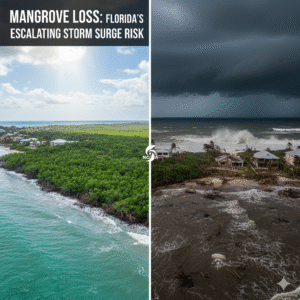
The Natural Barrier: Mangroves as Storm Surge Buffers
Mangroves are much more than just beautiful coastal trees; they are living, breathing seawalls. Their tangled, prop-root systems dramatically reduce the intensity of storm surge in several ways:
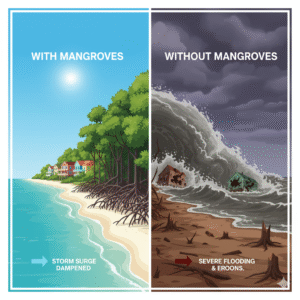
Wave Dampening: The complex root structure forces incoming waves to slow down and dissipate energy, reducing their height and force. Research shows that just one kilometer of healthy mangrove forest can reduce storm surge water levels by 5–50 centimeters.
Sediment Stabilization: The roots trap and hold sediment, preventing coastal erosion and building up land elevation, which is vital as sea levels rise.
Debris Trapping: During a hurricane, mangroves act as a filter, trapping large floating debris that could otherwise cause significant hurricane damage mitigation to homes and infrastructure.
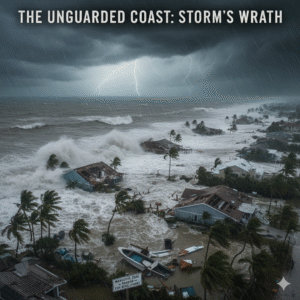
The economic value of this natural protection is staggering. Studies following major hurricanes like Irma (2017) and Ian (2022) revealed that mangroves in counties like Collier and Lee averted billions of dollars in flood damages. Without this Florida environmental risk buffer, these coastal communities would face much higher property losses and insurance costs.
The Threat to Coastal Resilience Florida
Despite their proven value, mangrove loss continues across Florida. Urban development, poor water quality, and direct removal for clear views or waterfront access chip away at this vital ecosystem. The consequences for storm surge risk are direct and severe:
Increased Inundation: With mangroves gone, storm surge water penetrates further inland with greater speed and destructive force.
Erosion Acceleration: The removal of roots destabilizes the shoreline, accelerating erosion and undercutting structures built along the water’s edge.
Heightened Economic Risk: The rise in potential damage translates to higher economic risk for municipalities and property owners, straining recovery efforts and long-term coastal resilience Florida.
For coastal counties, the decision is clear: protecting and restoring mangrove forests is one of the most cost-effective forms of hurricane damage mitigation. It is a natural, sustainable solution that addresses the physical threat of storm surge while also supporting fisheries and sequestering carbon. Reversing the trend of mangrove loss is critical to securing Florida’s future against intensifying storms.
Further Reading & Embeds:
The Florida Gulf Coast is facing a serious and increasing risk this hurricane season: the threat of rapid intensification hurricanes that can develop with little warning and strike hard. Understanding the dynamics behind this risk is essential—not just for meteorologists but for every resident, business owner, and school administrator in the region.
What is Rapid Intensification?
Rapid intensification occurs when a tropical storm or hurricane’s sustained wind speed increases by at least 35 mph (about 56 km/h) within 24 hours. These events leave little time for preparation and can turn a seemingly moderate storm into a major catastrophe. For the Gulf Coast storm risk, this means communities may go from “we’re monitoring” to “we must evacuate” far more quickly than before.

Why the Gulf Coast Storm Risk is Rising?
Several key factors are converging to elevate the storm risk along Florida’s Gulf Coast:
Warm ocean waters: The Gulf has seen unusually high sea surface temperatures and deep-warm-water content this season. These conditions act like rocket fuel for hurricanes, making rapid intensification more likely.
Shallow shelf and subsurface heat: Researchers at University of South Florida found that a “pressure point” in the Gulf – where subsurface warm water accumulates because ocean currents fail to flush it out – may have contributed to the rapid strengthening of previous storms.
Climate change impacts: The trend of rapid intensification is becoming more common, and scientists link this to the warming climate which increases ocean heat content and moisture availability.
Less reaction time: When a storm intensifies this quickly, forecasting becomes more challenging and evacuation windows shrink. That means heightened vulnerability for the Gulf Coast.
What it Means for Florida Hurricane Prep
Given this heightened risk of rapid intensification, residents and officials along the Florida coast must rethink their preparation strategies:
Early preparation is critical: Don’t wait for an official evacuation order if a storm is tracking your way. Given how fast things can change, have your “go bag”, evacuation plan, and emergency contacts ready.
Know your zone and route: Being aware of local evacuation zones, safe shelters, and the fastest route inland or to higher ground will make a big difference in a fast-moving scenario.
Home and property readiness: Ensure your home is secured – windows, doors, roof, and drainage. Rapid intensification often brings intense winds and storm surge with minimal notice.
Stay informed with trusted sources: Use certified weather services and local emergency management alerts. With rapid intensification, things can evolve hour by hour.
Consider long-term resilience: For coastal communities, infrastructure upgrades, improved building codes, and community evacuation plans become even more important when storms can escalate quickly.
Why This is a Climate Change Hurricanes Issue?
Storms undergoing rapid intensification are increasingly tied to warming oceans and a changing climate.
These climate change hurricanes don’t just grow stronger—they grow stronger faster, leaving less room for human response.
For Florida, that means the gulf storm risk isn’t just about more frequent storms—it’s about more surprising, more dangerous storms.
Final Thoughts
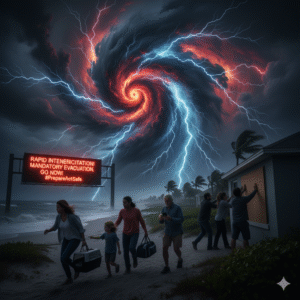
- The Gulf Coast storm risk has entered a new era. The days of “we’ll have a few days to prepare” are becoming less certain as rapid intensification hurricanes become more common. For those on the Florida Gulf Coast, being proactive, well-informed, and ready to act at short notice is no longer optional—it’s essential.
Prepare now, act quickly, and stay safe.

