What to Pack for Your Trip to the Maha Kumbh Mela 2025
202516+
Introduction The Maha Kumbh Mela 2025 is one of the largest spiritual gatherings in the world, and attending it requires preparation. With millions of people congregating at the Mela, it’s important to pack wisely to ensure a safe, comfortable, and fulfilling experience. Whether you are visiting for religious purposes, to witness the cultural extravaganza, or […]
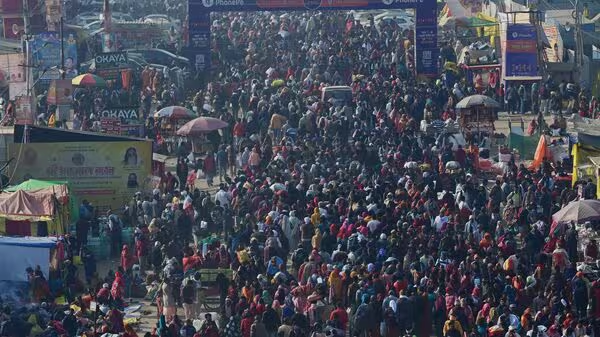
The Maha Kumbh Mela 2025 is one of the largest spiritual gatherings in the world, and attending it requires preparation. With millions of people congregating at the Mela, it’s important to pack wisely to ensure a safe, comfortable, and fulfilling experience. Whether you are visiting for religious purposes, to witness the cultural extravaganza, or to soak in the spiritual energy, proper packing can make your trip to the Maha Kumbh Mela 2025 smooth and enjoyable. Here’s your ultimate packing guide to help you prepare for the trip of a lifetime.
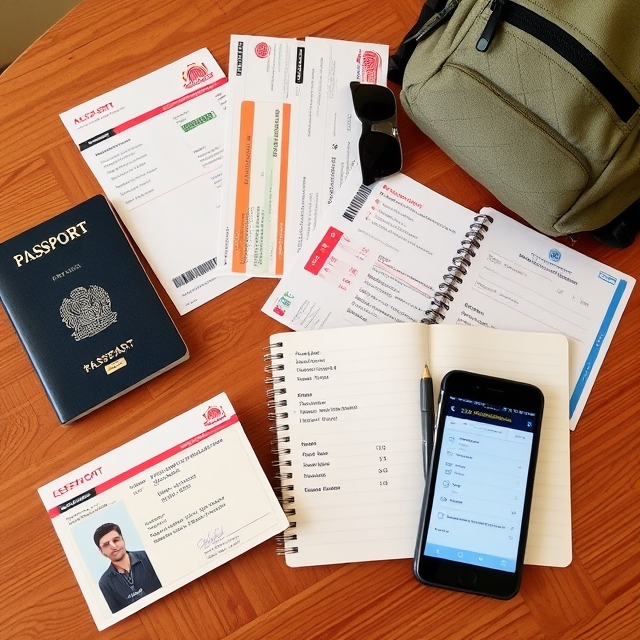
1. Essential Documents and Travel Items
Before you get into the specifics of your packing list, make sure you have your essential documents and travel items in order:
ID Proof: Carry a government-issued ID card like Aadhar card, passport, or driver’s license.
Travel Tickets: Keep your train, flight, or bus tickets ready.
Hotel Reservations: If you’re staying in a hotel or a guesthouse, make sure to have confirmation of your accommodation.
Emergency Contact Information: List down important emergency contacts, including your family members and local authorities.
2. Clothing for Different Weather Conditions
The weather in Prayagraj (where the Mela is generally held) can vary greatly, depending on the season and the time of your visit. Here’s a general guide to clothing:
Comfortable Footwear: Since you’ll likely walk a lot, sturdy, comfortable shoes are a must. Opt for sneakers or sandals that are easy to clean.
Layers for Warm and Cold Weather: If you’re visiting during the winter, pack warm clothes such as jackets, sweaters, and scarves. During the day, temperatures can rise, so a light jacket or T-shirt would be appropriate for the afternoon.
Traditional or Modest Wear: Many pilgrims wear traditional or modest clothing for the Mela. Women often wear sarees or long skirts, while men wear dhotis or kurta-pajamas. This attire is not mandatory but can help you blend in with the local culture.
Rain Gear: If you’re visiting during the rainy season, bring along a lightweight raincoat, poncho, or an umbrella to stay dry.
3. Personal Hygiene and Toiletries
The Maha Kumbh Mela 2025 attracts millions of people, and hygiene can be a challenge due to the large crowds and temporary facilities. Be sure to pack the following:
Hand Sanitizer and Wet Wipes: A must-have for maintaining hygiene while navigating the crowds.
Toiletries: Toothbrush, toothpaste, soap, shampoo, and other essential toiletries. It’s advisable to bring along biodegradable or travel-sized products.
Towel: A quick-drying towel can come in handy after your holy dip in the river.
Toilet Paper and Tissues: Not all public toilets may be fully equipped, so it’s a good idea to carry your own tissue paper.
4. Health and Safety Kit
Ensuring your health and safety is crucial at the Maha Kumbh Mela 2025, especially considering the large number of people attending. Here’s a health kit you should pack:
Personal Medications: Bring any prescription medications that you may need. It’s also wise to carry a basic first aid kit, including pain relievers, antiseptic cream, and band-aids.
Face Mask and Sanitizers: Even though the event is outdoors, a mask and hand sanitizers are necessary due to crowded conditions.
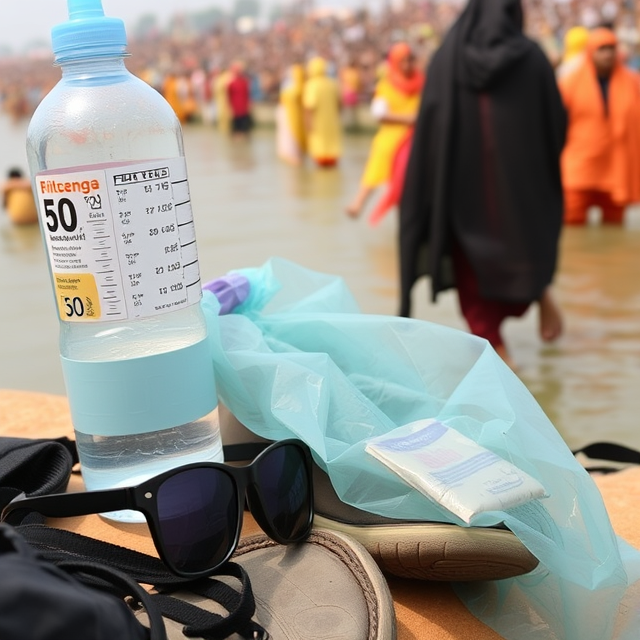
Water Bottle: Stay hydrated throughout the day by carrying a reusable water bottle. Make sure to refill it at clean water stations.
Sunscreen: Protect your skin from the harsh sun with a good sunscreen.
5. Religious and Spiritual Items
For many, the Maha Kumbh Mela 2025 is a deeply spiritual experience. Some essential spiritual items to pack include:
Prayer Beads or Mala: If you’re attending the Mela for spiritual reasons, carrying a mala or prayer beads to help you with your meditation or chanting can be a great way to stay connected with your spiritual practice.
Sacred Items: If you plan to take a dip in the river, you may want to bring along a small container to collect the holy water as a souvenir or for later use.
6. Technology and Gadgets
In today’s digital age, staying connected during your trip is important. Here’s what to pack:
Smartphone and Power Bank: Carry a fully charged smartphone with a power bank to ensure that you can stay connected, capture memories, and navigate the event.
Camera: If you’re passionate about photography, bring a camera to document the experience. Just ensure that you keep it safe, as crowds can be overwhelming.
Portable Charger: Charging stations may be scarce, so a portable charger is a lifesaver during the long days at the Mela.
7. Money and Essentials
While most facilities accept digital payments, carrying some cash is always a good idea:
Cash: Carry small denominations of cash for buying food, offering donations, or purchasing items from vendors.
Digital Payment Options: Ensure your phone is ready for digital payments via apps like Paytm, Google Pay, or others, as cashless transactions are widely accepted.
8. Bag and Travel Essentials
Finally, choose the right bag to carry all your essentials:
Backpack: A lightweight, comfortable backpack is ideal for carrying your belongings while keeping your hands free to manage other items.
Ziplock Bags: For storing any wet or dirty clothes.
Travel Locks: Keep your bag secure, especially when navigating the crowd.
Conclusion
Packing for the Maha Kumbh Mela 2025 is an essential step in ensuring a smooth and memorable experience. With proper preparation, you can navigate the crowds, maintain your well-being, and embrace the spiritual energy of the event. Whether you’re attending for religious reasons, cultural exploration, or simply to witness the grandeur of one of the world’s largest gatherings, packing the right items is key to enjoying your trip.
The Maha Kumbh Mela 2025 is one of the most significant religious gatherings in the world, drawing millions of devotees, tourists, and spiritual seekers. Its scale and impact extend far beyond the religious sphere, affecting local communities and the economy of the host cities. In this blog, we will explore the profound impact of Kumbh Mela on the local communities and the economy, shedding light on the various ways it transforms the region and contributes to its growth.
Economic Impact on the Host City
One of the most noticeable impacts of the Maha Kumbh Mela 2025 is its economic contribution to the host city, typically cities like Prayagraj, Haridwar, Ujjain, or Nashik. The influx of millions of pilgrims and tourists during the event stimulates several sectors, such as:
Hospitality: Hotels, guesthouses, and temporary tents experience a surge in bookings. Local businesses catering to food, transportation, and entertainment also see a significant rise in demand.
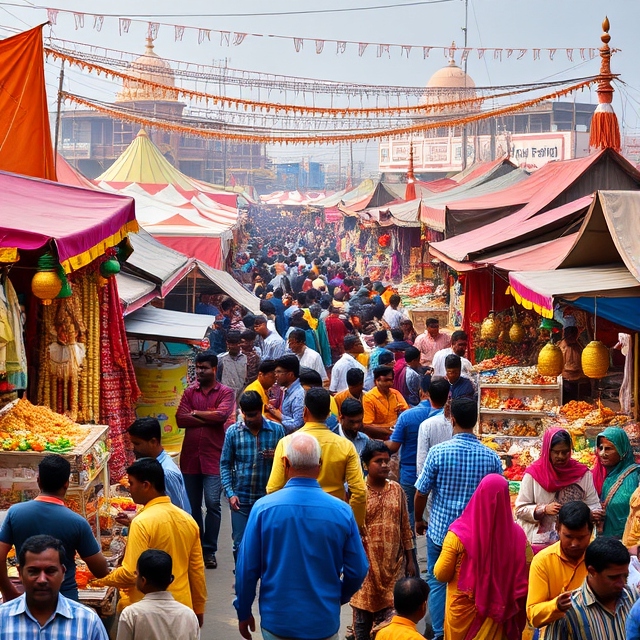
Retail and Vendors: Street vendors selling religious paraphernalia, clothes, and food thrive during the Kumbh Mela. Local artisans and manufacturers benefit from the increased demand for their goods.
Transport and Infrastructure: The large-scale transportation requirements, including buses, trains, and taxis, create employment opportunities. Construction and upgrading of infrastructure like roads, bridges, and public facilities are essential to accommodate the crowds, which further boosts the economy.
Overall, the Maha Kumbh Mela injects millions of rupees into the local economy, benefiting not only large businesses but also small-scale vendors and entrepreneurs.
Employment Opportunities and Skill Development
The Maha Kumbh Mela 2025 creates short-term and long-term employment opportunities for local residents. These jobs span across various sectors:
Event Management and Logistics: Organizing the Mela requires coordination in transportation, security, crowd control, and more. Local people are employed to manage these operations.
Tourism and Hospitality Jobs: With millions of visitors coming in, there’s an increase in demand for tour guides, hoteliers, restaurant staff, and taxi drivers.
Skilled Labor: Temporary workers are needed for setting up infrastructure like temporary toilets, stalls, and stages. Many locals take up these opportunities, acquiring skills that benefit them long after the Mela is over.
The Maha Kumbh Mela 2025 thus serves as a massive job creator, providing a temporary boost to employment and helping people build skills that can translate into longer-term career opportunities.
Social and Cultural Impact on Local Communities
While the economic impact is significant, the Maha Kumbh Mela 2025 also brings about profound social and cultural changes in the local communities.
Cultural Exchange: The gathering attracts people from different states, regions, and even countries, leading to a cultural exchange. The local communities get the opportunity to interact with people from diverse backgrounds, fostering mutual understanding and respect.
Revival of Traditional Arts: Many local artisans and performers participate in the Mela, showcasing traditional crafts, music, and dance. This helps preserve and promote the local cultural heritage, offering a platform for artists to reach a global audience.
Increased Awareness: Local communities gain exposure to global religious practices and spiritual beliefs, leading to greater awareness about different traditions and practices. This fosters an atmosphere of unity and peace, as the Kumbh Mela is a symbol of harmony and spiritual growth.
Challenges Faced by Local Communities
While the Maha Kumbh Mela 2025 brings a host of benefits, it also presents challenges to the local communities:
Crowd Management: Managing millions of people can put a strain on local resources and infrastructure. Issues such as overcrowding, pollution, and waste management require careful planning and execution.
Pressure on Local Resources: The sudden influx of people during the Mela puts pressure on the local water supply, electricity, healthcare, and other essential services. These challenges need to be addressed to ensure that the needs of both locals and visitors are met.
Temporary Disruptions: While the economic boost is significant, the temporary nature of the event means that some local businesses face difficulties in the post-Mela period when things return to normal.
Long-Term Impact and Legacy
In the long run, the Maha Kumbh Mela 2025 helps improve the region’s infrastructure and services. Many of the improvements made for the event—roads, healthcare, and sanitation facilities—benefit the local population even after the Mela has ended. Additionally, the international attention garnered by the event puts the host city on the map, leading to long-term tourism opportunities and the possibility of further economic development.
Conclusion
The Maha Kumbh Mela 2025 holds enormous significance for the local communities and the economy of the host cities. It’s not just a religious event but a multi-dimensional experience that brings economic prosperity, social integration, and cultural revival. While challenges persist, the Mela has the power to leave a lasting legacy in the host cities, making them stronger, more connected, and more prepared for future growth.
The Maha Kumbh Mela 2025 is not just an event; it is a spiritual phenomenon that has evolved over centuries. Originating as a small religious gathering, it has grown into one of the world’s largest and most significant festivals. This blog delves into the fascinating evolution of the Kumbh Mela, tracing its journey from ancient rituals to its modern-day grandeur.
The Ancient Origins of Kumbh Mela
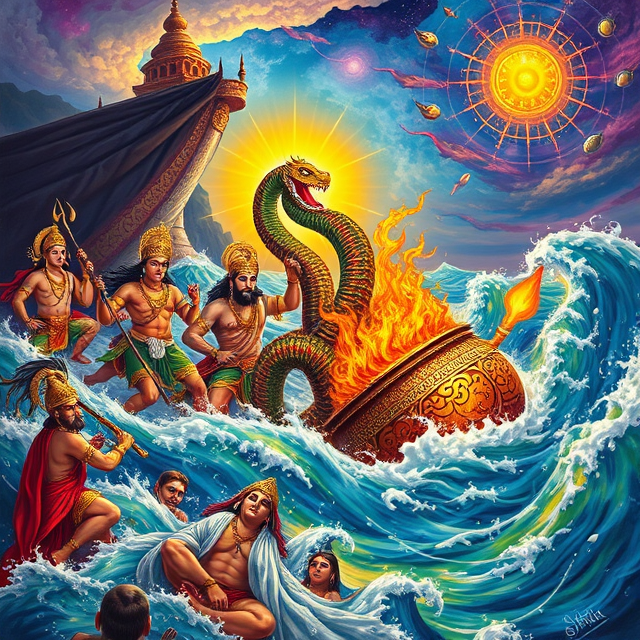
The roots of Kumbh Mela trace back to the ancient Vedic period. The earliest references to the Kumbh Mela can be found in the Puranas, where it is mentioned as a gathering to celebrate the victory of the gods over demons. According to Hindu mythology, after the churning of the ocean (Samudra Manthan), a pot containing nectar of immortality, the “Kumbh,” was spilled across four sacred places—Prayagraj, Haridwar, Ujjain, and Nashik—where the Mela is held today.
In these early times, the festival was a small-scale gathering where devotees came together to take part in sacred bathing rituals and seek divine blessings. These gatherings were not as grand as today’s Kumbh Mela, but the spiritual and cultural significance remained as deep as it is now.
The Rise of Kumbh Mela as a Major Religious Event
Over the centuries, the Kumbh Mela expanded both in size and significance. By the 8th century, the Mela began to take shape as an organized event, and it became a key event in the spiritual calendar of India. The festival attracted not only local devotees but also pilgrims from distant parts of India and beyond.
During the reign of the Mughal Empire, Kumbh Mela saw significant transformations in its scale, with increased infrastructure to accommodate the growing number of attendees. Temples, bathing ghats, and roads were built to manage the influx of people, turning the Mela into a more structured and organized event.
The Role of Akharas and Sadhus
The Kumbh Mela has always been a hub for spiritual leaders, including ascetics and sadhus. In the early days, groups of sadhus formed akharas (spiritual organizations) to practice their spiritual discipline and guide the masses. These akharas played a pivotal role in shaping the Mela, as they were central to the ritualistic bathing and other ceremonies.
The akharas’ role has evolved over time, with each of them now having a distinct presence during the Maha Kumbh Mela 2025. Today, these akharas are still central to the event, with their followers participating in the iconic Shahi Snan and other rituals, symbolizing the historical continuity of the Mela’s spiritual importance.
The Evolution of Rituals and Cultural Practices
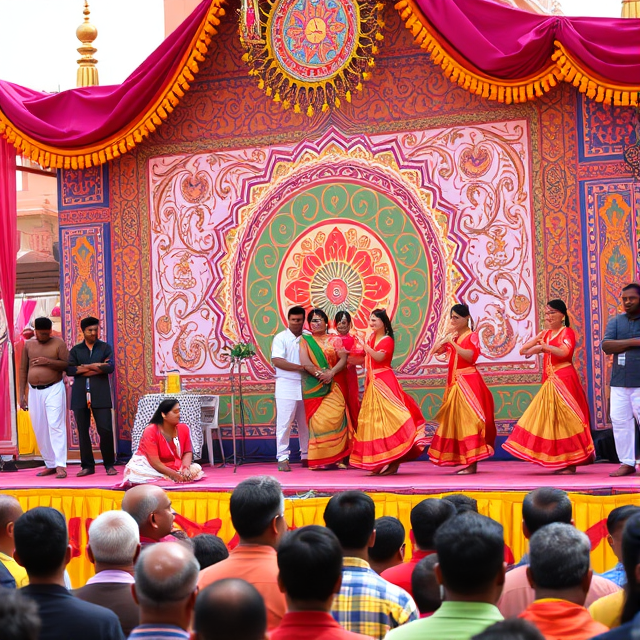
Over time, the rituals of the Maha Kumbh Mela 2025 have also evolved. The most iconic ritual—bathing in the holy rivers—has remained a constant, but modern practices such as ceremonial processions, the Shahi Snan, and even cultural performances have been integrated into the festival. The evolution of the rituals also reflects the changes in society. Today, Kumbh Mela is not just about religious practices but also showcases Indian culture through dance, music, and theater.
The Modern-Day Kumbh Mela: A Global Spectacle
In the modern era, the Maha Kumbh Mela 2025 has become a global phenomenon. Thanks to modern technology, the event is now broadcast worldwide, allowing people from all corners of the globe to experience it virtually. Additionally, the Mela has attracted tourists, scholars, and cultural enthusiasts who come to witness the unique blend of tradition and modernity.
The infrastructure surrounding the Kumbh Mela has also undergone significant improvements. Roads, transportation systems, and medical facilities have been upgraded to handle millions of visitors. The presence of international organizations and media has transformed the Kumbh into a global event that goes beyond its religious significance.
Environmental and Social Impact
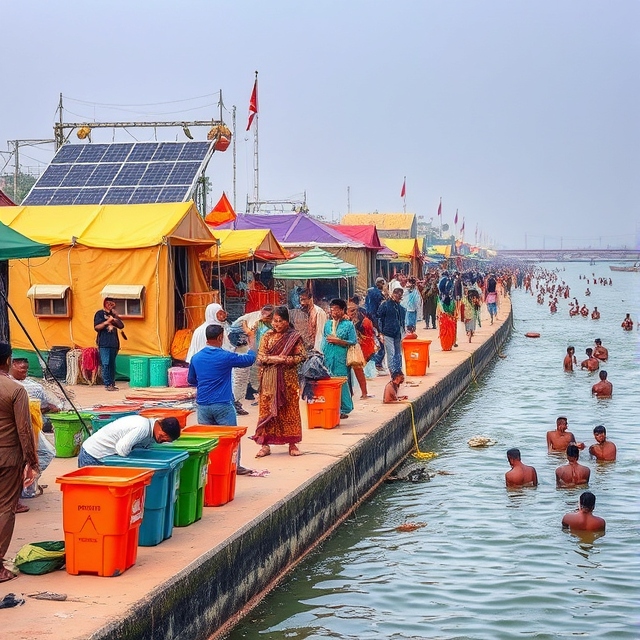
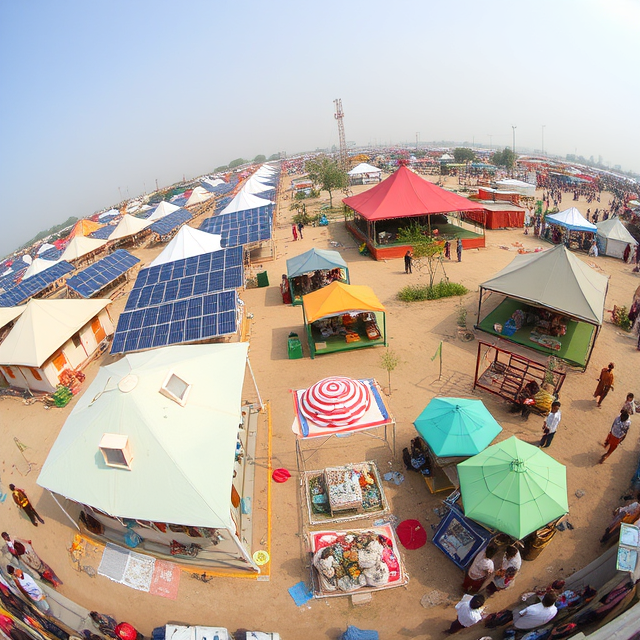
In recent years, there has been a growing awareness about the environmental impact of the Maha Kumbh Mela 2025. Efforts to reduce waste, promote sustainable practices, and ensure that the sacred rivers are protected have become central to the festival’s planning. Eco-friendly initiatives like solar power, waste management systems, and water conservation measures are now part of the event’s infrastructure.
Socially, the Kumbh Mela has become a platform for dialogue on various issues such as social justice, health, and women’s rights. With an increasing number of people participating from different parts of the world, the festival has come to symbolize unity in diversity.
Conclusion
From its humble beginnings as a mythological event to its transformation into a modern-day global spectacle, the Maha Kumbh Mela 2025 represents a unique blend of tradition, spirituality, and cultural evolution. As we move forward, the Mela continues to evolve, keeping its ancient traditions alive while adapting to the needs of the present. The Maha Kumbh Mela 2025 will undoubtedly remain a timeless celebration of faith, unity, and culture for generations to come.
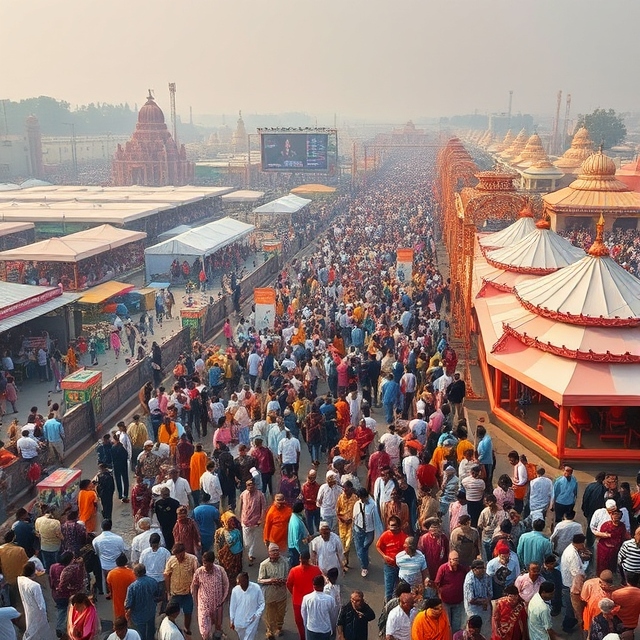
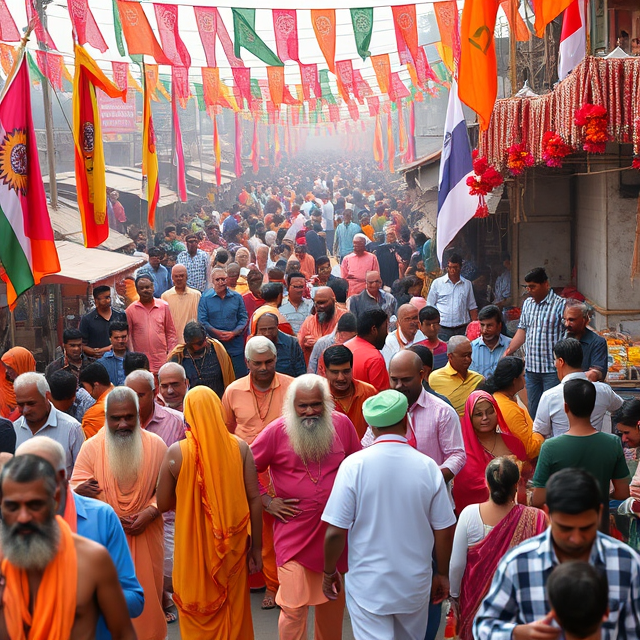
The Maha Kumbh Mela 2025 is a colossal event that attracts millions of people from around the world, making it one of the largest religious gatherings on the planet. With such a massive crowd, navigating the event can be overwhelming. However, with the right preparation and survival strategies, you can ensure a safe, comfortable, and enriching experience. This blog offers essential tips for handling the crowds at the Kumbh Mela and making the most of your visit.
1. Plan Your Visit in Advance
The first step to successfully navigating the Kumbh Mela crowds is planning. Familiarize yourself with the event schedule, including dates for Shahi Snan (royal baths) and other significant rituals. Knowing the best time to visit and avoiding peak bathing days can help you manage your time effectively and minimize your exposure to the largest crowds.
2. Wear Comfortable Clothing and Footwear
With hours of walking and standing, comfortable clothing and footwear are crucial. Opt for loose, breathable clothes that can keep you cool throughout the day. Sturdy, closed-toed shoes or sandals are best for walking long distances and navigating the muddy paths, especially near the riverbanks.
3. Stay Hydrated and Carry Snacks
During the Maha Kumbh Mela 2025, you’ll find yourself amidst large crowds, so it’s essential to stay hydrated and fueled. Carry a refillable water bottle and lightweight snacks like fruits, nuts, or energy bars to keep your energy levels up while you explore the Mela grounds.
4. Be Prepared for Extreme Weather
Weather at the Kumbh Mela can fluctuate dramatically, ranging from scorching heat to chilly nights. Pack sunscreen, hats, and sunglasses for protection against the sun, and don’t forget to bring a warm jacket or blanket for the evenings. An umbrella or rain poncho can also be useful if it rains unexpectedly.
5. Stay Close to Your Group
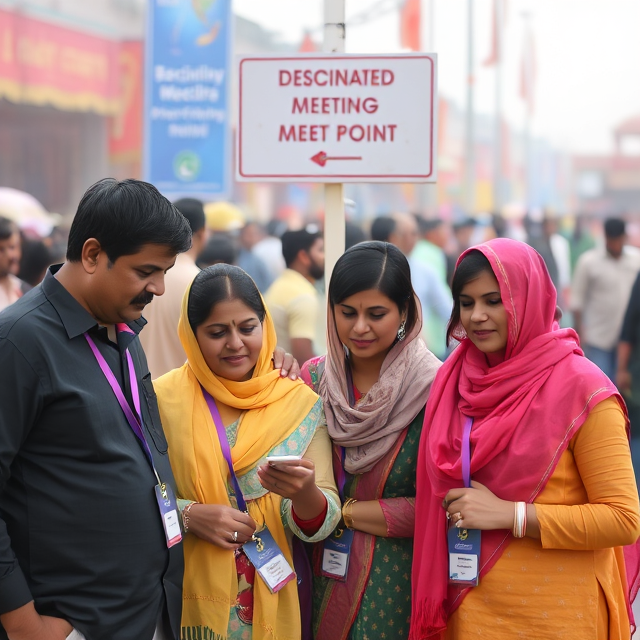
With millions of people in attendance, it’s easy to lose track of your group. Establish a meeting point in case you get separated, and make sure all members of your group have a contact number or a way to communicate. Wearing something distinctive or carrying a unique item can also help you locate each other more easily.
6. Be Mindful of Your Belongings
The crowds at the Maha Kumbh Mela 2025 can be overwhelming, so it’s essential to stay vigilant about your belongings. Carry only what you need, and keep valuable items like wallets, phones, and documents in a secure, hidden pouch or money belt. Always keep an eye on your possessions, especially in crowded areas.
7. Use Mobile Apps and Maps
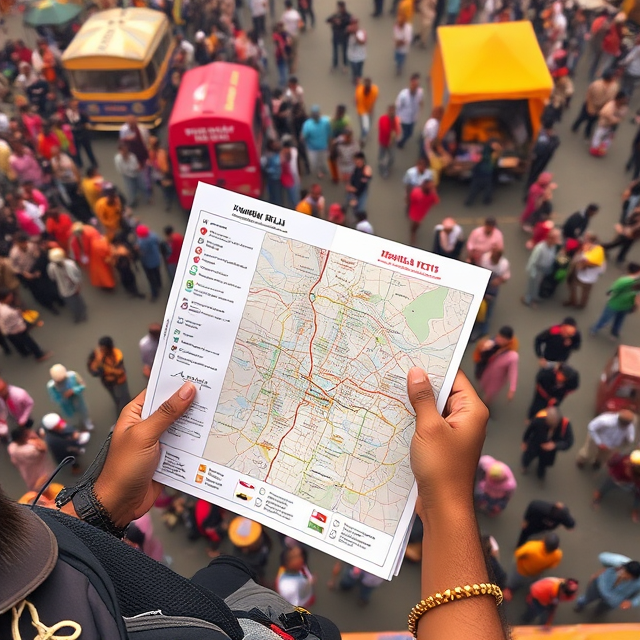
Navigating the vast grounds of the Kumbh Mela can be a challenge. Many apps and maps are available that can help you find your way, locate key spots like food stalls, bathrooms, medical assistance, and more. Ensure your phone is charged, and carry a portable charger to stay connected.
8. Respect Local Customs and Traditions
Respect the spiritual and cultural significance of the event. Follow the local customs, like removing your shoes before entering temples or sacred spaces, and be mindful of the rituals. The Kumbh Mela is a sacred gathering for millions of devotees, so showing respect will enhance your experience and help you blend into the environment.
9. Take Time for Reflection and Relaxation
Amidst the bustling crowds, take moments to reflect, meditate, or simply relax. The Kumbh Mela offers a spiritual atmosphere, and taking time to disconnect from the chaos can help you regain focus and clarity. Find a quiet spot or attend one of the many discourses to recharge both physically and mentally.
10. Follow Safety Guidelines
Safety is paramount at the Maha Kumbh Mela 2025. Listen to local authorities, follow crowd control instructions, and be cautious while participating in crowded rituals like the Shahi Snan. If you’re visiting the river for bathing, ensure you follow safety measures to avoid accidents, as the current can be strong.
Conclusion
Attending the Maha Kumbh Mela 2025 is an experience like no other, offering a blend of spirituality, culture, and community. By following these survival tips, you can navigate the crowds with ease and make the most of your visit. Prepare in advance, stay safe, and immerse yourself in the vibrant atmosphere of this extraordinary event.
The Maha Kumbh Mela 2025 is not just a religious congregation but a monumental cultural event that has earned global recognition. Designated as a UNESCO Intangible Cultural Heritage of Humanity, the Kumbh Mela stands as a testament to India’s rich traditions, spirituality, and communal harmony. This blog explores the unique aspects that make the Maha Kumbh Mela deserving of this prestigious status.
1. A Celebration of Faith and Devotion
The Maha Kumbh Mela is the largest religious gathering in the world, attracting millions of devotees who come to cleanse their sins in the sacred rivers. The collective faith and devotion demonstrated during the event are unparalleled, showcasing the profound spiritual connection people have with this ancient tradition.
2. A Tradition Rooted in Mythology
The origins of the Kumbh Mela are deeply intertwined with Indian mythology, particularly the legend of the Samudra Manthan (churning of the ocean). According to the tale, drops of the divine nectar (amrit) fell at four locations, including Prayagraj, giving these sites their spiritual significance.
3. Uniting Diversity
One of the most remarkable aspects of the Kumbh Mela is its ability to bring together people from diverse backgrounds. Pilgrims, sadhus, tourists, and scholars from across the globe converge at the event, fostering a sense of unity and cultural exchange.
4. Unique Cultural Practices
The Maha Kumbh Mela is a treasure trove of cultural expressions, including the vibrant processions of Akharas, spiritual discourses, and rituals like the Shahi Snan. These practices reflect India’s intangible cultural heritage and its emphasis on spiritual enrichment.
5. Scale and Organization
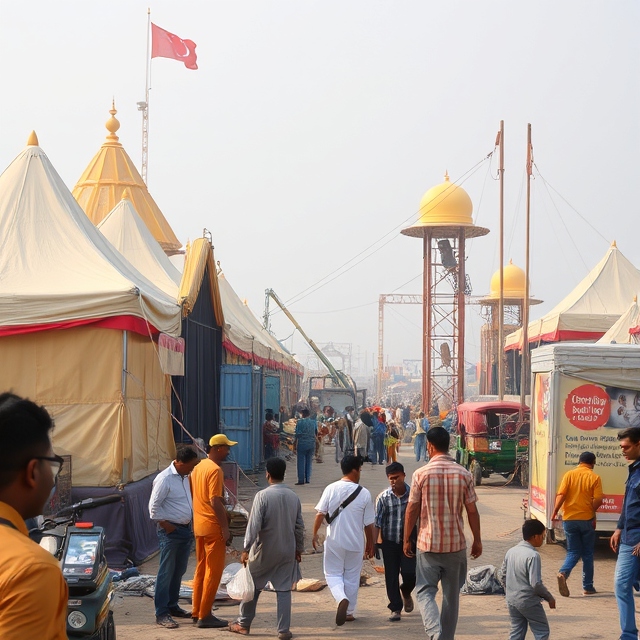
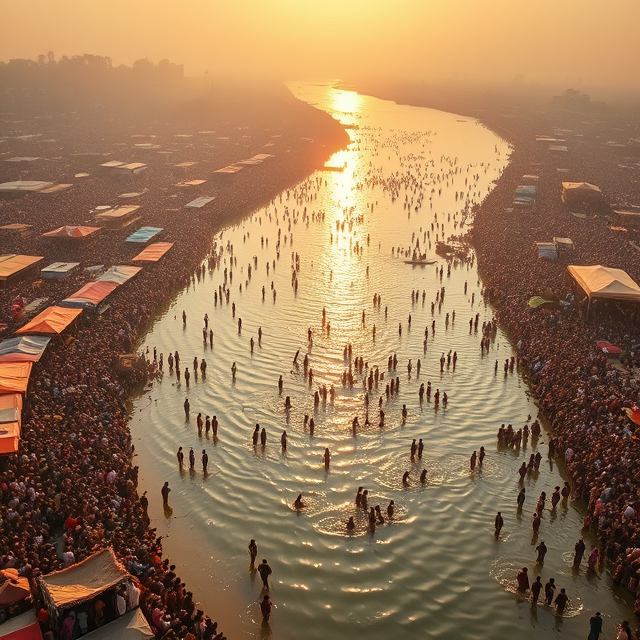
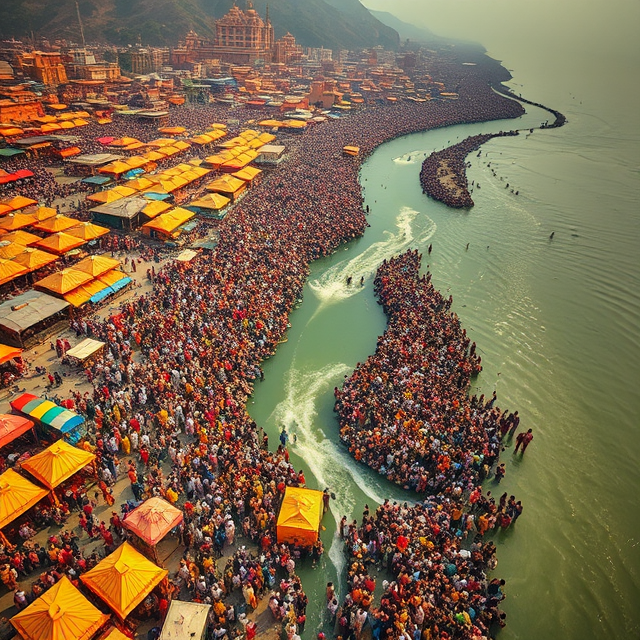
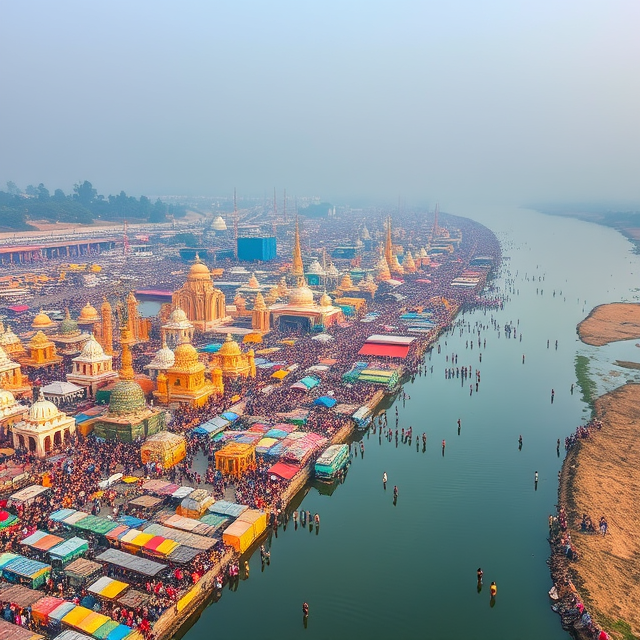
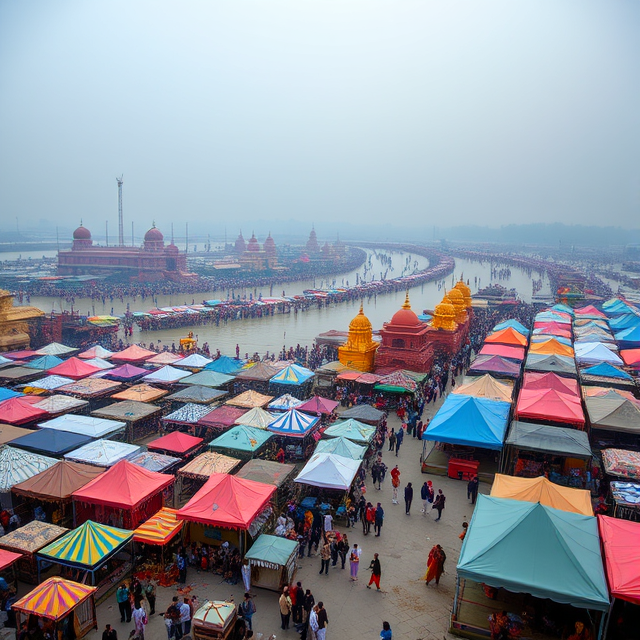
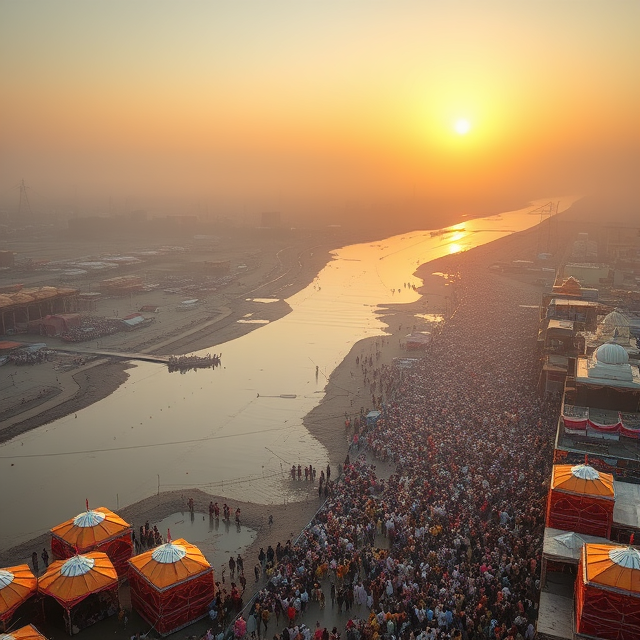
The sheer scale of the Maha Kumbh Mela, often referred to as the “world’s largest temporary city,” is a testament to India’s organizational capabilities. From setting up massive infrastructure to managing crowds of millions, the event demonstrates exceptional logistical planning, contributing to its global recognition.
6. Spiritual and Cultural Tourism
The Kumbh Mela plays a significant role in promoting spiritual and cultural tourism. The event draws not only pilgrims but also tourists and researchers interested in Indian culture, traditions, and spirituality, making it a global phenomenon.
7. Environmental and Sustainable Practices
Recent editions of the Kumbh Mela have emphasized sustainability and environmental consciousness. Efforts such as waste management, eco-friendly accommodations, and clean-up drives align with UNESCO’s values of preserving cultural heritage in harmony with nature.
8. Recognition as a Living Heritage
The UNESCO designation acknowledges the Kumbh Mela as a “living heritage” that adapts to modern times while preserving its core traditions. This blend of continuity and evolution makes the event a cultural masterpiece.
Conclusion
The Maha Kumbh Mela 2025 is much more than a religious gathering—it’s a living embodiment of India’s cultural and spiritual ethos. Its recognition as a UNESCO Intangible Cultural Heritage of Humanity underscores its significance on the global stage. By participating in or learning about the Kumbh Mela, one gains a deeper appreciation of the values, traditions, and unity that define this extraordinary event.
The Maha Kumbh Mela 2025 is not only a grand religious gathering but also a profound spiritual experience. It offers pilgrims and visitors a chance to connect with divinity, embrace ancient traditions, and immerse themselves in the sacred energy that resonates throughout the event. In this guide, we’ll explore how you can truly experience the spiritual energy of the Kumbh Mela and make the most of this once-in-a-lifetime event.
1. Participate in the Shahi Snan
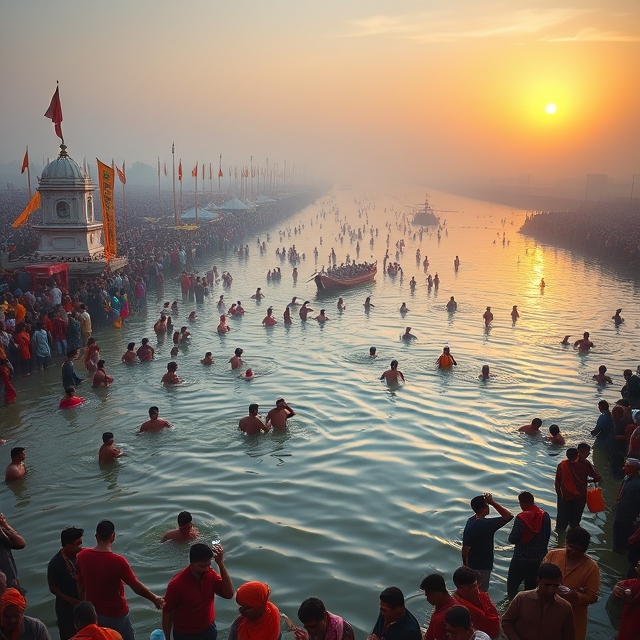
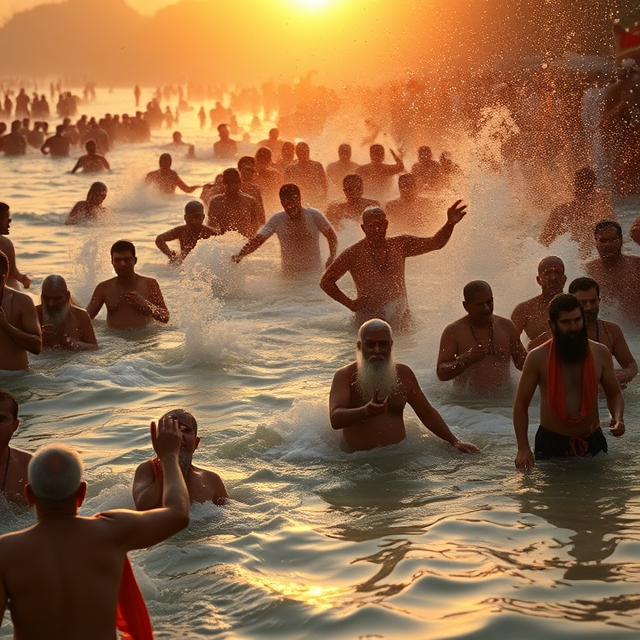
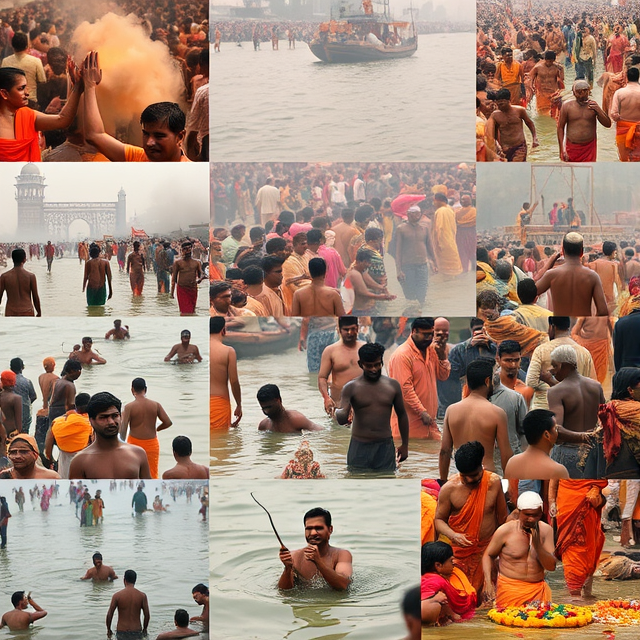
The Shahi Snan (Royal Bath) is the centerpiece of the Maha Kumbh Mela, where saints, sadhus, and millions of devotees bathe in the holy rivers to cleanse their sins and seek blessings. Witnessing and participating in this sacred ritual is an unparalleled spiritual experience.
Tips:
Plan your visit on the key bathing dates to experience the energy of the Shahi Snan.
Arrive early to secure a good spot and avoid the heavy crowds.
2. Attend Spiritual Discourses
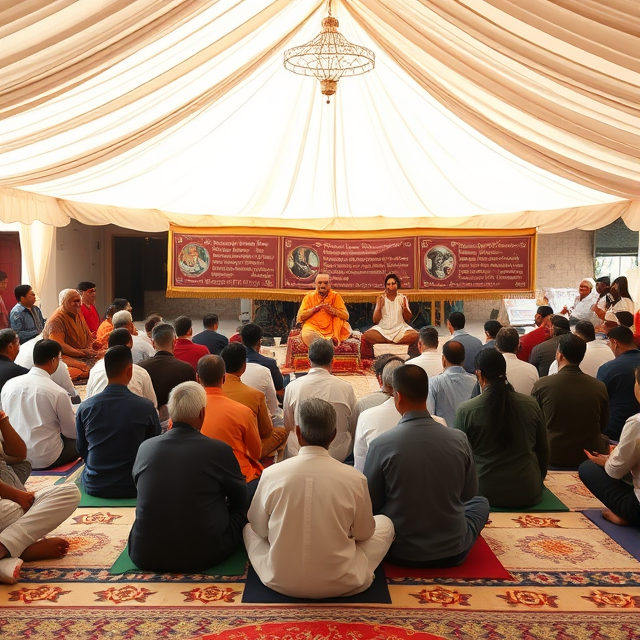
During the Kumbh Mela, renowned gurus and spiritual leaders deliver discourses on ancient scriptures, meditation, and life’s philosophies. These sessions provide invaluable insights into Indian spirituality.
Tips:
Check the event schedule for discourses by your preferred spiritual leaders.
Bring a notebook to jot down key learnings.
3. Visit the Akharas
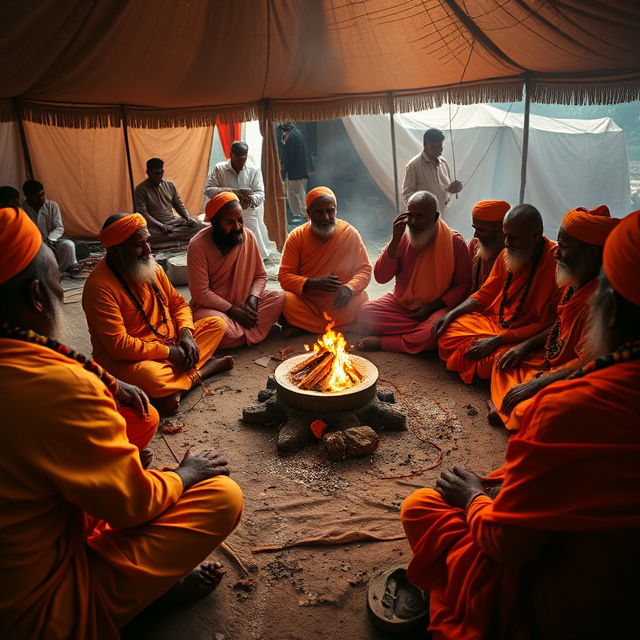
Akharas are spiritual institutions of monks and saints that play a significant role in the Kumbh Mela. Visiting these camps allows you to witness their rituals, prayers, and way of life, which are deeply rooted in ancient traditions.
Tips:
Interact respectfully with the saints and seek their blessings.
Learn about the history and significance of different Akharas.
4. Engage in Bhajans and Kirtans
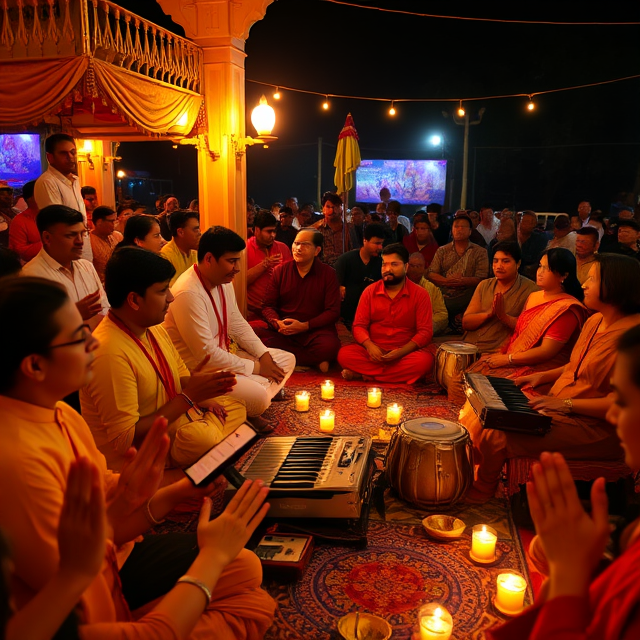
Bhajans (devotional songs) and kirtans (spiritual chants) are a vital part of the Kumbh Mela. Their melodious tunes and profound lyrics create an uplifting atmosphere that resonates with divine energy.
Tips:
Join evening bhajan sessions for a deeply immersive experience.
Allow yourself to lose yourself in the music and feel the spiritual connection.
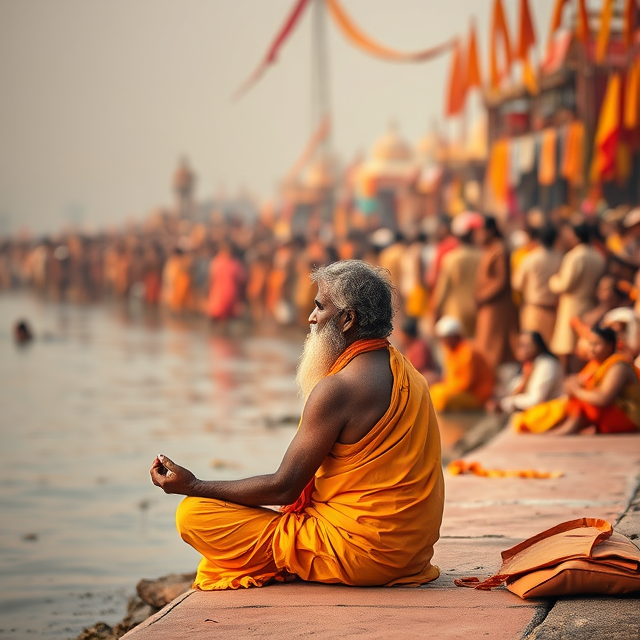
5. Meditate by the Rivers
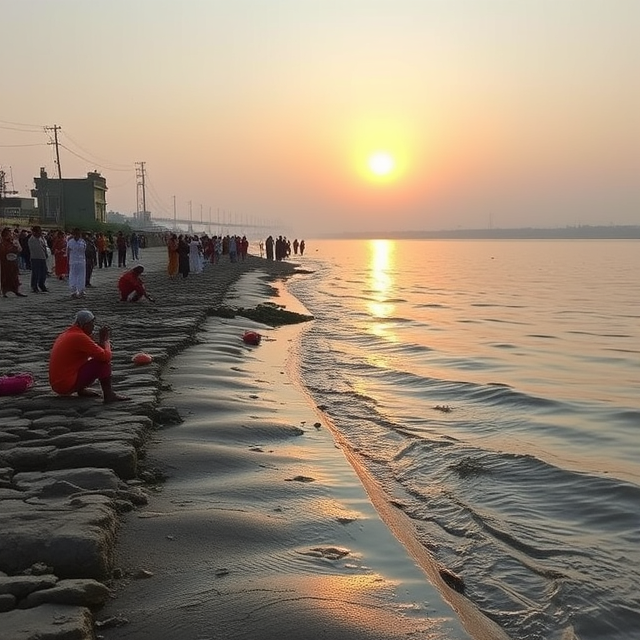
The confluence of the Ganga, Yamuna, and mythical Saraswati rivers at Prayagraj is considered a spiritually charged spot. Meditating by the riverbanks can help you connect with the serene energy of the environment.
Tips:
Find a quiet spot early in the morning for meditation.
Focus on your breath and let the natural surroundings enhance your practice.
6. Volunteer for Service (Seva)
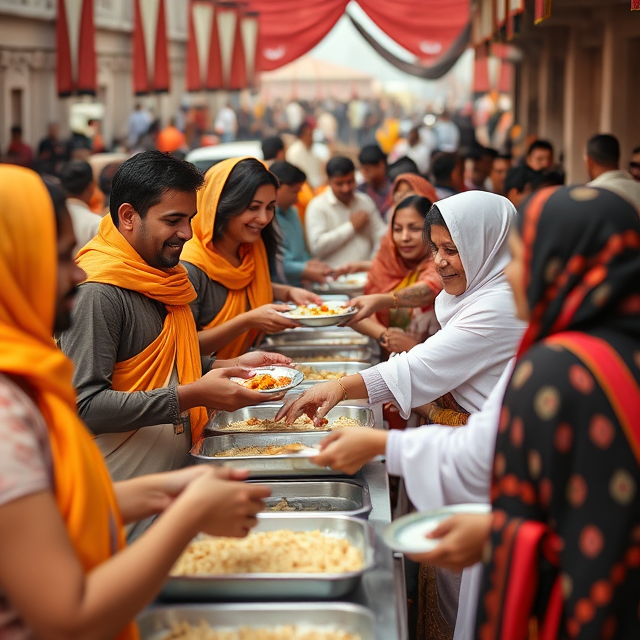
Engaging in seva, or selfless service, is a powerful way to experience the spiritual energy of the Kumbh Mela. Many organizations welcome volunteers to assist with crowd management, food distribution, or maintaining cleanliness.
Tips:
Reach out to NGOs or event organizers in advance to offer your services.
Approach seva with a humble and giving mindset.
7. Explore the Cultural Activities
The Maha Kumbh Mela is not just about spirituality; it’s a celebration of Indian culture. Dance performances, art exhibits, and cultural shows add to the vibrant energy of the event.
Tips:
Plan your day to include time for these cultural showcases.
Capture moments but stay present to absorb the energy around you.
8. Practice Gratitude and Reflection
The Kumbh Mela is a time to reflect on your spiritual journey and express gratitude for life’s blessings. Take moments to journal your thoughts and feelings during your visit.
Tips:
Carry a journal to record your experiences.
Reflect on the lessons learned and how they resonate with your life.
Conclusion
The Maha Kumbh Mela 2025 is more than a festival; it’s a transformative journey of the soul. From participating in sacred rituals to meditating by the rivers and engaging in selfless service, there are countless ways to experience the profound spiritual energy of this grand event. By embracing the traditions and connecting with the divine atmosphere, you can return from the Kumbh Mela with a renewed sense of peace and purpose.
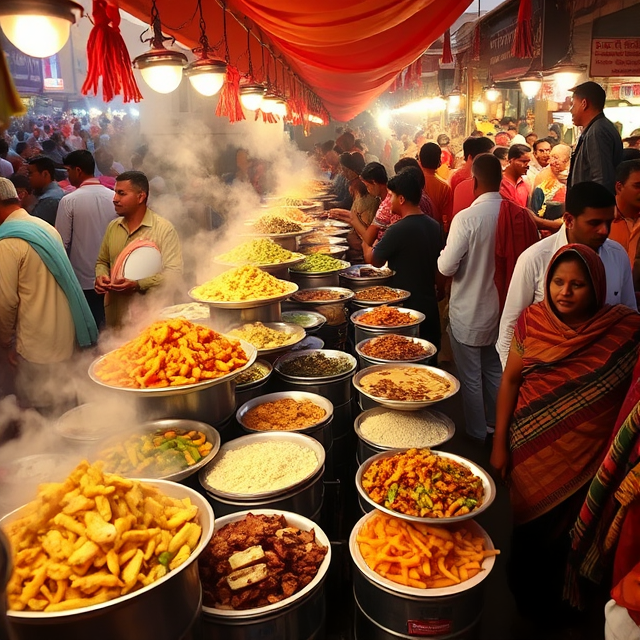
The Maha Kumbh Mela 2025 is not just a spiritual gathering but also an opportunity to explore the diverse and flavorful culinary traditions of India. As millions gather in Prayagraj for this grand event, the city becomes a hub for delectable local cuisine that reflects the rich cultural heritage of the region. From savory snacks to sweet indulgences, this guide will help you discover the must-try dishes during your Kumbh Mela trip.
Iconic Local Dishes to Savor
1. Chaat Variants
Prayagraj is famous for its spicy and tangy chaat varieties.
Aloo Tikki Chaat: Crispy potato patties served with chutneys and curd.
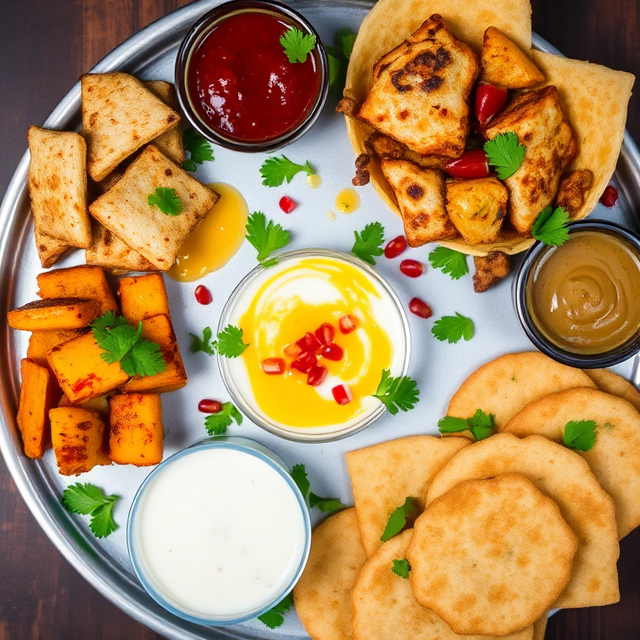
Papdi Chaat: Crunchy papdi topped with chutneys, curd, and pomegranate.
2. Kachori Sabzi
A traditional breakfast delight, kachori is a deep-fried bread filled with lentils or spices, paired with a flavorful potato curry. This dish is perfect to start your day at the Mela.
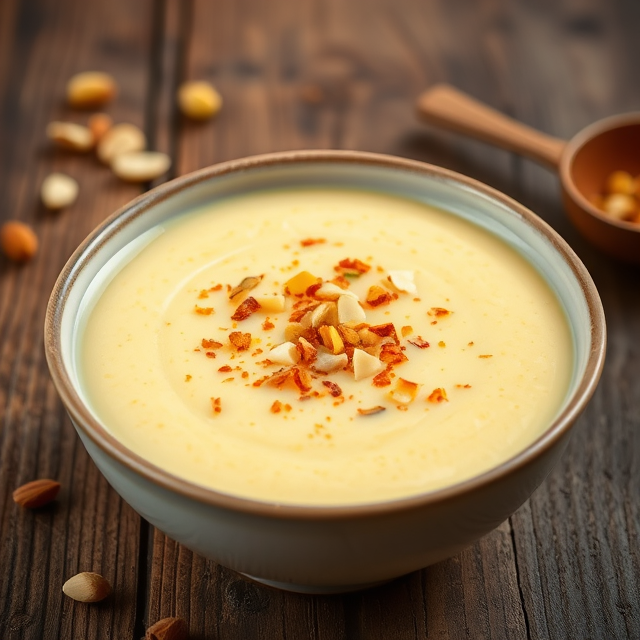
3. Malaiyo
A winter-special dessert, malaiyo is a frothy, saffron-infused milk delicacy that melts in your mouth. It is a must-try during the chilly mornings of the Maha Kumbh Mela.
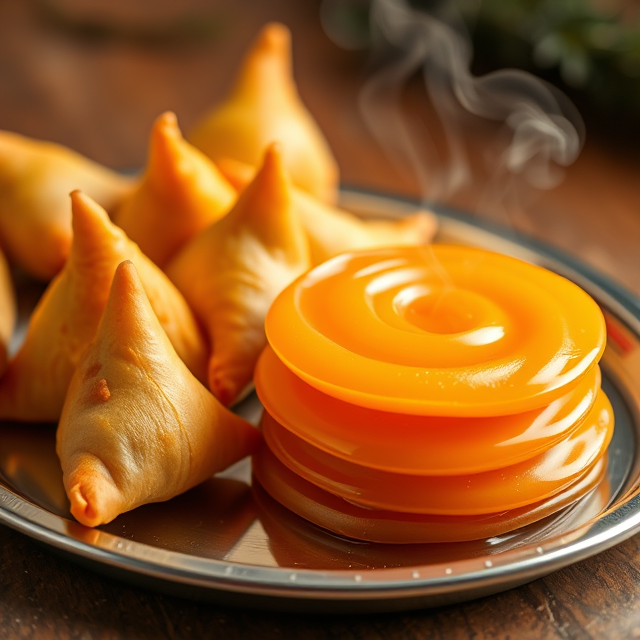
4. Samosa and Jalebi
The classic combination of crispy, spicy samosas and hot, syrupy jalebis is a crowd favorite. Available at almost every street vendor, these treats are a staple snack.
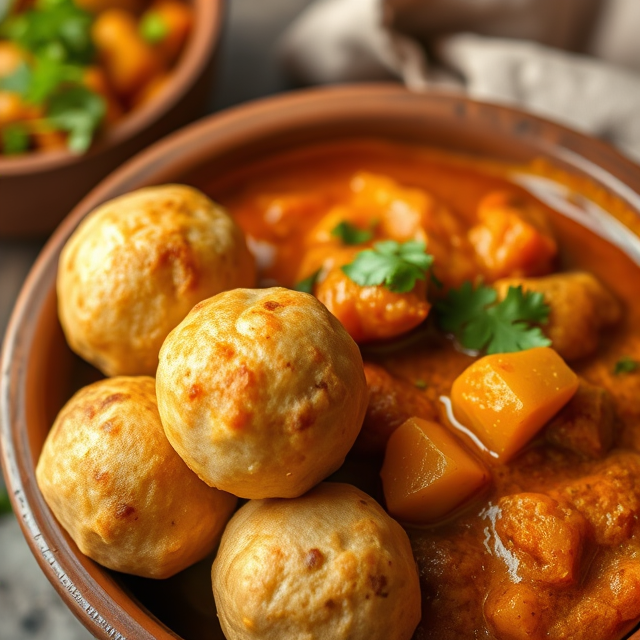
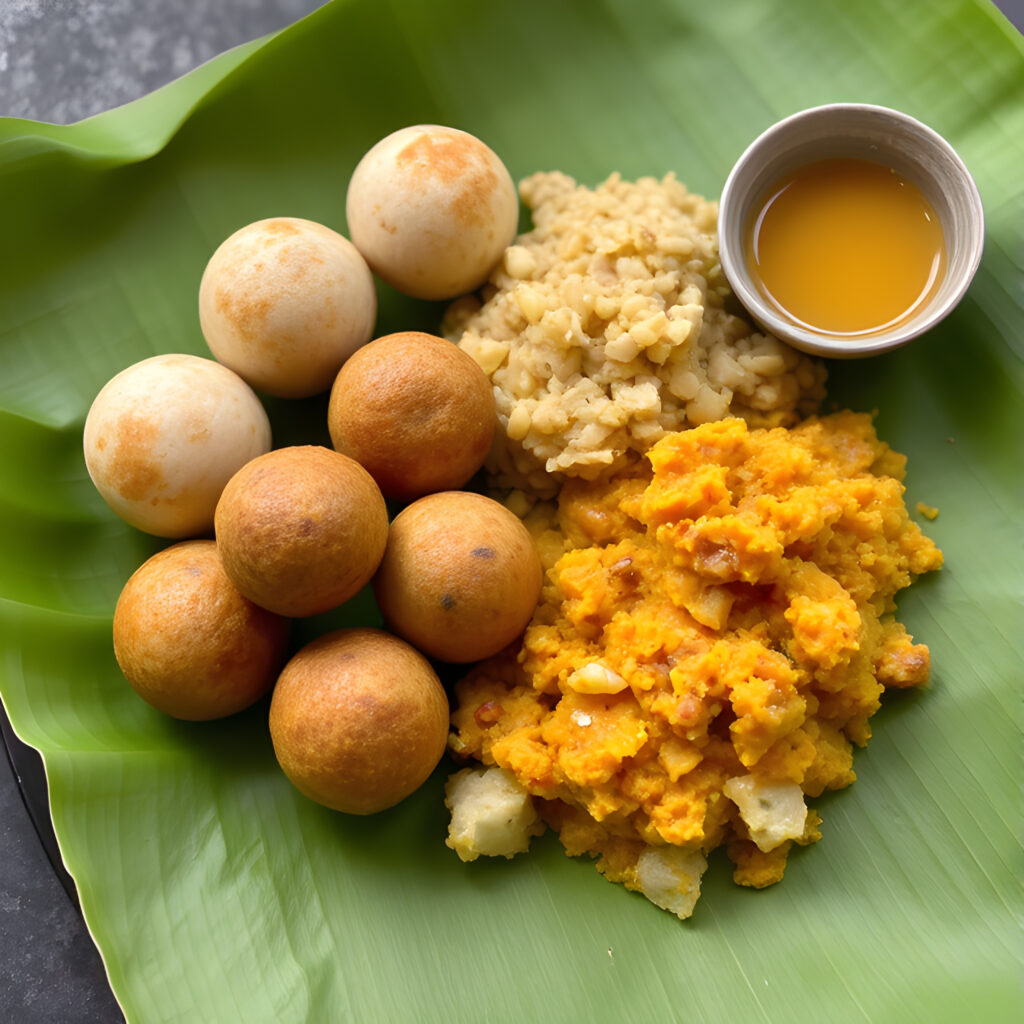
5. Baati Chokha
This rustic dish consists of baked wheat balls (baati) served with chokha, a mashed vegetable preparation. It’s hearty, flavorful, and reflects the simplicity of traditional cuisine.
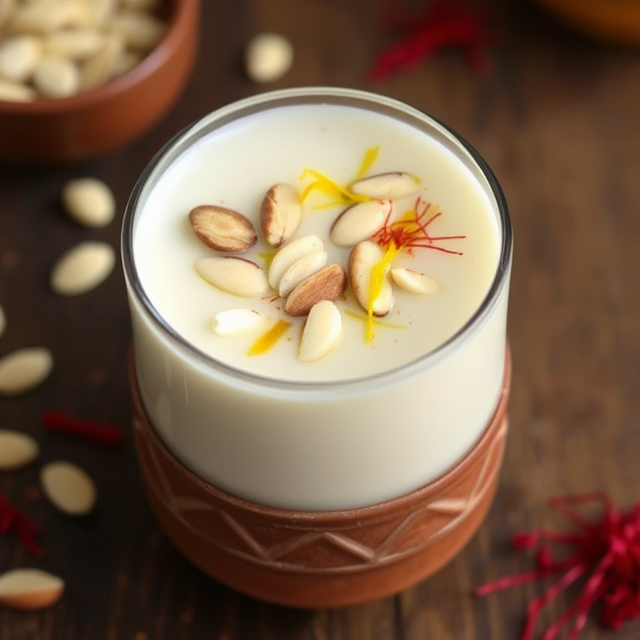
6. Thandai
A refreshing drink made from milk, nuts, and spices, thandai is a popular choice for staying energized while exploring the Kumbh Mela.
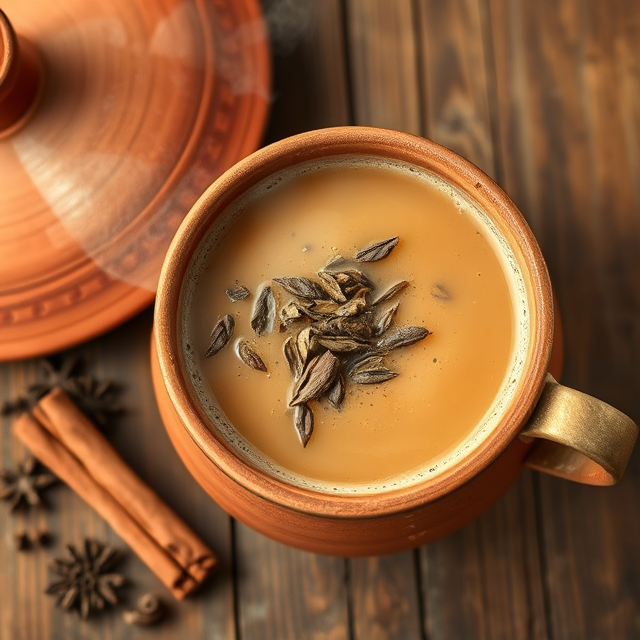
7. Kulhad Chai
Served in earthen cups, this aromatic tea offers a distinct earthy flavor and is perfect for sipping while enjoying the festivities.
Street Food Delights
1. Gol Gappe (Pani Puri)
Bursting with tangy tamarind water and spicy fillings, gol gappe are a hit among street food lovers.
2. Paneer Rolls
Soft paneer cubes wrapped in roti with spicy chutneys make for a quick and satisfying snack.
3. Dahi Bhalla
Soft lentil dumplings soaked in creamy curd and topped with chutneys make for a light yet delicious dish.
Sweet Treats
1. Gulab Jamun
These syrup-soaked sweet balls are a must-have for anyone with a sweet tooth.
2. Rasgulla
Soft, spongy, and soaked in sugar syrup, rasgullas are another delightful dessert to try.
3. Petha
Originating from nearby Agra, petha is a translucent sweet made from ash gourd, available in multiple flavors.
Tips for Enjoying Local Cuisine Safely
Choose Hygienic Vendors: Opt for stalls that maintain cleanliness to ensure a safe food experience.
Stay Hydrated: Drink plenty of water and try beverages like thandai or kulhad chai.
Portion Control: Sample smaller portions to enjoy a variety of dishes without overeating.
Avoid Overly Spicy Food: If you’re not used to spicy cuisine, start with milder options.
Conclusion
The Maha Kumbh Mela 2025 is more than a spiritual journey—it’s an opportunity to embark on a culinary adventure. By exploring the local flavors of Prayagraj, you’ll experience a unique blend of tradition, culture, and taste. Whether it’s the tangy chaat, comforting kachori sabzi, or the frothy sweetness of malaiyo, these dishes will make your trip unforgettable.
The Maha Kumbh Mela 2025 is not only a spiritual and cultural marvel but also an event that attracts millions of pilgrims from around the world. With such a large gathering, ensuring sustainable travel practices becomes vital to minimize the environmental impact of the event. This blog provides practical and eco-friendly tips to make your visit to the Maha Kumbh Mela both meaningful and sustainable.
Why Choose Sustainable Travel?
Sustainable travel is about minimizing your ecological footprint while supporting local communities and preserving cultural heritage. At an event as massive as the Maha Kumbh Mela, adopting green practices helps maintain cleanliness, reduces waste, and ensures that future generations can enjoy the sanctity of this religious gathering.
Sustainable Travel Tips for the Maha Kumbh Mela 2025
1. Use Public Transportation
Opt for trains, buses, or carpooling to reduce carbon emissions. Indian Railways offers special trains during the Kumbh Mela, making it convenient and eco-friendly.
2. Carry Reusable Essentials
Bring a reusable water bottle and refill it at designated stations.
Pack cloth bags for carrying essentials, avoiding plastic.
Use reusable utensils for meals to reduce single-use plastic waste.
3. Stay in Eco-Friendly Accommodations
Look for accommodations that follow sustainable practices, such as solar-powered camps or lodges using biodegradable materials. Supporting such initiatives encourages environmentally conscious tourism.
4. Follow Waste Management Practices
Dispose of waste responsibly in designated bins.
Segregate biodegradable and non-biodegradable waste.
Avoid littering, especially near sacred riverbanks.
5. Support Local Vendors
Buy food, crafts, and souvenirs from local sellers. This not only boosts the local economy but also reduces the environmental costs of transporting goods from afar.
6. Conserve Water and Energy
Be mindful of water usage during baths and rituals. Opt for accommodations that practice energy conservation, such as using LED lighting or renewable energy sources.
7. Avoid Overcrowded Areas
Plan your visit during less crowded times to reduce stress on local resources. Respect safety guidelines to ensure a smooth experience for all attendees.
8. Participate in Clean-Up Drives
Many NGOs and volunteer groups organize clean-up drives during the Kumbh Mela. Joining such initiatives is a great way to give back to the environment.
9. Educate Yourself and Others
Learn about the cultural and spiritual significance of the event while spreading awareness about sustainable practices. Share your eco-friendly travel tips with fellow pilgrims.
Benefits of Sustainable Practices at the Kumbh Mela
Preservation of Sacred Sites: Reduces pollution and maintains the sanctity of the rivers and temples.
Improved Visitor Experience: Clean and organized surroundings enhance the overall experience.
Long-Term Impact: Encourages organizers and attendees to adopt green practices for future events.
Conclusion
The Maha Kumbh Mela 2025 is a once-in-a-lifetime opportunity to immerse yourself in spirituality while making a positive impact on the environment. By following these sustainable travel tips, you can contribute to preserving the beauty and sanctity of the event for generations to come. Let’s make the Maha Kumbh Mela not just a spiritual journey but also a step towards eco-conscious living.
The Maha Kumbh Mela 2025 is not just a grand religious gathering but also a cultural and spiritual confluence. At its heart lies the revered Akharas, which play a pivotal role in shaping the essence of this holy event. These ancient monastic orders of saints and sages are custodians of spiritual traditions, and their presence is a key highlight of the Kumbh Mela. In this blog, we explore the history, significance, and contributions of Akharas in the Maha Kumbh Mela.
What Are Akharas?
Akharas are traditional organizations of ascetics and saints that trace their origins to ancient India. Each Akhara represents a distinct spiritual lineage and philosophy, fostering the pursuit of knowledge, meditation, and devotion.
Types of Akharas
The Akharas are broadly categorized into three groups:
Shaiva Akharas: Devoted to Lord Shiva.
Vaishnav Akharas: Devoted to Lord Vishnu.
Udasi Akharas: Representing a neutral philosophy.
The Historical Roots of Akharas
The origin of Akharas dates back to the 8th century when Adi Shankaracharya united ascetics under these orders to preserve and propagate Hindu dharma. Over the centuries, Akharas have evolved into centers of spiritual learning and discipline.
Akharas and Their Role in the Maha Kumbh Mela
The Maha Kumbh Mela is a stage where the Akharas come together to showcase their spiritual might. Here are the key roles they play:
1. Leading the Shahi Snan
The Shahi Snan, or royal bath, is the most significant ritual of the Kumbh Mela. Akharas lead this event, marking their dominance and spiritual importance. The grand procession of saints, adorned with ornaments and chanting sacred hymns, is a mesmerizing sight.
2. Spiritual Guidance
Akharas act as spiritual guides for devotees. They offer teachings, discourses, and blessings, helping pilgrims deepen their faith and understanding of spirituality.
3. Preserving Ancient Practices
From Vedic chants to meditation techniques, Akharas keep ancient Indian traditions alive. Their presence ensures that these practices are passed down to future generations.
4. Promoting Discipline and Devotion
Akharas emphasize a disciplined lifestyle, combining rigorous spiritual practices with unwavering devotion. This ethos is reflected in their activities during the Kumbh Mela.
Life Within an Akhara
Akharas are organized communities with a hierarchical structure.
Acharya Mahamandaleshwar: The spiritual head.
Mahants: Leaders of individual groups within the Akhara.
Sadhus: Disciples and practitioners.
Life in an Akhara revolves around spiritual practices, debates, and social service.
The Cultural Impact of Akharas
Akharas are not only spiritual institutions but also cultural powerhouses. Their participation in the Maha Kumbh Mela attracts millions, creating a vibrant atmosphere of faith and festivity.
Tips for Witnessing Akharas at the Maha Kumbh Mela 2025
Plan Early: Arrive early to witness the Shahi Snan processions.
Observe Respectfully: Maintain decorum while photographing or interacting with saints.
Learn and Reflect: Attend discourses to gain insights into their teachings.
Conclusion
The Maha Kumbh Mela 2025 would be incomplete without the profound influence of the Akharas. These monastic orders enrich the event with their spiritual presence, ancient rituals, and cultural heritage. Understanding their role not only enhances your Kumbh Mela experience but also deepens your appreciation for India’s rich spiritual traditions.
The Maha Kumbh Mela 2025 is a visual spectacle and a photographer’s paradise. With millions of devotees, vibrant rituals, and spiritual energy, it offers endless opportunities for breathtaking shots. To truly capture the essence of this grand event, you need the right techniques and approach. This guide provides practical photography tips for making the most of your Kumbh Mela experience.
1. Plan Your Visit Around Key Events
The most photogenic moments at the Maha Kumbh Mela occur during significant rituals like the Shahi Snan and spiritual gatherings.
Tip: Research the event schedule and plan to arrive early to secure prime positions for photography.
2. Capture the Morning and Evening Light
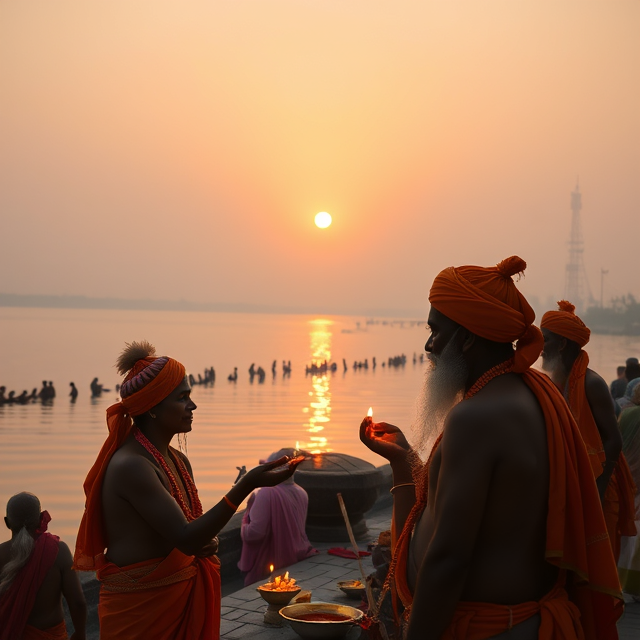
The soft, golden light during sunrise and sunset enhances the spiritual ambiance of your photos.
Tips:
Use the early morning light to capture peaceful rituals.
Take advantage of the evening glow for candid portraits and crowd shots.
3. Focus on the Devotees
The people at the Maha Kumbh Mela are the heart of the event.
Tips:
Capture candid moments of devotion and emotion.
Request permission for close-up portraits, especially of sadhus and devotees.
4. Highlight Cultural Details
From saffron robes to intricately decorated tents, the Kumbh Mela is rich in cultural elements.
Tip: Look for unique details like ceremonial objects, vibrant attire, and religious symbols to tell a compelling story through your photos.
5. Master Crowd Photography
Large crowds are a defining feature of the Maha Kumbh Mela.
Tips:
Use a wide-angle lens to capture the scale of the gathering.
Look for symmetry and patterns in the crowd to add depth to your composition.
6. Play with Reflections and Shadows
The holy rivers offer stunning opportunities for creative shots.
Tips:
Capture reflections in the water during rituals.
Use shadows to create dramatic and artistic effects.
7. Embrace the Chaos
The vibrant chaos of the Kumbh Mela can lead to some of the most dynamic and engaging photos.
Tip: Don’t shy away from busy scenes—use the chaos to highlight the energy and vibrancy of the event.
8. Use the Right Gear
Selecting the right equipment is essential for capturing diverse scenes at the Kumbh Mela.
Recommended Gear:
DSLR or mirrorless camera with versatile lenses (wide-angle, telephoto, and prime).
Tripod for stable shots during low light.
Extra batteries and memory cards.
9. Respect Privacy and Sensitivities
While photography is encouraged, it’s essential to respect the devotees’ spiritual practices.
Tips:
Avoid intrusive shots during private moments of prayer.
Always ask for permission when taking close-ups.
10. Edit for the Essence, Not Excess
Post-processing is vital for enhancing your shots but aim to retain the authenticity of the event.
Tips:
Adjust brightness and contrast to reflect the natural colors.
Avoid over-editing that distorts the true atmosphere of the Kumbh Mela.
Conclusion
Photographing the Maha Kumbh Mela 2025 is a once-in-a-lifetime opportunity to document a deeply spiritual and culturally rich event. By following these tips, you can capture its essence in a way that resonates with both the heart and the eye. With preparation, respect, and creativity, your photos can become a timeless record of this extraordinary gathering.