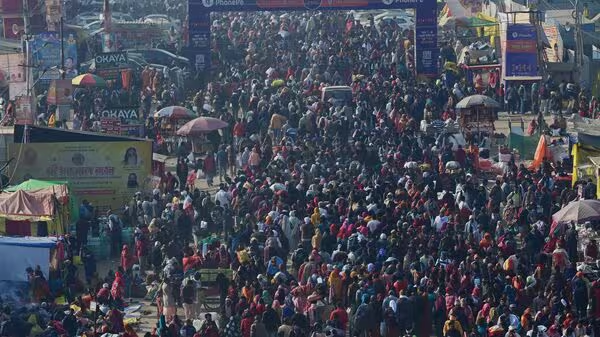
Mahakumbh 2025: How Local Communities are Preparing for the Mega Event The Mahakumbh Mela, set to occur in Prayagraj in 2025, is not only one of the world’s largest spiritual gatherings but also a significant event for local communities. These communities are the backbone of this mega festival, playing a crucial role in its success […]
Mahakumbh 2025: How Local Communities are Preparing for the Mega Event
The Mahakumbh Mela, set to occur in Prayagraj in 2025, is not only one of the world’s largest spiritual gatherings but also a significant event for local communities. These communities are the backbone of this mega festival, playing a crucial role in its success through extensive preparations that go beyond mere logistical support. Here’s how the local populace is preparing for this monumental event.
Infrastructure and Urban Planning
Expanding Accommodations
Local communities are actively involved in creating temporary housing solutions like tent cities to accommodate millions. They work alongside government bodies to ensure these spaces are safe, hygienic, and accessible. Some families even convert their homes into guest houses, contributing to the festival’s lodging needs.
Traffic and Crowd Management
Residents are coordinating with local authorities to enhance road networks, set up directional signs, and manage parking spaces. Volunteers from the community are trained to assist in guiding pilgrims, ensuring smooth movement during peak times like the Shahi Snan.
Enhancing Services
Health and Safety
Local medical professionals and volunteers are setting up numerous health camps and first-aid stations throughout the Mela area. They undergo special training sessions to handle emergencies, focusing on crowd-related injuries, hydration, and sanitation issues.
Water and Sanitation
With the help of local NGOs and community groups, there’s a massive drive to install thousands of temporary toilets and water points. These efforts are part of the “Swachh Mahakumbh” initiative, aiming to maintain cleanliness and prevent pollution of the Ganga River.
Cultural and Spiritual Contributions
Hosting Cultural Programs
Communities are organizing cultural events, showcasing local arts, music, and dance, which not only entertain but also educate pilgrims about the region’s heritage. This includes setting up stages for traditional performances and art exhibitions.
Spiritual Guidance
Local priests, sadhus, and spiritual leaders are preparing to conduct discourses, yoga sessions, and rituals. They play a vital role in enriching the spiritual experience of attendees, often organizing camps for teaching Vedic practices and meditation.
Economic and Social Impact
Boosting Local Economy
The anticipation of Mahakumbh has led to a surge in local entrepreneurship, from food stalls to souvenir shops. Communities are training individuals in hospitality and small business management, turning the event into an economic opportunity.
Community Volunteering
There’s a strong sense of community service with locals volunteering for various roles, from waste management to lost and found services. This volunteerism not only aids in the event’s operations but also fosters a sense of unity and pride among residents.
Environmental Sustainability
Eco-Friendly Initiatives
Local groups are at the forefront of promoting sustainability. They’re advocating for the use of biodegradable materials, composting organic waste, and organizing clean-up drives post-event. Solar lighting installations are becoming common, reducing the environmental impact.
River Conservation
Given the festival’s proximity to the Ganga, there’s an increased focus on river conservation. Local communities are involved in awareness campaigns about not littering in the river and participating in river cleaning activities.
Conclusion
The preparation for Mahakumbh 2025 by the local communities of Prayagraj showcases a remarkable blend of cultural fervor, economic ambition, and environmental consciousness. It’s a testament to how such a large-scale event can galvanize local efforts, turning the challenge into an opportunity for growth, both spiritually and materially. As the festival approaches, these preparations will not only ensure a successful Mahakumbh but also leave a lasting legacy of community involvement and sustainable practices.
The Best Times to Visit Mahakumbh for Pilgrims and Tourists Alike
The Mahakumbh Mela, held every 12 years at the confluence of three sacred rivers in Prayagraj, is not just a monumental spiritual event but also a cultural spectacle. Both pilgrims and tourists can have enriching experiences; however, timing your visit correctly can significantly enhance your journey. Here’s a guide to the best times to attend Mahakumbh, catering to the needs of both spiritual seekers and cultural explorers.
For Pilgrims: The Sacred Bathing Dates
Shahi Snan (Royal Baths)
Makar Sankranti (January 14, 2025): This is one of the most auspicious days for taking a holy dip in the Ganges. It marks the sun’s transition into Capricorn, believed to be particularly potent for spiritual purification.
Mauni Amavasya (January 29, 2025): Known for its solemnity, this day is for silent meditation and bathing, promising spiritual growth through introspection.
Basant Panchami (February 3, 2025): Celebrated as the arrival of spring, this day is dedicated to Saraswati, the goddess of knowledge, making it ideal for those seeking wisdom.
Maghi Purnima (February 12, 2025) and Maha Shivratri (February 26, 2025): These days offer additional opportunities for spiritual cleansing and devotion.
For pilgrims, these dates are not just about the physical act of bathing but about participating in a collective spiritual experience, witnessing grand processions, and engaging in discourses by revered spiritual leaders.
For Tourists: Cultural Immersion and Crowd Management
Early in the Festival
Just After the Opening (Mid-January): Visiting right after the festival begins offers a chance to witness the setup, initial rituals, and a less crowded environment. This period is perfect for those interested in photography, cultural exploration, or those who prefer a quieter pilgrimage.
Mid-Festival
Between Major Bathing Days: If you’re looking for a balance between spiritual experience and manageable crowds, the days between the Shahi Snans are ideal. You can still partake in daily rituals, explore the vibrant markets, and enjoy cultural performances without the overwhelming density of pilgrims.
Towards the End
Before Maha Shivratri: This is a good time for tourists who want to experience the culmination of Mahakumbh’s festivities without the initial rush. The atmosphere remains charged with spiritual energy, and you can see preparations for the festival’s grand finale.
General Tips for All Visitors
Accommodation and Travel
Book Early: Whether you’re there for spiritual reasons or cultural exploration, securing accommodation well in advance is crucial due to the influx of visitors.
Transportation: Use the Mahakumbh app for updates on train and bus schedules. Special trains are often arranged, but they book up fast.
Health and Safety
Stay Hydrated: Carry water and health supplies. The medical facilities are well-equipped, but personal preparedness is key.
Crowd Awareness: Be mindful of crowd movements, especially on Shahi Snan days. Stay with your group and have a meeting point in case of separation.
Cultural Respect and Participation
Dress Appropriately: Modest attire is recommended, respecting the sacred nature of the event.
Participate in Cultural Events: From spiritual discourses to folk dances, there’s much to learn and enjoy. Engage respectfully with the local customs and rituals.
Conclusion
Whether you’re a pilgrim seeking spiritual purification or a tourist eager to experience one of the world’s largest cultural gatherings, Mahakumbh offers something unique at different times. By choosing the right moments to visit, you can maximize your experience of this ancient festival, blending spirituality with cultural immersion in the heart of India’s spiritual heritage.
Mahakumbh in the Modern World: Adapting to Technology and Innovation
The Mahakumbh Mela, a festival steeped in ancient traditions, has gracefully stepped into the modern era, leveraging technology and innovation to meet the needs of contemporary pilgrims and enhance the overall experience. This adaptation not only preserves the sanctity of the event but also ensures its relevance and accessibility in today’s fast-paced, tech-driven world.
Enhancing Pilgrim Experience
Digital Navigation and Crowd Management
GPS and Mobile Apps: The introduction of dedicated Mahakumbh apps has revolutionized how pilgrims navigate the vast festival area. These apps provide real-time updates on crowd density, important locations like bathing ghats, and emergency services, significantly improving safety and convenience.
Crowd Management Technologies: Using AI and IoT for crowd management, Mahakumbh employs technologies like smart surveillance cameras and predictive analytics to manage the flow of millions, ensuring that the event remains orderly and safe.
Virtual Reality (VR) and Augmented Reality (AR)
Virtual Pilgrimage: For those unable to attend in person, VR experiences of Mahakumbh allow for virtual participation, bringing the festival’s spiritual ambiance into homes worldwide. This not only extends the festival’s reach but also preserves its cultural significance for future generations.
AR for Education: AR applications at Mahakumbh offer interactive ways to learn about rituals, history, and mythology. By pointing their devices at certain locations or objects, pilgrims can access augmented information, making the festival an educational journey as well.
Sustainable Practices Through Technology
Solar Energy and Green Initiatives
Solar Power: Mahakumbh has seen the installation of solar panels across the festival grounds to power lights, charging stations, and even some administrative buildings, reducing the carbon footprint and setting an example for sustainable large-scale events.
Waste Management Tech: Innovative waste management systems, including smart bins that sort waste, and apps that inform about recycling points, help in keeping the event environmentally friendly, showing how technology can aid in preserving the sanctity of the Ganga River.
Communication and Connectivity
High-Speed Internet and Live Streaming
Broadband and Wi-Fi Zones: To keep pilgrims connected, Mahakumbh has expanded broadband coverage and set up Wi-Fi zones, allowing for seamless communication, especially crucial for emergencies or to share experiences with loved ones.
Live Streaming of Rituals: Key rituals and events are now live-streamed, enabling global participation and ensuring that everyone, regardless of physical presence, can witness the spiritual highlights of Mahakumbh.
Digital Donation and Charity
Online Donations: The integration of digital payment systems for donations makes giving back easier and more transparent, encouraging more people to contribute to the festival’s organization, charity, and environmental efforts.
Crowdfunding Platforms: These platforms are used to fund various aspects of Mahakumbh, from community projects to infrastructure, showcasing how technology can democratize participation in spiritual and cultural preservation.
Educating Through Technology
Digital Storytelling and Preservation
Digital Archives: Efforts are made to digitally document Mahakumbh, from chants and rituals to stories told by Sadhus. This not only preserves cultural heritage but also educates future generations about the festival’s significance.
Interactive Workshops: Utilizing technology, workshops on yoga, meditation, and even Vedic sciences are conducted, blending ancient knowledge with modern teaching methods to engage a tech-savvy audience.
Conclusion
Mahakumbh Mela’s embrace of technology and innovation illustrates a perfect synergy between tradition and modernity. By adapting to contemporary tools, the festival not only enhances the experience for millions of attendees but also ensures that its spiritual and cultural essence is preserved and shared with a global audience. This approach not only keeps Mahakumbh relevant but also positions it as a leader in how ancient festivals can evolve, catering to the needs of the modern world while maintaining their sacred core.
How Mahakumbh is Bridging the Gap Between Generations
The Mahakumbh Mela, one of the world’s largest spiritual gatherings, transcends simple religious observance; it serves as a profound bridge across generations. In a world where generational divides can often feel wide, Mahakumbh offers a unique platform where tradition meets contemporary life, fostering understanding, unity, and mutual respect among the young and old.
Shared Spiritual Experiences
A Collective Pilgrimage
At its core, Mahakumbh is about the collective experience of faith. Young and old alike gather at the Triveni Sangam in Prayagraj to partake in the holy dips, symbolizing purification and spiritual renewal. This shared ritualistic experience is a powerful reminder of common values, where the elder generations pass down the significance of these practices to the youth, creating a chain of cultural continuity.
Transmission of Knowledge
During Mahakumbh, there’s a significant exchange of knowledge between generations. Elders share stories, myths, and the spiritual significance of the festival, while younger attendees often help in navigating modern technology or organizing logistics. This mutual learning environment not only bridges the generational divide but also reinforces the respect between different age groups.
Cultural and Traditional Engagement
Celebrating Cultural Heritage
Mahakumbh is a vibrant showcase of India’s cultural heritage, from music and dance to art and cuisine. Here, every generation finds something to celebrate, learn, or contribute to. Youth can explore and appreciate traditional arts, while seniors can revel in the continuity of their cultural practices, often innovatively presented by the new generation.
Festivals Within the Festival
The event includes numerous smaller festivals and activities that cater to all ages. From storytelling sessions to yoga camps, from traditional performances to tech-driven experiences like virtual reality tours of historical significance, Mahakumbh ensures that there’s an activity for everyone. This inclusivity helps in knitting together a diverse crowd into a cohesive community.
Modern Adaptations and Innovations
Technology as a Unifier
Mahakumbh has embraced technology to make the festival more accessible and enjoyable for all. Digital platforms provide information, virtual participation for those unable to attend physically, and even apps for navigation and crowd management. This blend of old and new not only attracts younger participants but also shows older generations the practical benefits of technology, promoting a shared appreciation.
Sustainability Initiatives
With a focus on environmental sustainability, Mahakumbh has become a ground for intergenerational cooperation. Older generations, often more rooted in traditional practices, learn from the environmentally conscious ideas of the youth, while sharing their wisdom on sustainable living. Together, they work towards making the festival less of a burden on nature, teaching the value of conservation to all.
Fostering Understanding and Respect
Breaking Down Stereotypes
Mahakumbh provides a space where stereotypes about different generations can be challenged. Young people see the dedication and wisdom of their elders in action, while older generations witness the enthusiasm and fresh perspectives of the youth. This interaction helps in dismantling preconceived notions, fostering empathy and mutual respect.
A Legacy of Unity
The festival’s legacy isn’t just spiritual; it’s about creating a legacy of unity. By participating together in this grand event, families strengthen their bonds, communities find common ground, and individuals from different walks of life connect over shared spiritual goals. This communal experience at Mahakumbh is a testament to how shared values and practices can unite diverse generations.
Conclusion
Mahakumbh Mela stands as a unique cultural and spiritual event that actively bridges generational gaps. Through shared rituals, cultural exchanges, technological integration, and a focus on sustainability, it creates an environment where every generation can learn from, appreciate, and grow with each other. This not only preserves the rich tapestry of Indian heritage but also nurtures a future where the wisdom of the past and the innovations of the present harmoniously coexist.
Unveiling the Myths Behind Mahakumbh: What You Didn’t Know About the Festival
Mahakumbh Mela, often dubbed the world’s largest religious gathering, is not just a festival but a tapestry of myths, legends, and untold stories. While millions gather at the confluence of the Ganga, Yamuna, and the mythical Saraswati in Prayagraj every 12 years, many myths surround this event, enriching its cultural and spiritual significance. Let’s delve into some of these lesser-known tales and dispel common misconceptions.
The Myth of the Kumbh
The Samudra Manthan
The core myth behind Mahakumbh is the Samudra Manthan or the churning of the ocean of milk by gods and demons to obtain the nectar of immortality, Amrita. According to legend, when the gods and demons fought over this nectar, drops fell at four places on earth, known as Prayagraj, Haridwar, Ujjain, and Nashik, where Kumbh Mela is celebrated. But did you know that Mahakumbh is believed to be where the largest drop of nectar fell, making it a once-in-144-years event?
The Timing of Mahakumbh
A common myth is that Mahakumbh occurs every 12 years. While this is true for Kumbh Mela, Mahakumbh’s frequency is less understood; it’s actually based on astrological alignments happening once every 144 years when Jupiter is in Aries and the Sun in Capricorn.
Rituals and Their Myths
The Holy Dip
The belief that bathing in the Ganga at Mahakumbh cleanses one of all sins is well-known. However, there’s a deeper myth linked to this practice. It’s said that during the Samudra Manthan, the Ganga herself descended from heaven through Shiva’s hair to purify the earth, making her waters at Mahakumbh even more sacred.
Akharas and Naga Sadhus
The presence of Naga Sadhus, the naked ascetics, adds mystique to Mahakumbh. A myth less known is that these sadhus were once warriors who protected Hindu dharma, and their nudity symbolizes renunciation of worldly attachments. Their participation in the Shahi Snan (royal bath) is not just a ritual but a strategic display of power and unity among different sects.
Misconceptions and Clarifications
The Mahakumbh as Only a Hindu Festival
While Mahakumbh is predominantly a Hindu festival, it’s a misconception that it’s exclusive to Hindus. People from various faiths attend, drawn by its spiritual magnitude, cultural exchange, and curiosity about the myths. It’s a melting pot of humanity.
The Festival’s Environmental Impact
There’s a myth that Mahakumbh’s environmental footprint is inevitably negative. However, recent Mahakumbh events have shown a strong push towards sustainability, with initiatives like waste segregation, solar power usage, and river conservation efforts, challenging the notion of an environmentally harmful festival.
The Cultural Impact of Mahakumbh
Mahakumbh isn’t just about myths; it’s a living cultural heritage that:
Preserves ancient practices and Sanskrit chants.
Brings together diverse linguistic and regional groups in a shared spiritual experience.
Acts as a platform for arts, from traditional music to yoga, rooted in myths.
Conclusion
Mahakumbh Mela is much more than a religious gathering; it’s a vibrant testament to the enduring power of myth in shaping human culture and spirituality. By understanding the myths behind Mahakumbh, we gain insights into not just the festival but also into the rich tapestry of Indian mythology. As we peel back these layers, we reveal the festival’s true essence, celebrating unity in diversity, the pursuit of purity, and the timeless quest for knowledge and enlightenment.
Mahakumbh’s Environmental Challenges and Sustainable Solutions for the Future
Mahakumbh Mela, one of the world’s largest spiritual gatherings, attracts millions to the sacred city of Prayagraj, India. While it’s a celebration of faith, culture, and unity, the event also poses significant environmental challenges. However, there’s been a growing focus on sustainability, aiming to mitigate the festival’s ecological footprint while preserving its spiritual essence for future generations.
Environmental Challenges at Mahakumbh
Massive Waste Generation
The congregation of millions leads to an incredible amount of waste, from plastic bottles to food packaging. Managing this waste to prevent river pollution and land contamination is a herculean task, especially when waste management infrastructure is stretched.
Pollution of the Ganga River
The Ganga, central to Mahakumbh’s rituals, faces severe pollution during the festival. Bathing by millions, along with the disposal of offerings and waste, directly impacts the river’s health, threatening aquatic life and the purity that pilgrims seek.
Energy and Resource Consumption
The temporary city built for Mahakumbh requires vast amounts of energy for lighting, water supply, and sanitation, often leading to an increase in carbon emissions and resource depletion.
Air and Soil Degradation
The construction of temporary shelters, coupled with the influx of people and vehicles, contributes to dust and air pollution. Additionally, soil compaction and degradation are concerns due to heavy foot traffic and makeshift structures.
Sustainable Solutions for the Future
Innovative Waste Management
Source Segregation: Encouraging pilgrims to separate waste at the source, with clear bins for different types of waste, facilitates recycling and composting. Education plays a crucial role here, with volunteers and informational campaigns leading the charge.
Biodegradable Alternatives: Moving away from plastics to biodegradable materials like jute or paper reduces long-term environmental impact. The “Ek Thaila, Ek Thali” campaign during Mahakumbh promotes this shift.
Protecting the Ganga
Sewage Treatment Systems: Portable, eco-friendly toilets with on-site treatment ensure that sewage does not directly enter the Ganga. Some systems even recycle greywater for non-potable uses, showcasing water conservation.
River Cleanliness Drives: Post-event, massive clean-ups are organized, with volunteers and local communities collecting and properly disposing of waste to restore the river’s cleanliness.
Energy Efficiency
Solar Power Utilization: Solar panels are increasingly used to power lighting and small-scale operations within the festival area, significantly cutting down on fossil fuel consumption.
Biogas from Waste: Organic waste is converted into biogas, providing an alternative energy source and reducing landfill waste.
Air and Soil Conservation
Dust Control Measures: Sprinkling water on roads and using green barriers help control dust. Post-Mahakumbh, tree planting initiatives aim to rehabilitate soil and improve air quality.
Promoting Sustainable Transport: Encouraging the use of bicycles, electric vehicles, and shuttle services reduces vehicle emissions and traffic congestion.
Community and Cultural Engagement
Educational Workshops: Integrating environmental consciousness into spiritual teachings, workshops on sustainability are held, linking cultural practices with ecological responsibility.
Local Involvement: Involving locals in planning and execution not only ensures solutions are culturally appropriate but also builds community ownership over environmental stewardship.
Conclusion
Mahakumbh Mela presents unique environmental challenges due to its scale and spiritual significance. However, through innovative, sustainable solutions, the festival is setting a global example of how large events can be managed responsibly. By embracing green practices, Mahakumbh not only protects its sacred rivers and lands but also educates and unites people in the pursuit of a more sustainable future. This approach ensures that the festival remains a beacon of spiritual enlightenment without compromising the planet’s health.
Mahakumbh’s Influence on Indian Art and Literature
Introduction
The Mahakumbh, often called the largest spiritual congregation on Earth, goes beyond religious practices. It deeply influences Indian art and literature, shaping the cultural identity of the nation. The Influence of Mahakumbh has left an indelible mark, serving as a source of inspiration for centuries. This article explores how Mahakumbh enriches Indian creativity while preserving its traditions.
The Artistic Legacy of Mahakumbh
Visual Narratives Rooted in Tradition
The Mahakumbh inspires various traditional Indian art forms. Ancient paintings like Madhubani, Pattachitra, and Miniature Art often portray vibrant scenes of the festival. Iconic visuals such as devotees taking holy dips in the Ganga or Naga Sadhus in processions have been recurring motifs.
Modern art, too, reflects the grandeur of Mahakumbh. From colorful murals to digital illustrations, artists reinterpret the festival’s spiritual essence for contemporary audiences.
Mahakumbh’s Role in Indian Literature
Timeless Reflections in Texts
Indian scriptures, including the Puranas and epics like the Ramayana, describe the origin and rituals of Mahakumbh, emphasizing its spiritual importance.
In modern times, authors like Raja Rao and R.K. Narayan have depicted Mahakumbh in their writings. Their works narrate its mystique and showcase the festival as a confluence of spirituality and human emotion. Poets, too, have often celebrated Mahakumbh in verses, capturing its essence in timeless poetry.
Preservation of Cultural Identity
Mahakumbh acts as a bridge between tradition and modernity. Its rituals, art, and literature contribute to preserving India’s cultural heritage. Creative expressions inspired by Mahakumbh not only honor the past but also inspire the future, ensuring the legacy lives on.
How Mahakumbh 2025 Will Add to the Legacy
With Mahakumbh 2025 on the horizon, artists and writers are already drawing inspiration. The introduction of modern amenities alongside ancient rituals is expected to create new avenues for creative expressions. This edition of the festival will likely inspire more artistic and literary works that celebrate India’s evolving cultural landscape.
Conclusion
The Influence of Mahakumbh on Indian art and literature is undeniable. From inspiring ancient scriptures to influencing modern creative endeavors, the festival’s legacy continues to thrive. As we approach Mahakumbh 2025, let’s celebrate its contribution to preserving and shaping India’s rich cultural heritage.
The Mahakumbh 2025 promises a once-in-a-lifetime spiritual experience, offering devotees the opportunity to participate in age-old rituals across four sacred sites: Haridwar, Prayagraj, Nashik, and Ujjain. Each location holds unique significance, making the Mahakumbh not just a pilgrimage but a profound spiritual journey.
The Essence of Mahakumbh 2025 Rituals
The Mahakumbh 2025 rituals symbolize purification, devotion, and enlightenment. Pilgrims believe that participating in these ceremonies can cleanse their souls and lead to salvation. Let’s dive into the rituals that define the Mahakumbh and their significance at each sacred site.
Key Rituals at Each of the Four Sacred Sites
1. Haridwar: The Gateway to Spiritual Enlightenment
Haridwar, where the Ganga River descends into the plains, is the first venue for the Mahakumbh. The key rituals include:
Shahi Snan (Royal Bath): Witnessing saints and seers from various akharas take a ceremonial dip in the Ganga.
Aarti on the Ghats: Devotees participate in evening aartis, offering prayers and floating diyas on the river.
Yoga and Meditation Camps: These camps allow participants to connect with their inner selves.
2. Prayagraj: The Land of Confluence
Known for the Triveni Sangam (confluence of Ganga, Yamuna, and Saraswati), Prayagraj hosts some of the most iconic rituals:
Kalpavas: Pilgrims spend a month living on the riverbank, following strict spiritual practices.
Pind Daan: A ritual performed to honor ancestors and help them attain liberation.
Akshaya Snan: Bathing at the confluence on specific dates for eternal blessings.
3. Nashik: The Abode of Lord Shiva
Nashik, closely associated with the Ramayana, offers distinct rituals:
Kumbh Snan: Pilgrims take a dip in the sacred Godavari River to wash away sins.
Ram Katha Recitations: Spiritual discourses that recount Lord Ram’s journey.
Temple Offerings: Devotees visit Trimbakeshwar Temple to seek blessings.
4. Ujjain: The Eternal City of Mahakal
Ujjain, the city of Lord Shiva, hosts rituals centered around cosmic energy:
Bhasma Aarti: A unique morning aarti performed with ash at Mahakaleshwar Temple.
Rudra Abhishek: Worship of Lord Shiva through water and milk offerings.
Cultural Performances: Devotional music and dance celebrate the divine.
Symbolism Behind Mahakumbh Rituals
The rituals of Mahakumbh are deeply symbolic:
Shahi Snan: Represents the shedding of ego and embracing humility.
Kalpavas: Encourages self-discipline and detachment from material desires.
Pind Daan: Honors family ties and the cycle of life and death.
Tips for Participating in Mahakumbh Rituals
Plan Ahead: Check the dates for specific rituals and arrive early to secure a spot.
Follow Guidelines: Respect the sanctity of the rituals by adhering to local customs.
Stay Hydrated: Keep essentials like water and snacks handy during long rituals.
Conclusion
The Mahakumbh 2025 rituals offer a rare opportunity to experience the profound spirituality of India. From the sacred dips to the vibrant cultural performances, each ritual is a testament to the country’s rich heritage and devotion. Whether you’re seeking spiritual growth, cultural insights, or a transformative journey, Mahakumbh 2025 is an event you cannot miss.
The Mahakumbh Volunteer Experience is a gateway to selfless service and spiritual growth. Held every 12 years, the Mahakumbh is not only the largest religious gathering in the world but also a monumental event requiring extensive volunteer efforts. This guide explores how you can contribute to the smooth functioning of Mahakumbh 2025 and enrich your spiritual journey.
1. Why Choose the Mahakumbh Volunteer Experience?
The Mahakumbh Volunteer Experience is not just about logistics; it’s an opportunity to immerse in a spiritual and cultural legacy. By participating, volunteers play a crucial role in facilitating the spiritual journey of millions, ensuring safety in crowds, and advocating for eco-friendly practices. The Mahakumbh Volunteer Experience enriches one’s own faith, offering unique insights into human unity and diversity. It’s a profound way to contribute to one of the world’s largest peaceful gatherings, gaining a deeper understanding of service, spirituality, and the collective human spirit, all while being part of the Mahakumbh Volunteer Experience.
2. Roles and Responsibilities of Volunteers
Volunteers are the backbone of the Mahakumbh’s operations. Here’s what you can expect:
Pilgrim Assistance: Guide visitors to designated areas like bathing ghats and accommodations.
Logistics Management: Support food distribution and transportation services.
Crowd Control: Maintain safety during peak events, such as the holy dips.
Sustainability Efforts: Help in waste management and promoting eco-conscious behavior.
3. Steps to Become a Volunteer
Becoming a part of the Mahakumbh Volunteer Experience is straightforward:
Register Online: Visit the official website for Mahakumbh 2025 and fill out the volunteer form.
Complete Training: Participate in workshops to understand your role and responsibilities.
Get Your Badge: Receive your official volunteer credentials and assignments.
4. The Spiritual and Practical Benefits of Volunteering
Inner Growth: Serving at the Mahakumbh fosters humility and devotion.
Skill Development: Improve leadership, communication, and crisis management skills.
Cultural Immersion: Witness diverse traditions and interact with people from across the globe.
Community Building: Forge connections with like-minded individuals.
5. Tips for First-Time Volunteers
To make the most of your Mahakumbh Volunteer Experience, keep these tips in mind:
Be Prepared: Carry essentials like water, snacks, and weather-appropriate clothing.
Stay Patient: With millions of attendees, the environment can be chaotic.
Learn Basic First Aid: It can be a valuable skill in crowded situations.
Communicate Effectively: Know your team and keep your phone charged for coordination.
6. Incorporating Sustainability in Volunteering
The Mahakumbh Volunteer Experience also emphasizes environmental awareness. Volunteers can play a significant role in:
Organizing waste segregation drives.
Encouraging pilgrims to use biodegradable materials.
Ensuring the cleanliness of sacred sites like the Ganga ghats.
Conclusion
The Mahakumbh Volunteer Experience is an incredible opportunity to serve millions while embracing the spiritual essence of the festival. By becoming a volunteer, you not only contribute to the event’s success but also grow as an individual. Don’t miss this chance to make a difference at Mahakumbh 2025—register today and embark on a journey of service, faith, and self-discovery!
The Role of the Ganga in the Mahakumbh 2025 goes beyond spirituality, symbolizing purity, unity, and renewal. This blog explores the profound connection between the sacred river and the grand festival, unraveling the essence of its symbolism and highlighting key rituals and practices that revolve around this divine water body.
Table of Contents
Introduction: The Ganga’s Divine Legacy
Why the Ganga is Central to Mahakumbh 2025
Symbolism of the Ganga’s Sacred Waters
Key Rituals Highlighting the Role of the Ganga
Shahi Snan (Royal Bath)
Daily Devotee Dips
Spiritual Gatherings on the Ganga Banks
Ganga as a Symbol of Unity and Purity
Conservation Efforts for the Ganga
Plan Your Visit to Mahakumbh 2025
The Ganga’s Divine Legacy
The Ganga River is revered as the most sacred river in India, symbolizing purity and divine blessings. Known as “Maa Ganga,” it has been the cornerstone of spiritual practices for centuries. The Mahakumbh Mela, held every 12 years, celebrates this sacred bond, attracting millions of devotees to its banks for ritualistic dips and spiritual awakening.
Why the Ganga is Central to Mahakumbh 2025
During the Mahakumbh 2025, the Ganga becomes the epicenter of religious activities at the Prayagraj Sangam, where it meets the Yamuna and the mythical Saraswati rivers. This confluence represents spiritual unity and purity, offering devotees a unique opportunity to cleanse their sins and seek blessings.
Symbolism of the Ganga’s Sacred Waters
Purification: Bathing in the Ganga is believed to cleanse sins and rejuvenate the soul.
Unity: The river connects millions of devotees from diverse backgrounds, symbolizing oneness.
Eternal Flow: Its ceaseless flow reflects life’s continuity and spiritual progression.
Key Rituals Highlighting the Role of the Ganga
Shahi Snan (Royal Bath)
The most auspicious event of the Mahakumbh, where saints, sages, and pilgrims take a ceremonial dip in the Ganga, marking the peak of spiritual energy.
Daily Devotee Dips
Throughout the festival, devotees immerse themselves in the river at dawn, believing it washes away negativity and bestows spiritual strength.
Spiritual Gatherings on the Ganga Banks
The Ganga’s banks host religious discourses and spiritual programs, making it a hub for enlightenment and reflection.
Ganga as a Symbol of Unity and Purity
The Role of the Ganga transcends mere geography; it symbolizes unity and purity, bringing together millions in a celebration of diversity. At events like Mahakumbh, the Role of the Ganga is evident as it fosters a sense of community among diverse groups, all united by faith and devotion. This sacred river not only embodies India’s vast spiritual heritage but also acts as a unifying force, where the purity of its waters symbolizes the cleansing of the soul, highlighting the Role of the Ganga in knitting together the cultural and spiritual fabric of the nation.
Conservation Efforts for the Ganga
The Role of the Ganga in spiritual and cultural life underscores the urgency of its conservation. Programs like Namami Gange are pivotal in reducing pollution to keep the river pure for future generations. During Mahakumbh 2025, the Role of the Ganga is highlighted as millions gather, making it essential for attendees to engage in conservation. This includes maintaining cleanliness, using biodegradable materials, and participating in clean-up drives, ensuring the sacred waters remain a source of purity and a testament to the Role of the Ganga in our collective heritage.
Plan Your Visit to Mahakumbh 2025
Key Dates: Make note of the Shahi Snan days to fully experience the event’s spiritual peak.
Accommodation: Explore options ranging from tent cities to eco-friendly stays near the riverbank.
Travel Tips: Arrive early, use public transport, and prepare for large crowds.
Rich Media Integration
Image: An image of the Ganga at the Sangam with the alt text “Role of the Ganga in Mahakumbh 2025.”
Video: A short clip showcasing rituals by the Ganga during previous Mahakumbh events.