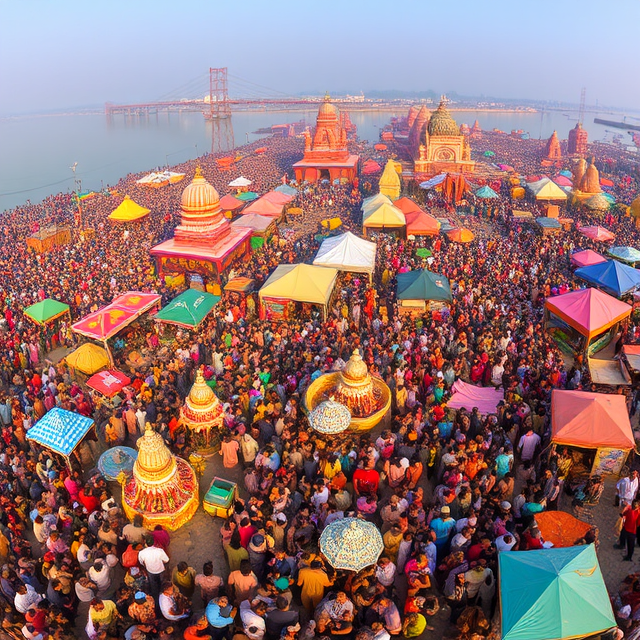
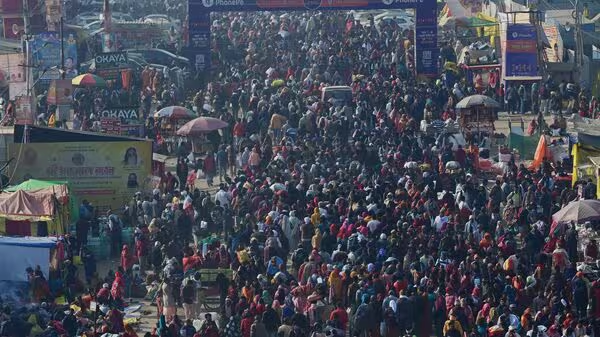
Introduction The Maha Kumbh Mela 2025 is the world’s largest spiritual gathering, drawing millions of devotees and spiritual seekers to Prayagraj. This grand event, held once every 12 years, is a unique confluence of faith, culture, and tradition. At its core lies an array of spiritual practices aimed at self-purification, enlightenment, and a deeper connection […]
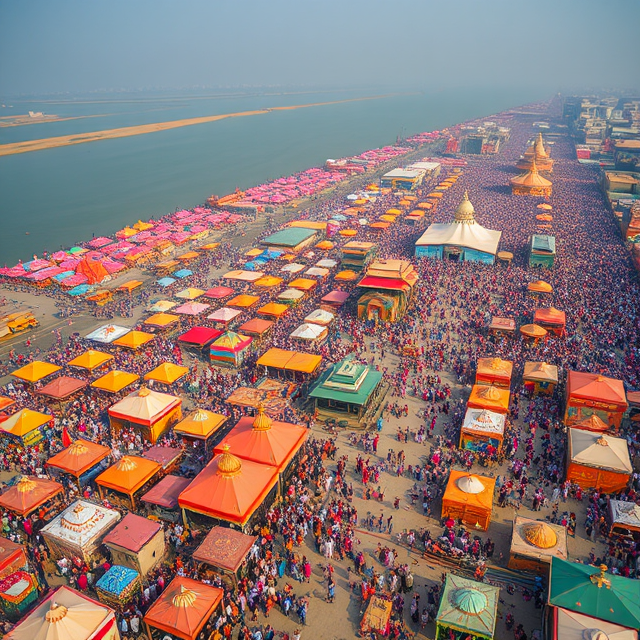
The Maha Kumbh Mela 2025 is the world’s largest spiritual gathering, drawing millions of devotees and spiritual seekers to Prayagraj. This grand event, held once every 12 years, is a unique confluence of faith, culture, and tradition. At its core lies an array of spiritual practices aimed at self-purification, enlightenment, and a deeper connection with the divine. In this guide, we explore the spiritual practices that define the Maha Kumbh Mela 2025, helping you immerse yourself in its sanctity and significance.
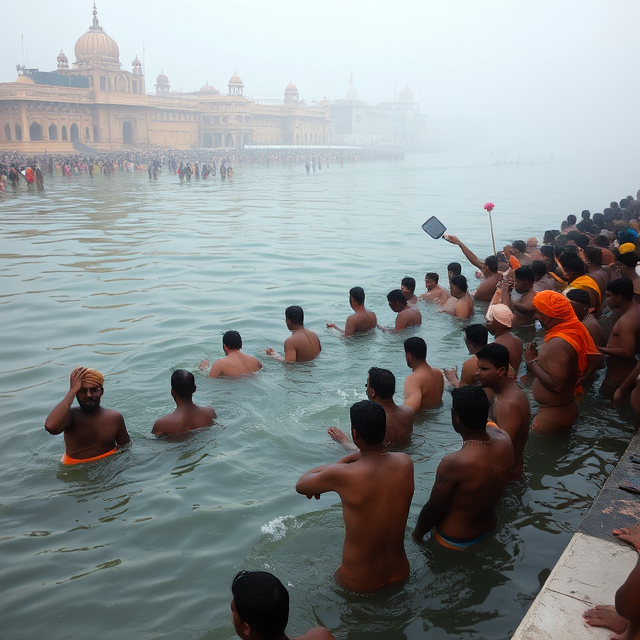
1. The Holy Dip: Shahi Snan
The most iconic spiritual practice at the Maha Kumbh Mela is the Shahi Snan, or royal bath. Millions of devotees, including saints and sadhus, take a holy dip in the sacred rivers—Ganga, Yamuna, and the mythical Saraswati—to cleanse their sins and attain salvation. The Shahi Snan days are considered the most auspicious, with elaborate rituals led by various Akharas (monastic orders).
Tip: Plan your visit on auspicious bathing dates for an authentic experience, but arrive early to avoid large crowds.
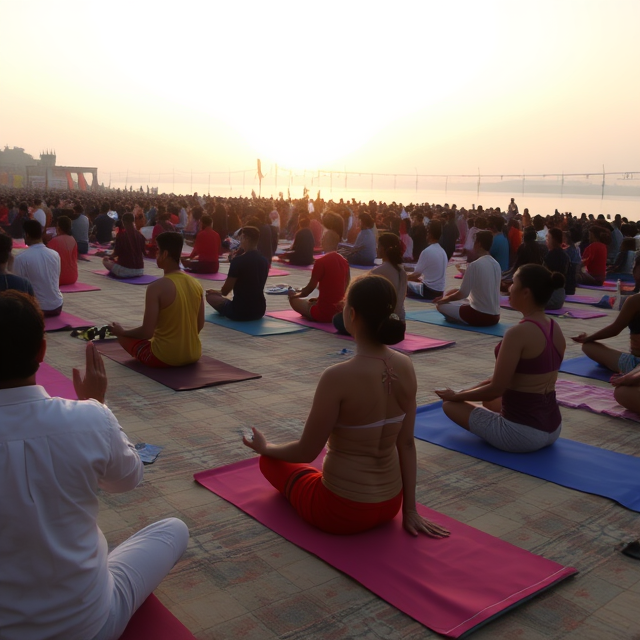
2. Yoga and Meditation Sessions
Yoga and meditation are integral to the spiritual experience at the Maha Kumbh Mela 2025. Several camps and ashrams offer free yoga workshops, meditation sessions, and spiritual discourses led by renowned gurus. These practices aim to harmonize the mind, body, and soul, making the Kumbh Mela an ideal place for spiritual rejuvenation.
Tip: Join early morning sessions for a serene atmosphere and personalized guidance.
3. Religious Discourses and Satsangs
The Maha Kumbh Mela serves as a hub for spiritual knowledge and learning. Spiritual leaders, gurus, and scholars hold Satsangs (spiritual gatherings) and discourses on ancient scriptures like the Bhagavad Gita, Vedas, and Upanishads. These teachings inspire introspection and offer guidance for leading a virtuous life.
Tip: Check schedules for sessions by prominent speakers to enrich your spiritual understanding.
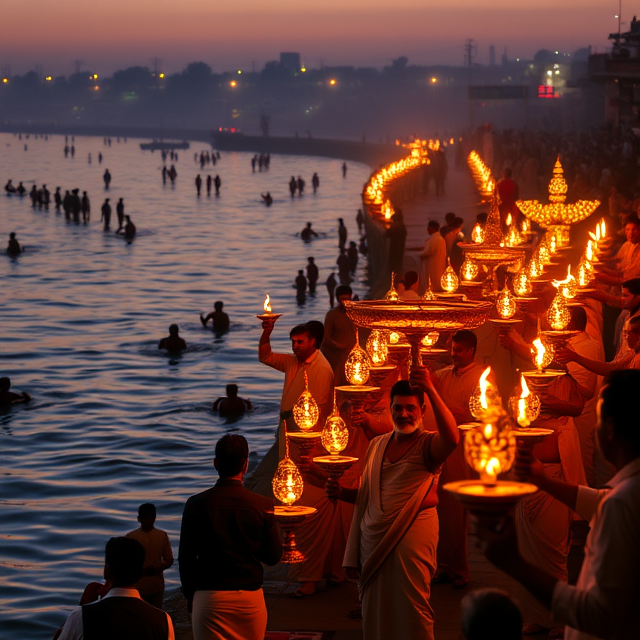
4. Aarti Ceremonies on the Ghats
The evening Ganga Aarti is a mesmerizing spiritual practice that captivates visitors. Held on the banks of the Ganga, this ritual involves the chanting of hymns, rhythmic drumming, and the lighting of oil lamps, which are floated down the river. The aarti symbolizes gratitude and devotion to the sacred river.
Tip: Arrive early to secure a good spot for viewing and experiencing the divine energy of the ceremony.
5. Darshan and Blessings from Saints
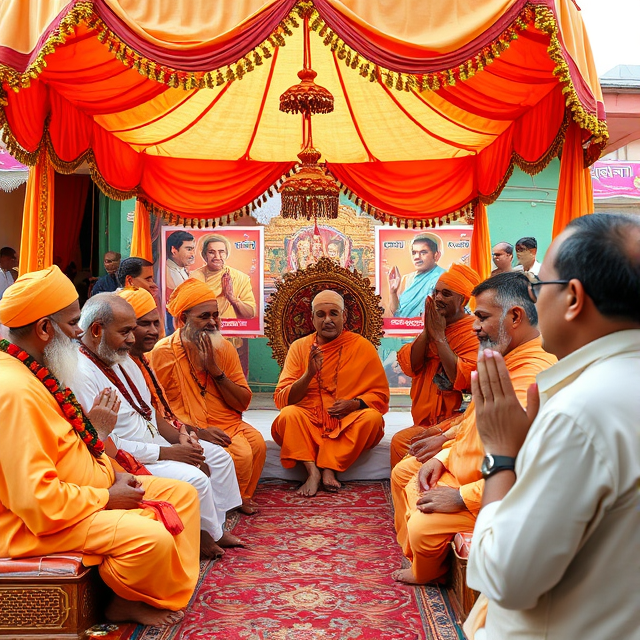
The Maha Kumbh Mela is a rare opportunity to meet and seek blessings from revered saints, sadhus, and spiritual leaders. These holy men and women offer wisdom, perform rituals, and provide guidance to those seeking spiritual growth.
Tip: Approach with respect and humility, and take the opportunity to learn from their profound experiences.
6. Pilgrimage to Temples and Sacred Sites
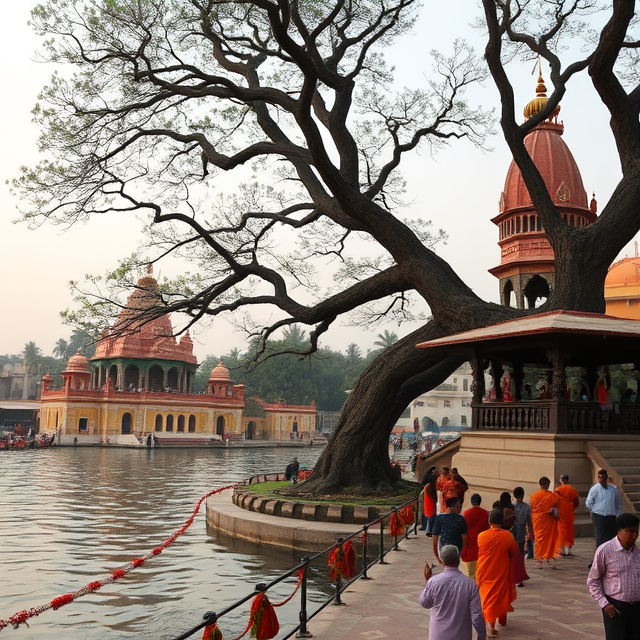
The city of Prayagraj is home to several ancient temples and sacred sites that hold immense spiritual significance. Visiting these places during the Maha Kumbh Mela 2025 amplifies the spiritual experience, connecting devotees to the divine.
Key Sites: Akshaya Vat (the immortal banyan tree), Bade Hanuman Mandir, and Sangam (the confluence of rivers).
7. Offering Prayers and Performing Pujas
Devotees often perform pujas (ritualistic prayers) at the ghats or in designated areas to seek blessings for themselves and their families. Special pujas like Pitru Tarpan (rituals for ancestors) and Maha Mrityunjaya Jaap (chants for protection) are particularly popular.
Tip: Consult with priests for personalized rituals and their significance.
8. Silent Reflection and Self-Discovery
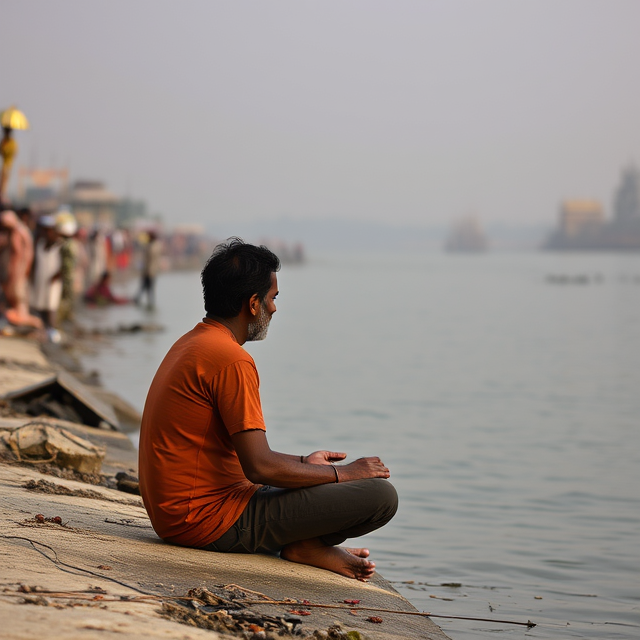
Amidst the vibrant chaos of the Kumbh Mela lies the opportunity for silent reflection. Many visitors choose to step away from the crowds to meditate or introspect, finding deeper meaning in their spiritual journey.
Tip: Explore quieter areas of the Mela grounds for solitude and self-discovery.
Conclusion
The Maha Kumbh Mela 2025 is a spiritual odyssey that offers countless practices to purify the soul and deepen your connection with the divine. Whether it’s taking the sacred dip, meditating by the ghats, or participating in vibrant aarti ceremonies, each activity contributes to an enriching spiritual experience. Plan your visit to embrace the transformative power of this timeless gathering, and leave with a renewed sense of faith and purpose.
The Maha Kumbh Mela 2025 is not only a deeply spiritual event but also a vibrant cultural celebration. Held once every 12 years in Prayagraj, the Kumbh Mela attracts millions of devotees, but it also draws artists, performers, and cultural enthusiasts from all over the world. The event offers a rich tapestry of cultural events and performances that add a unique dimension to this sacred gathering. In this blog, we will explore the diverse cultural experiences and performances that you can witness at the Maha Kumbh Mela 2025, enhancing your visit with a blend of devotion, art, and tradition.
1. Traditional Music and Dance Performances
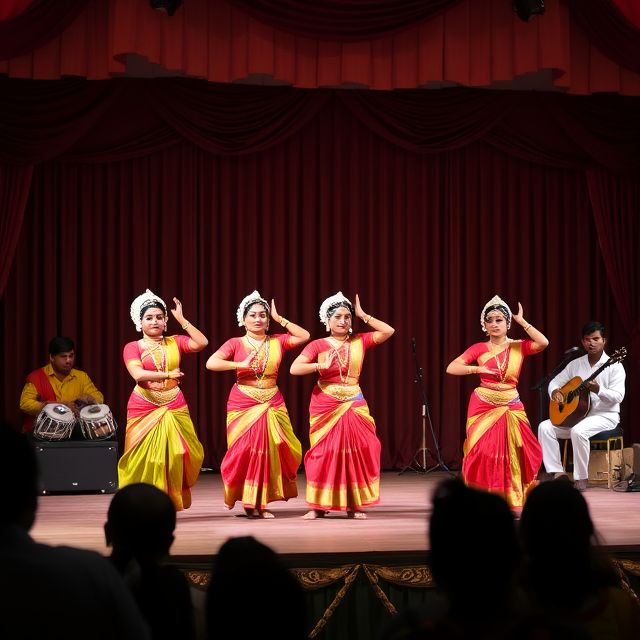
Music and dance are integral to the Maha Kumbh Mela 2025, creating an atmosphere that blends spirituality with artistic expression. Throughout the festival, devotees and visitors can enjoy performances of classical Indian music, devotional songs, and folk dances. You’ll find various artists performing kirtans (devotional singing), bhajans, and instrumental music in the open-air stages set up around the Mela grounds. Local dancers and performers showcase folk dances like Lavani, Kathak, and Bharatanatyam, bringing the cultural vibrancy of India to the Kumbh Mela.
Best Time to Experience: Early mornings and evenings when the atmosphere is calm, and the performances are at their peak.
2. Religious Processions and Cultural Parades
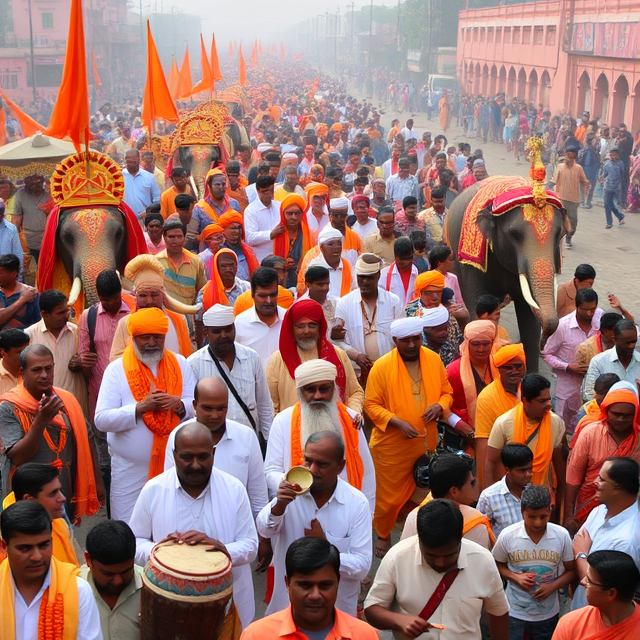
One of the most captivating cultural events at the Maha Kumbh Mela 2025 is the grand processions and parades. These colorful processions involve the Naga Sadhus (ascetics), priests, and other devotees, who march with sacred rituals to the bathing ghats. The processions are often accompanied by drumming, chanting, and the blowing of conch shells, creating an intense and reverent atmosphere. These parades offer visitors a glimpse into India’s rich religious and cultural traditions, with stunning displays of devotion and ritual.
Best Time to Experience: On auspicious dates like Shahi Snan, when the processions are at their grandest.
3. Yoga and Spiritual Seminars
The Maha Kumbh Mela 2025 is also an excellent opportunity to delve into India’s spiritual and wellness traditions. Several cultural events include yoga workshops and spiritual seminars, where renowned gurus and spiritual leaders gather to impart knowledge. Yoga enthusiasts can participate in group sessions to practice and learn from experts, while spiritual seekers can attend talks on meditation, Ayurveda, and other holistic practices. These sessions blend cultural insight with personal well-being, making the Mela an all-encompassing experience.
Best Time to Experience: Daily, as various seminars and workshops are scheduled throughout the day.
4. Art Exhibitions and Craft Fairs
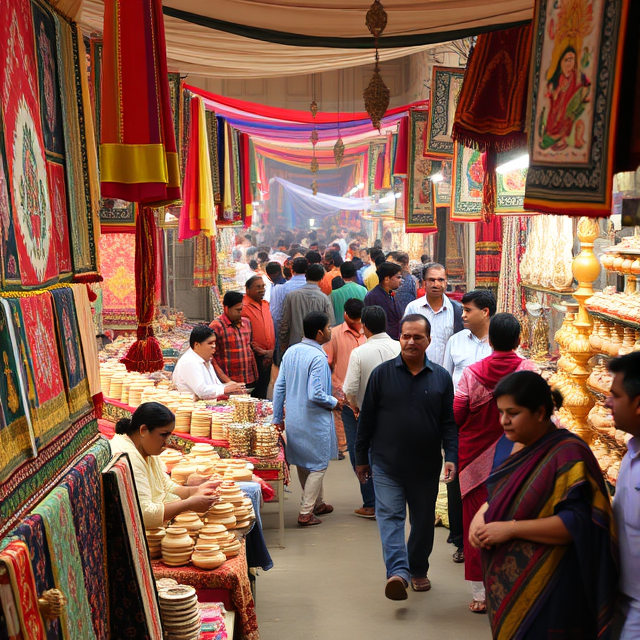
The Maha Kumbh Mela 2025 is not just a festival of religious rituals; it is also a celebration of India’s diverse art and craftsmanship. Visitors can explore numerous art exhibitions and craft fairs that showcase traditional Indian artwork, sculptures, pottery, textiles, and handicrafts. Many local artisans and vendors display their works, offering a wide array of handmade goods and souvenirs for visitors. These exhibitions provide an excellent opportunity to experience India’s rich cultural heritage while supporting local artisans.
Best Time to Experience: Throughout the Mela, with peak activity in the afternoons.
5. Themed Cultural Nights and Musical Performances
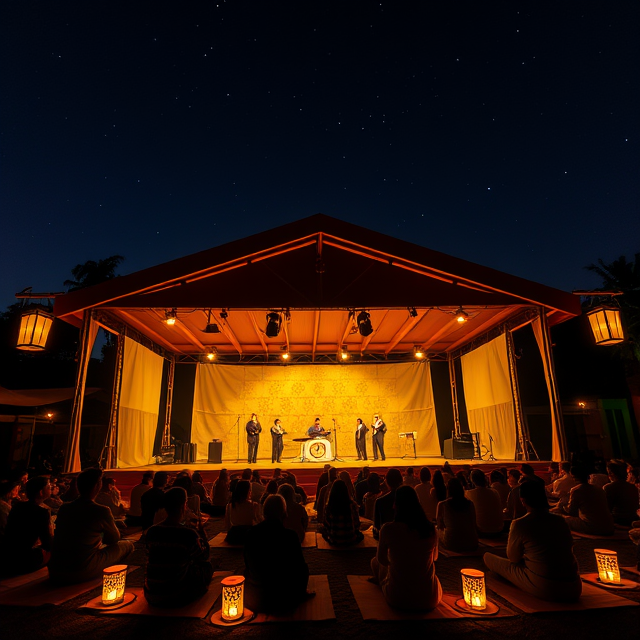
In addition to daytime cultural activities, the Maha Kumbh Mela 2025 hosts themed cultural nights filled with music, dance, and storytelling. Various cultural groups, from folk musicians to classical artists, perform on specially arranged stages under the stars. These nights feature performances that bring alive India’s classical and folk music traditions. The performances are held in various sections of the Mela, and each group of performers adds a unique flair to the atmosphere, enhancing the spiritual and cultural aura of the event.
Best Time to Experience: Evening, as the cultural nights are held after dusk, adding a magical element to the atmosphere.
6. Traditional Food and Culinary Experiences
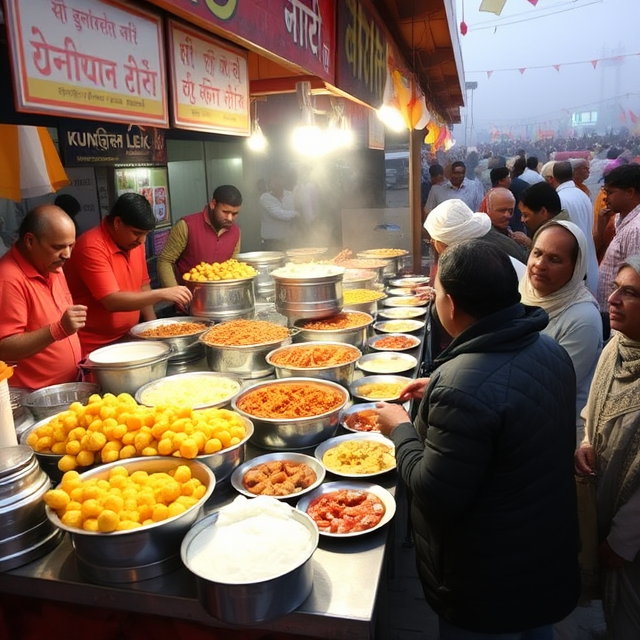
Food is an integral part of any cultural experience, and the Maha Kumbh Mela 2025 offers a delightful culinary journey. The Mela grounds are dotted with numerous stalls serving traditional Indian vegetarian food, sweets, and prasad (religious offerings). Regional delicacies from Uttar Pradesh, like Chole Bhature, Kachori, and Rabri, provide visitors with a taste of local cuisine. The food experience at the Mela offers an essential connection to India’s rich cultural diversity, bringing visitors closer to the roots of the country’s culinary traditions.
Best Time to Experience: Throughout the day, especially during breaks from the spiritual and cultural activities.
Conclusion
The Maha Kumbh Mela 2025 is much more than a religious gathering; it is a celebration of India’s cultural diversity, heritage, and spiritual practices. From classical music and dance performances to religious processions and art exhibitions, the cultural events at the Mela enrich the experience for visitors. The Maha Kumbh Mela 2025 offers an extraordinary blend of devotion and artistic expression, making it a must-visit for anyone interested in exploring the cultural fabric of India. Whether you’re a seeker of spiritual enlightenment or a lover of the arts, the cultural events at the Kumbh Mela promise to offer an unforgettable experience.
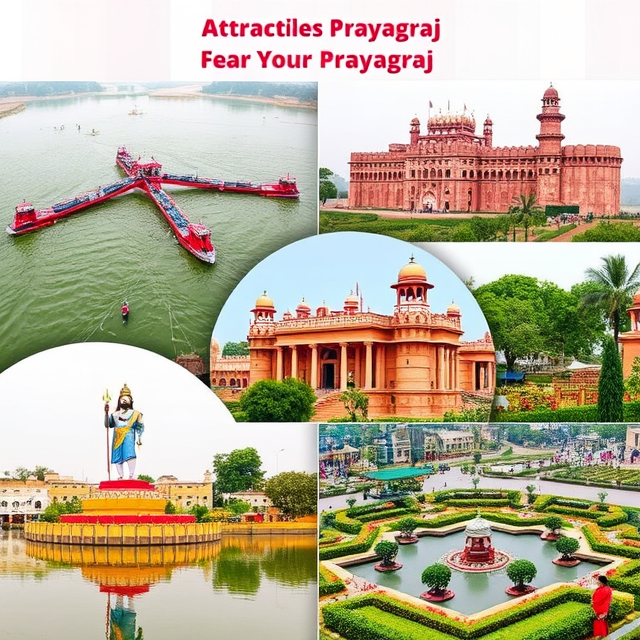
The Maha Kumbh Mela 2025 in Prayagraj is a once-in-a-lifetime experience for many spiritual seekers, tourists, and devotees. While attending the grand festival and participating in the sacred rituals is the primary reason for visiting, there are many other fascinating places around Prayagraj that are worth exploring. Whether you’re looking for historical sites, natural beauty, or cultural experiences, the vicinity of Prayagraj offers something for everyone. In this blog, we’ll explore the top 5 places to visit near Prayagraj during the Maha Kumbh Mela 2025, allowing you to enrich your journey with these remarkable attractions.
1. Triveni Sangam
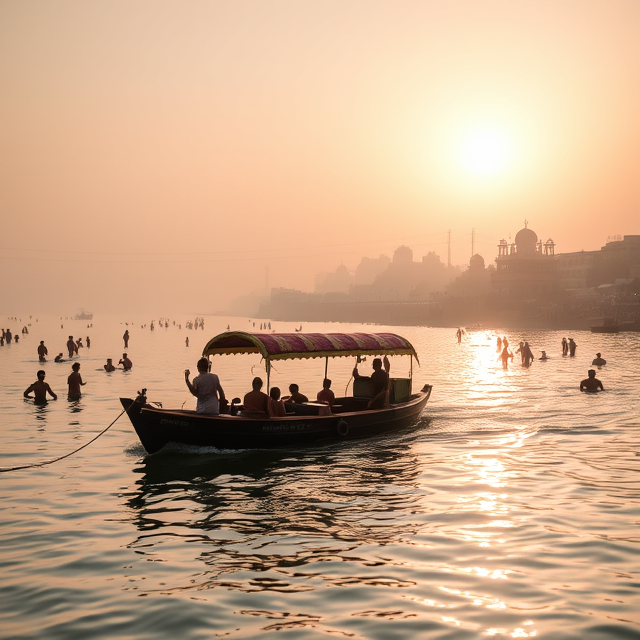
Located at the confluence of three rivers – the Ganges, Yamuna, and Sarasvati – the Triveni Sangam is the most sacred spot during the Maha Kumbh Mela 2025. The spiritual significance of this site is unmatched, and it draws millions of pilgrims who come to take a holy dip in its waters. Apart from its religious importance, the Triveni Sangam offers a serene atmosphere, especially at sunrise when the rivers are bathed in golden hues. You can also enjoy a boat ride to immerse yourself in the tranquil beauty of the confluence.
Distance from Prayagraj: 10 km (approx.)
Best time to visit: Early morning or during Shahi Snan dates for a spiritual experience.
2. Allahabad Fort
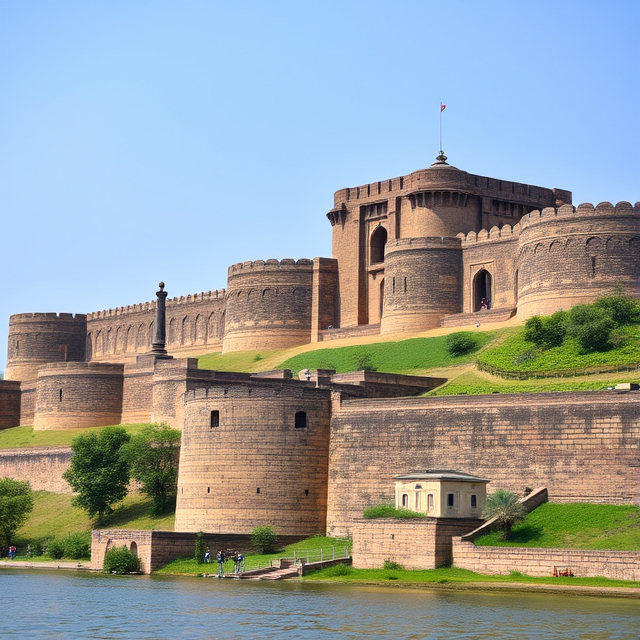
One of the most historically significant landmarks in Prayagraj is the Allahabad Fort, built by Emperor Akbar in 1583. The fort stands tall at the banks of the Yamuna River and is a perfect blend of architectural brilliance and historical grandeur. You can explore its impressive ramparts, and the iconic Ashoka Pillar, as well as the serene temples and beautiful gardens within the fort complex. The fort’s proximity to Triveni Sangam also makes it an ideal place to visit while in the area.
Distance from Prayagraj: 6 km (approx.)
Best time to visit: Early mornings or evenings for a peaceful exploration.
3. Anand Bhavan
If you’re a history enthusiast or someone interested in India’s freedom struggle, Anand Bhavan is a must-visit. This historical mansion was the ancestral home of Jawaharlal Nehru, the first Prime Minister of India. The museum here showcases artifacts, photographs, and mementos from the Nehru-Gandhi family, offering visitors a glimpse into India’s political history. The picturesque gardens surrounding the mansion are perfect for a peaceful retreat after a visit to the Kumbh Mela.
Distance from Prayagraj: 4.5 km (approx.)
Best time to visit: Late mornings or afternoons.
4. Bade Hanuman Ji Temple
Located in the heart of Prayagraj, the Bade Hanuman Ji Temple is dedicated to Lord Hanuman and is famous for housing one of the largest statues of Lord Hanuman in India. The statue stands at a towering 20 feet, making it a sight to behold. This temple is often visited by devotees during the Maha Kumbh Mela 2025, especially during the auspicious days of the festival. The atmosphere around the temple is spiritually uplifting, making it an essential place to visit during your trip.
Distance from Prayagraj: 3 km (approx.)
Best time to visit: Anytime, though early mornings are best to avoid crowds.
5. Khusro Bagh
For a break from the spiritual fervor, Khusro Bagh offers a peaceful and historical escape. This Mughal garden is dedicated to Khusrau, the son of Emperor Jahangir. The garden features beautiful tombs and mausoleums of Khusrau and his family, surrounded by lush greenery and tranquil pathways. It’s an excellent place to unwind, reflect, and enjoy a slice of Mughal architecture while taking a break from the Kumbh Mela festivities.
Distance from Prayagraj: 6 km (approx.)
Best time to visit: Mornings or late afternoons.
Conclusion
The Maha Kumbh Mela 2025 will undoubtedly be a life-changing spiritual journey, but there is much more to explore near Prayagraj. From the sacred Triveni Sangam to the historical allure of Allahabad Fort and Anand Bhavan, each of these attractions offers a unique experience that complements your visit to the Mela. Make sure to plan your trip well, as these places will provide a blend of spirituality, history, and culture, enriching your experience during the Kumbh Mela. Whether you’re a first-time visitor or returning for the Mela, the nearby attractions will make your journey even more memorable.
The Maha Kumbh Mela 2025 is an event like no other, attracting millions of pilgrims, tourists, and spiritual seekers to the banks of the holy river in Prayagraj, India. If you’re planning to attend this sacred gathering, finding the best accommodation during the Maha Kumbh Mela 2025 is crucial for a comfortable and enjoyable experience. With the massive influx of visitors, it can be challenging to find suitable lodging, but with some tips and insights, you can ensure a smooth stay.
Types of Accommodation During Maha Kumbh Mela 2025
When it comes to staying during the Maha Kumbh Mela 2025, there are several options, catering to different budgets and preferences. Let’s take a look at the best choices:
1. Tented Camps
The most popular choice for accommodation during the Maha Kumbh Mela 2025 is staying in the specially set-up tented camps. These camps are designed to accommodate the massive number of visitors while providing a spiritual and immersive experience. The camps are set up near the Kumbh Mela grounds, offering proximity to the sacred bathing ghats.
Pros: Affordable, proximity to event locations, a spiritual atmosphere.
Cons: Basic amenities, crowded during peak days.
2. Luxury Tents and Glamping
If you prefer more comfort, you can opt for luxury tents or glamping (glamorous camping) setups. These tents come with better facilities such as air conditioning, beds, private bathrooms, and 24/7 room service. For those looking for a more comfortable stay amidst the hustle of the Kumbh Mela, this is a great choice.
Pros: More comfort, privacy, and exclusive amenities.
Cons: Higher cost compared to regular tents.
3. Guesthouses and Hotels
While most of the accommodation options during the Maha Kumbh Mela 2025 are temporary, you’ll still find guesthouses and hotels in and around Prayagraj. These options offer a more permanent stay with access to modern amenities such as room service, Wi-Fi, and air conditioning.
Pros: Comfort, modern amenities, and privacy.
Cons: Limited availability, high demand, and increased pricing during the event.
4. Dharamshala and Ashrams
For those seeking a spiritual retreat, many dharamshalas (religious guesthouses) and ashrams (spiritual centers) offer accommodation. These places provide a serene and peaceful environment to reflect on your spiritual journey, and they usually charge modest fees. However, amenities might be basic, and the stay will likely be more communal.
Pros: Spiritual environment, low cost.
Cons: Basic amenities, communal living.
Tips for Finding the Best Accommodation During Maha Kumbh Mela 2025
Book Early Accommodation during the Maha Kumbh Mela 2025 fills up quickly, so it’s important to book your stay as early as possible. With the influx of millions of people, the demand for lodging skyrockets, especially around the Shahi Snan dates. Booking early will give you more options and better rates.
Choose Proximity to the Event If you’re attending the Maha Kumbh Mela 2025 for the rituals, it’s best to stay as close as possible to the Kumbh Mela grounds. This will allow you to easily participate in the activities, attend the bathing ceremonies, and explore the surrounding areas. Consider staying near the main ghats for a truly immersive experience.
Research Different Accommodation Options Do thorough research before finalizing your accommodation. Websites, social media groups, and travel forums often provide valuable insights from previous visitors. Make sure to compare prices, read reviews, and check amenities before making your choice.
Consider Transportation Access Prayagraj will be highly congested during the Maha Kumbh Mela 2025, so think about the transportation options available from your accommodation to the event grounds. Proximity to public transportation or the availability of shuttle services will make your commute easier and faster.
Prepare for Basic Amenities in Some Camps While luxury camps offer high-end amenities, some tented accommodations can be quite basic. Be prepared for minimal comforts and bring essentials like bedding, toiletries, and extra warm clothing. Check with your accommodation provider about what is included.
Look for Packages Many travel agencies and event organizers offer packaged deals that include accommodation, meals, and transportation during the Kumbh Mela. These can be a great option for first-time visitors, as they offer convenience and often cost savings.
Conclusion
Finding the best accommodation during the Maha Kumbh Mela 2025 can be challenging due to the large number of visitors, but with early planning and research, you can secure a stay that suits your needs. Whether you prefer a spiritual retreat in a dharamshala or a more luxurious experience in a tent, there are options for every budget. Remember to book early, stay close to the event grounds, and plan for transportation. With the right accommodations, your experience at the Maha Kumbh Mela 2025 will be truly unforgettable.
The Maha Kumbh Mela 2025 is one of the most awaited spiritual events in the world. This grand gathering, held once every 12 years, brings millions of pilgrims to the sacred banks of India’s holy rivers. Whether you’re planning to participate or witness the grand festivities, knowing the Kumbh Mela 2025 dates and schedule is essential for an unforgettable experience.
Key Dates for Maha Kumbh Mela 2025
The Maha Kumbh Mela 2025 will take place in Prayagraj, Uttar Pradesh, and it’s important to note the key dates to plan your visit accordingly. The event usually spans several weeks, and the bathing dates (Snan) are crucial for spiritual seekers and tourists alike. Here’s the tentative schedule:
Main Snan Dates (Shahi Snan) The primary bathings, such as the Shahi Snan, occur on the most auspicious days. The following are the expected dates:
Makar Sankranti (January 14, 2025): The first and one of the most significant Snan days.
Mauni Amavasya (February 8, 2025): The day of silence and deep reflection.
Basant Panchami (February 15, 2025): Celebrating the arrival of spring.
Mahashivaratri (February 21, 2025): Devotees offer prayers and participate in sacred baths.
Holi Snan (March 6, 2025): A joyous bathing celebration.
Festival Duration The Maha Kumbh Mela 2025 will stretch from January 14 to March 6, 2025, encompassing multiple days of sacred rituals, cultural activities, and religious gatherings.
Why These Dates Matter
The Kumbh Mela 2025 is not only about the religious significance but also about the cosmic alignment of planets, particularly during the Shahi Snan dates. These dates are carefully chosen based on the movement of celestial bodies, making them especially powerful for spiritual cleansing and rejuvenation.
Schedule Highlights
Rituals and Bathing Ceremonies The primary event of the Kumbh Mela is the ritual bath in the holy rivers. Devotees from around the world gather at the ghats to cleanse their soul and body. Each bathing day has a unique significance tied to Hindu mythology and astronomy.
Akahara Processions The procession of various akharas (spiritual sects) is one of the most spectacular sights during the Maha Kumbh Mela 2025. Watch as the saffron-robed sadhus march toward the river with chants, drums, and a sense of divine fervor.
Cultural Events In addition to the spiritual activities, you’ll also find cultural programs, music, dance, and art exhibitions showcasing India’s diverse heritage.
Tips for Planning Your Visit to Kumbh Mela 2025
Accommodation Since the Kumbh Mela attracts millions of visitors, make sure to book your accommodation in advance. There are options ranging from tents to luxury hotels in Prayagraj.
Travel Arrangements Public transport will be available, but it’s best to plan your journey early, especially during the Shahi Snan days when the crowds are at their peak.
Stay Safe and Respectful The Kumbh Mela is a deeply spiritual event. Remember to follow local customs, stay respectful of the rituals, and follow safety guidelines.
Prepare for the Weather Prayagraj can get chilly in January and February, so pack accordingly, especially if you plan to participate in the bathing rituals.
Conclusion
The Maha Kumbh Mela 2025 is a once-in-a-lifetime opportunity to experience India’s spiritual grandeur. By planning your visit around the key dates, you’ll be able to witness the immense energy and devotion that make this event so special. Don’t miss the chance to be part of this extraordinary cultural and spiritual journey.
The Maha Kumbh Mela 2025 is a spiritual gathering that draws millions of devotees seeking divine blessings and spiritual purification. One of the most significant rituals during this grand event is the Shahi Snan, or Royal Bath, in the sacred rivers. This blog delves into the profound meaning, history, and spiritual importance of the Shahi Snan.
The Spiritual Significance of Shahi Snan
The Shahi Snan is considered the pinnacle of the Maha Kumbh Mela. Devotees believe that taking a dip in the sacred rivers—Ganga, Yamuna, and the mystical Saraswati—during this auspicious time washes away sins, leading to liberation and spiritual renewal. The ritual aligns with cosmic events, enhancing its spiritual potency.
The Historical Legacy of Shahi Snan
The tradition of the Shahi Snan dates back thousands of years and is rooted in Hindu mythology. According to legend, the gods and demons churned the ocean for the nectar of immortality, and drops of this nectar fell at four locations: Prayagraj, Haridwar, Ujjain, and Nashik. These places became the sites of the Kumbh Mela, and the Shahi Snan symbolizes bathing in the nectar’s divine essence.
The Process of Shahi Snan
Royal Procession: The Shahi Snan begins with a grand procession of sadhus and saints from various akharas (spiritual sects). Adorned with saffron robes, garlands, and holy symbols, they march to the river with chants and music, creating an electrifying spiritual atmosphere.
Ritual Bath: The akharas take turns performing the ceremonial dip, followed by pilgrims. The bathing is performed with prayers and mantras, seeking blessings for oneself and humanity.
Why Shahi Snan Holds Cosmic Importance
The Shahi Snan is aligned with specific planetary positions that amplify spiritual benefits. Astrologers believe that during this time, the rivers transform into carriers of divine energy, offering unparalleled purification and blessings.
Tips for Witnessing the Shahi Snan
Arrive Early: The Shahi Snan attracts massive crowds, so reach the ghats early to secure a good spot.
Respect Rituals: Observe the ceremony with reverence and avoid disrupting the processions.
Stay Safe: Follow crowd management guidelines and listen to instructions from event organizers.
Conclusion
The Shahi Snan at the Maha Kumbh Mela 2025 is more than a ritual; it’s a transformative experience that connects individuals to their spiritual essence and cultural heritage. Whether you participate in the dip or simply witness the event, the Shahi Snan offers a glimpse into the profound spiritual traditions of India.
The Maha Kumbh Mela 2025 is a grand spiritual and cultural event that attracts millions of devotees and tourists from around the world. If you’re planning your first visit, this guide will help you navigate the vibrant and overwhelming experience with ease. From what to pack to how to participate in key rituals, here are essential tips to make the most of your journey.
1. Plan Ahead for Accommodation
Accommodation during the Maha Kumbh Mela fills up quickly due to the massive influx of visitors. Book your stay well in advance, whether it’s a hotel, guesthouse, or a tented camp near the venue.
2. Understand the Key Dates
The Mela features several important bathing dates, such as the Shahi Snan (Royal Bath). Knowing these dates can help you plan your visit around significant rituals and avoid overcrowded times.
3. Pack Wisely
Carry essentials like warm clothing, comfortable footwear, a reusable water bottle, and basic toiletries. A first-aid kit, flashlight, and power bank can also be lifesavers during your trip.
4. Stay Hydrated and Eat Safe
Amidst the festivities, ensure you drink clean, bottled water and eat freshly prepared food from hygienic stalls. Avoid uncooked items to prevent any health issues.
5. Use Public Transport
With restricted private vehicle access, opt for public transport like shuttle buses or shared autos. These are well-organized during the Mela to accommodate the large crowd.
6. Be Prepared for Crowds
The Maha Kumbh Mela is one of the largest gatherings in the world. Stay patient, follow crowd management guidelines, and avoid peak hours to enjoy a smoother experience.
7. Respect the Rituals
The Mela is deeply rooted in spirituality. Observe rituals respectfully, avoid taking intrusive photographs, and dress modestly to honor the cultural and religious significance of the event.
8. Stay Connected
Network connectivity may be weak due to the sheer number of attendees. Keep your family informed about your itinerary and use offline maps or guides for navigation.
9. Participate in the Ganga Aarti
Don’t miss the evening Ganga Aarti, a mesmerizing ritual involving lamps, chants, and the sacred river. Arrive early to secure a good spot to witness this spiritual spectacle.
10. Embrace the Experience
The Maha Kumbh Mela is more than an event; it’s a journey of faith, culture, and self-discovery. Keep an open mind and immerse yourself in the vibrant atmosphere of devotion and unity.
Conclusion
The Maha Kumbh Mela 2025 offers a once-in-a-lifetime opportunity to witness India’s rich spiritual heritage. By planning ahead and keeping these tips in mind, your first visit to this grand event can be both memorable and fulfilling.
The Maha Kumbh Mela 2025 is not just a festival; it is an extraordinary convergence of faith, tradition, and spirituality. Millions of devotees and curious travelers from across the globe gather to participate in this ancient event. Witnessing the sacred rituals at the Maha Kumbh Mela can be a life-changing experience, offering a deep connection to India’s spiritual roots. Let’s explore the top 10 rituals you must witness at the Maha Kumbh Mela 2025.
1. Shahi Snan (Royal Bath)
The highlight of the Maha Kumbh Mela, the Shahi Snan, sees sadhus from various Akharas taking a holy dip in the sacred rivers. It is believed to cleanse one of sins and bring spiritual enlightenment.
2. Naga Sadhu Procession
The Naga Sadhus, ascetics who renounce worldly life, lead vibrant processions. With ash-covered bodies and chants echoing in the air, this ritual is mesmerizing and symbolic of detachment from material life.
3. Kalpavas
Kalpavas involves devotees spending a month on the riverbank, living a simple life, meditating, and performing daily rituals. This act of devotion reflects unwavering faith and discipline.
4. Ganga Aarti
The evening Ganga Aarti is a visual and spiritual spectacle. Lit lamps, synchronized chants, and the serene river create a divine atmosphere, offering a sense of peace and reverence.
5. Akharas’ Rituals and Ceremonies
The Akharas, or spiritual groups, conduct unique rituals, debates, and discourses on spirituality and religion. Witnessing these ceremonies provides insight into India’s diverse spiritual heritage.
6. Annadanam (Food Donation)
The act of distributing food to devotees and sadhus is a significant part of the Maha Kumbh Mela. Annadanam symbolizes selfless service and sharing, core principles of Indian spirituality.
7. Spiritual Discourses and Bhajans
Renowned spiritual leaders deliver discourses, and bhajans (devotional songs) fill the air with divine energy. These sessions inspire devotees and foster a deep connection to their faith.
8. Ritualistic Pujas and Yagnas
Elaborate pujas and yagnas (fire rituals) are performed to seek blessings and invoke divine energies. These ancient practices are central to the Maha Kumbh Mela’s spiritual essence.
9. Astrological Consultations
Astrology plays a pivotal role at the Maha Kumbh Mela. Devotees consult astrologers to align their spiritual journeys with cosmic energies, reflecting the festival’s deep-rooted connection to celestial events.
10. Cultural Performances
Beyond spiritual rituals, cultural performances like traditional dances, music, and storytelling captivate attendees, showcasing India’s rich heritage and adding a festive vibe to the mela.
Conclusion
The Maha Kumbh Mela 2025 is a profound spiritual experience that offers a glimpse into India’s timeless traditions. Witnessing these top 10 rituals is not only an opportunity to immerse yourself in faith but also to understand the deep cultural and spiritual fabric of the country. Whether you’re a devotee or an observer, the Maha Kumbh Mela is a journey of enlightenment and discovery.
The Maha Kumbh Mela 2025 is not just a festival; it is a profound spiritual journey that embodies the rich tapestry of Indian culture and faith. Recognized as the world’s largest religious gathering, the Kumbh Mela attracts millions of pilgrims, saints, and travelers from across the globe. This article delves into the significance of this age-old tradition, its cultural impact, and its deep spiritual roots.
What is Kumbh Mela?
The Kumbh Mela is a sacred Hindu pilgrimage celebrated at four locations in India—Prayagraj, Haridwar, Nashik, and Ujjain. These sites are associated with the legendary battle between gods and demons over a pot (kumbh) of nectar, as described in Hindu mythology. The Maha Kumbh Mela, held every 12 years at Prayagraj, is the grandest of all, symbolizing a celestial alignment and divine blessings.
The festival is marked by ritualistic bathing in sacred rivers, prayers, cultural programs, and vibrant processions led by akharas (sects of ascetics).
The Mythological Significance
According to Hindu scriptures, during the churning of the ocean (Samudra Manthan), drops of the divine nectar spilled at four locations: Prayagraj, Haridwar, Nashik, and Ujjain. These places became sanctified, and bathing in their waters during the Kumbh Mela is believed to cleanse sins and grant liberation (moksha).
The Maha Kumbh Mela is a celebration of this divine event, aligning faith with celestial movements to amplify its spiritual potency.
Cultural Importance of Maha Kumbh Mela 2025
The Maha Kumbh Mela transcends religious boundaries, showcasing India’s cultural diversity and unity. Here’s why it holds immense cultural significance:
Preservation of Traditions: The festival keeps alive centuries-old rituals and practices, passed down through generations.
Cultural Exchange: Pilgrims and visitors from various regions bring their languages, art forms, and customs, creating a melting pot of cultures.
Global Attraction: The Kumbh Mela draws international attention, highlighting India’s rich spiritual heritage on a global platform.
Art and Craft: The festival is a hub for traditional crafts, spiritual literature, and local cuisines.
Rituals and Practices at Kumbh Mela
Holy Dip: The primary ritual is bathing in the sacred rivers to purify the soul. The confluence of the Ganges, Yamuna, and Saraswati at Prayagraj is considered the holiest spot.
Akharas Processions: Witness the royal entry of Naga Sadhus, clad in ash, with vibrant displays of devotion and spirituality.
Meditation and Discourse: Camps set up by spiritual leaders and ashrams provide opportunities for meditation, yoga, and spiritual teachings.
Charitable Acts: Acts of charity, such as feeding the needy and distributing clothes, are common during the Mela.
The Role of Celestial Alignments
The Maha Kumbh Mela’s timing is determined by specific planetary configurations, adding a cosmic dimension to its spiritual significance. The alignment of Jupiter, the Sun, and the Moon plays a crucial role, symbolizing divine intervention and blessings.
Maha Kumbh Mela 2025: A Spiritual Renaissance
The Maha Kumbh Mela 2025 promises to be a transformative experience. As millions gather at Prayagraj, the air will resonate with chants, devotional songs, and the spirit of unity.
This year’s event emphasizes eco-consciousness with sustainable practices like waste management, biodegradable materials, and awareness campaigns, ensuring that this sacred tradition aligns with modern environmental responsibilities.
Why Visit the Maha Kumbh Mela 2025?
Experience Spiritual Awakening: Immerse yourself in an atmosphere of unwavering faith and devotion.
Witness Cultural Diversity: From ascetics to global tourists, the gathering is a microcosm of humanity.
Once-in-a-Lifetime Event: The Maha Kumbh Mela happens only once every 12 years, making it a rare opportunity.
Photographic Opportunities: Capture the vibrant colors, spiritual fervor, and iconic processions.
Tips for First-Time Visitors
Plan Early: Accommodation and travel bookings fill up quickly during the Mela.
Stay Informed: Follow official updates on dates, safety guidelines, and crowd management.
Respect Local Customs: Be mindful of religious practices and maintain cleanliness.
Pack Essentials: Carry warm clothing, comfortable footwear, and personal hygiene products.
Conclusion
The Maha Kumbh Mela 2025 is more than a festival—it’s a journey through faith, culture, and the essence of humanity. It invites people from all walks of life to connect with their spiritual side, explore diverse traditions, and partake in an extraordinary celebration of life.
If you’re seeking an experience that combines spiritual growth with cultural immersion, the Maha Kumbh Mela 2025 is a must-visit. Witness the confluence of rivers and souls, and take home memories that will last a lifetime.