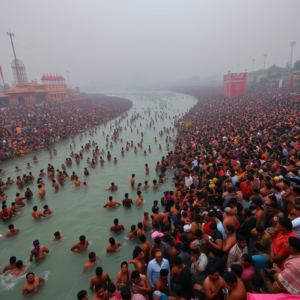
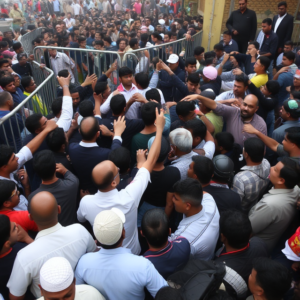
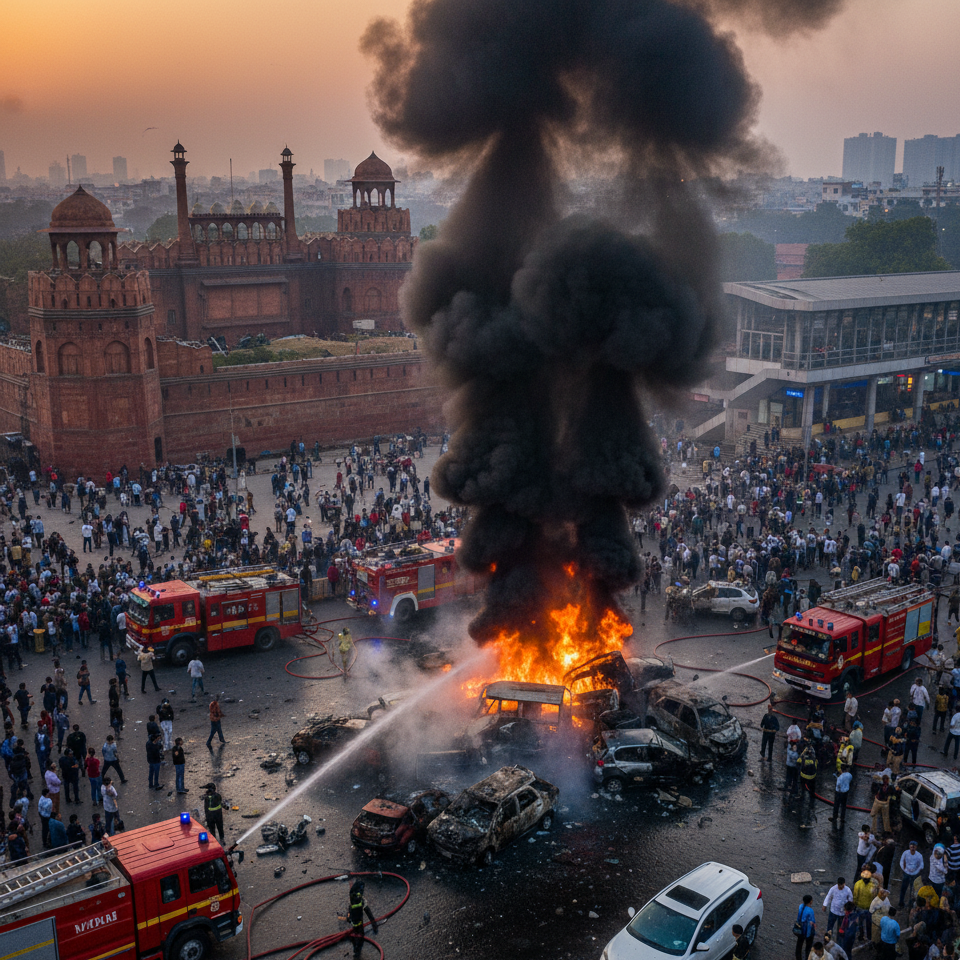
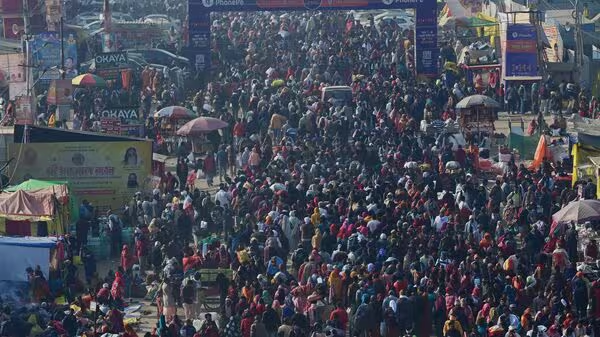
29 जनवरी 2025 को प्रयागराज में आयोजित महाकुंभ मेले के दौरान एक दर्दनाक भगदड़ मच गई, जिसमें कई लोगों की मौत हो गई और सैकड़ों घायल हो गए। यह घटना तब घटी जब लाखों श्रद्धालु संगम में पवित्र स्नान के लिए एकत्रित हुए थे। reuters.com भगदड़ के मुख्य कारण इस भगदड़ के पीछे कई कारण […]
29 जनवरी 2025 को प्रयागराज में आयोजित महाकुंभ मेले के दौरान एक दर्दनाक भगदड़ मच गई, जिसमें कई लोगों की मौत हो गई और सैकड़ों घायल हो गए। यह घटना तब घटी जब लाखों श्रद्धालु संगम में पवित्र स्नान के लिए एकत्रित हुए थे।
AI और ड्रोन निगरानी: अब मेले में AI-सक्षम CCTV कैमरे और ड्रोन निगरानी को बढ़ाया गया है।
विशेष ट्रेन सेवाएँ: भारतीय रेलवे ने इस आयोजन के लिए 350 से अधिक विशेष ट्रेनें चलाई हैं।
भीड़ नियंत्रण के नए नियम: पुलिस और स्वयंसेवकों को बेहतर रणनीति के साथ तैनात किया गया है ताकि भीड़ को व्यवस्थित रूप से नियंत्रित किया जा सके।
निष्कर्ष
महाकुंभ 2025 में हुई इस भगदड़ से यह स्पष्ट होता है कि भीड़ प्रबंधन को लेकर अधिक सतर्कता बरतने की आवश्यकता है। यदि सही समय पर उन्नत तकनीक, बेहतर प्रशासनिक उपाय, और जागरूकता कार्यक्रम लागू किए जाएँ, तो इस तरह की घटनाओं से बचा जा सकता है।
On January 29, 2025, a tragic stampede occurred during the Maha Kumbh Mela in Prayagraj, India, resulting in numerous fatalities and injuries. The incident took place in the early hours as tens of millions of devotees gathered for a holy dip at the confluence of the Ganges, Yamuna, and the mythical Saraswati rivers.
The exact cause of the stampede remains under investigation. Preliminary reports suggest that the massive influx of pilgrims led to overcrowding at key bathing sites. Security personnel struggled to manage the overwhelming crowds, leading to multiple stampedes.
The stampede resulted in significant loss of life and numerous injuries. The exact number of casualties is still being confirmed, with reports indicating at least 38 fatalities.
The tragedy has caused chaos and scenes of desperation as people search for missing loved ones.
Preventive Measures and Future Considerations
In response to the incident, authorities have enhanced crowd management measures. The use of AI-powered CCTV cameras and drones has increased surveillance across the Mela ground, while public announcements continue to guide the pilgrims.
Additionally, the Indian Railways has stated that more than 350 special trains to the Prayagraj region will not be canceled on Wednesday, ensuring that transportation remains available for pilgrims.
This tragedy underscores the critical need for effective crowd management strategies during large-scale religious events. Implementing advanced technologies, improving infrastructure, and ensuring clear communication can help prevent such incidents in the future.
Mahakumbh: A Spiritual Gathering That Transcends Religion and Unites Humanity
The Mahakumbh Mela, held every 12 years in Prayagraj, is renowned not only as the world’s largest spiritual congregation but also as a profound symbol of unity across diverse faiths and cultures. While rooted in Hindu tradition, Mahakumbh extends its arms to embrace humanity in its entirety, becoming a beacon of spiritual universality. Here’s how this magnificent festival transcends religion to unite people from all walks of life:
A Universal Spiritual Experience
The Essence of Spirituality
Beyond Doctrine: Mahakumbh is less about the specifics of religious doctrine and more about the universal quest for spiritual enlightenment. The act of taking a holy dip in the Ganga is symbolic of cleansing, not just for Hindus but for anyone seeking purity of heart and mind.
Shared Human Spirit: At its core, Mahakumbh celebrates the shared human spirit’s yearning for connection with the divine, peace, and community. This resonates with people of all faiths who recognize the commonality in spiritual pursuits.
Interfaith Participation
Diverse Attendees: It’s not uncommon to see Christians, Muslims, Buddhists, Sikhs, and followers of other paths at Mahakumbh, drawn by curiosity, respect for other cultures, or a personal spiritual quest.
Interfaith Dialogues: The festival often hosts discussions and sessions where leaders from different religions come together, fostering mutual respect and understanding.
Cultural Integration
A Melting Pot of Traditions
Cultural Exchange: Mahakumbh is a vibrant showcase of India’s cultural diversity, including music, dance, art, and cuisine from various regions and communities. This cultural amalgamation invites participation from all, regardless of their religious background.
Global Influence: With attendees from around the globe, Mahakumbh becomes a platform for cultural integration, where international visitors can share their own traditions, enriching the festival’s tapestry.
Education and Learning
Cultural Workshops: Workshops on yoga, meditation, and traditional arts are open to everyone, providing an educational component that transcends religious boundaries, focusing on wellness and cultural appreciation.
Spiritual Discourses: Even if centered on Hindu teachings, these sessions often touch on universal themes like compassion, truth, and the pursuit of knowledge, which are relevant to all humanity.
Unity in Diversity
Breaking Down Barriers
Inclusivity: Mahakumbh’s message of inclusivity is palpable as people from different castes, classes, and countries mingle, share meals, and participate in rituals together, demonstrating that spiritual gatherings can bridge societal divides.
Volunteerism: The festival’s success relies on volunteers from various backgrounds, showcasing how service transcends religious identity to bring people together for a common cause.
A Symbol of Peace
Celebration of Peace: The peaceful nature of Mahakumbh, despite its enormous scale, sends a powerful message about the potential for peace when humanity unites under the banner of spirituality.
Global Message: By hosting such a diverse crowd in harmony, Mahakumbh sends a message to the world about the possibility of coexistence and mutual respect among different faiths and cultures.
Environmental and Social Impact
Sustainable Practices
Universal Responsibility: The push towards making Mahakumbh environmentally sustainable resonates with global concerns, encouraging everyone to participate in conservation efforts, regardless of their faith.
Social Initiatives: The festival also becomes a platform for social initiatives like health camps, education drives, and women’s empowerment, showing how spiritual gatherings can contribute to societal betterment.
Conclusion
Mahakumbh Mela stands as a testament to the idea that spirituality can unite rather than divide. It’s a gathering where the search for the divine, the celebration of life, and the practice of compassion create bonds that go beyond religious labels. For those who attend, Mahakumbh is not just a festival; it’s a living example of how spirituality can foster peace, understanding, and a sense of global community, truly uniting humanity in one of the world’s most profound spiritual experiences.
Mahakumbh 2025: What It Means for Devotees Around the World
Mahakumbh Mela, held every 12 years in Prayagraj, is not just a monumental event for India but holds profound significance for devotees and spiritual seekers from around the globe. The 2025 Mahakumbh, occurring once in 144 years, amplifies this importance, making it a unique opportunity for spiritual renewal, cultural exchange, and global unity. Here’s what this grand event means for the international community of devotees:
Spiritual Significance
A Rare Celestial Alignment
Divine Opportunity: The 2025 Mahakumbh coincides with a rare astrological alignment believed to magnify the spiritual potency of the rituals. Devotees worldwide see this as a once-in-a-lifetime chance for spiritual purification, moksha (liberation), and to receive divine blessings directly from the confluence of Ganga, Yamuna, and the mythical Saraswati.
Global Pilgrimage: For many, Mahakumbh is the ultimate pilgrimage, drawing people from every corner of the world. This event allows devotees to connect with the universal aspects of Hindu spirituality, transcending geographical boundaries.
Cleansing of Sins and Spiritual Growth
Ritual Bathing: The holy dip during Mahakumbh is believed to cleanse one of all sins. For global devotees, this act symbolizes a fresh start, spiritual growth, and a deeper connection to their faith, often leading to significant life changes or spiritual awakenings.
Spiritual Discourses: With revered saints and scholars present, the festival offers a platform for spiritual learning, discourses on Vedic knowledge, and meditation, enriching the spiritual lives of attendees from diverse backgrounds.
Cultural Exchange and Unity
A Melting Pot of Cultures
Cultural Diversity: Mahakumbh attracts not only Hindus but also scholars, researchers, and enthusiasts from various cultures and religions. It becomes a vibrant showcase of art, music, dance, and cuisine, fostering a global dialogue on cultural practices and beliefs.
Unity in Diversity: The festival underscores the principle of unity in diversity. Devotees from around the world bring their unique traditions, which blend with Indian customs, creating a shared spiritual experience that celebrates humanity’s oneness.
Preservation and Sharing of Heritage
Cultural Education: For many international visitors, Mahakumbh serves as an educational journey into India’s spiritual heritage. It’s an opportunity to learn about ancient practices, rituals, and the philosophical underpinnings of Hinduism, promoting cultural preservation and understanding.
Global Outreach: Through media, social platforms, and personal experiences shared by attendees, the spiritual and cultural messages of Mahakumbh spread worldwide, influencing spiritual practices and cultural appreciation in distant lands.
Practical Implications for Global Devotees
Travel and Preparation
Logistical Planning: For devotees abroad, preparing for Mahakumbh involves significant travel and logistical planning, from visa arrangements to understanding festival etiquette. It’s a testament to their dedication to their spiritual journey.
Community Support: Many countries have Hindu communities organizing trips or support for those wishing to attend Mahakumbh, highlighting the global network of faith.
Environmental Consciousness
Sustainability Awareness: With the festival’s environmental challenges, international devotees often participate in or advocate for sustainable practices, contributing to global discussions on how to balance cultural celebration with ecological responsibility.
Conclusion
Mahakumbh 2025 is not just a national event but a global spiritual phenomenon. It’s an invitation for devotees around the world to immerse in a shared spiritual heritage, celebrate cultural unity, and partake in a journey towards self-realization. This festival transcends borders, offering a unique blend of spiritual growth, cultural exchange, and communal harmony, reinforcing the timeless message that spirituality unites us all.
The Influence of Mahakumbh on Indian Economy: Impact Beyond Pilgrimage
The Mahakumbh Mela, occurring every 12 years in Prayagraj, transcends its spiritual significance to become a catalyst for economic activity. This colossal event not only draws millions for pilgrimage but also significantly influences India’s economy through various channels. Here’s an in-depth look at how Mahakumbh impacts the economic landscape of the region and beyond.
Direct Economic Boost
Tourism and Hospitality
Accommodation and Food: With millions of visitors, there’s an unprecedented demand for lodging, food, and hospitality services. Local hotels, guest houses, and even homes turn into temporary accommodations, while street food vendors and restaurants see a surge in business.
Travel Services: The influx of pilgrims boosts transportation sectors, including railways, buses, and taxi services. Special trains and buses are arranged, leading to increased revenue for transport companies.
Local Trade and Craftsmanship
Market for Goods: The Mela becomes a vast marketplace for religious items, traditional crafts, clothes, and souvenirs. This not only supports local artisans and traders but also injects huge amounts of money into the local economy.
Temporary Employment: The event creates numerous job opportunities, from construction of temporary structures to managing crowds, providing work for both skilled and unskilled labor.
Indirect Economic Effects
Infrastructure Development
Urban Planning: Mahakumbh necessitates infrastructure upgrades like roads, bridges, sanitation, and water supply, which have long-term benefits for the local community, enhancing property values and living standards.
Future Tourism: The improvements made for the festival often lead to sustained tourism growth in the region, as the enhanced facilities attract more visitors post-event.
Influence on Agriculture and Local Produce
Demand for Local Products: The festival sees a spike in the demand for local agricultural products like fruits, vegetables, and grains, providing a direct benefit to farmers.
Cultural Exchange: Pilgrims from across India bring diverse culinary preferences, which sometimes leads to the adoption of new agricultural practices or products in the region.
Long-term Economic Implications
Investment and Entrepreneurship
Business Opportunities: Entrepreneurs find Mahakumbh an ideal time to launch businesses, from tech solutions for crowd management to eco-friendly products, fostering innovation.
Investment in the Region: The economic vibrancy of Mahakumbh often leads to increased investment in Prayagraj and surrounding areas, with businesses looking to capitalize on the enhanced infrastructure and visibility.
Cultural and Educational Impact
Promotion of Indian Culture: The global interest in Mahakumbh can elevate Indian cultural products in international markets, indirectly supporting the economy through exports and tourism.
Education and Skills Development: The event highlights the need for training in various fields, from hospitality to environmental management, encouraging educational initiatives that prepare the workforce for similar large-scale events.
Challenges and Sustainability
Managing the Environmental Footprint
While economically beneficial, the environmental impact of such an event is significant. Sustainable practices like waste management, renewable energy use, and river conservation are crucial to ensure that economic growth does not compromise environmental health.
Ensuring Economic Benefits are Widespread
There’s a challenge in ensuring that the economic benefits from Mahakumbh are equitably distributed, particularly to smaller vendors and local communities rather than just large businesses.
Conclusion
Mahakumbh Mela is more than a spiritual congregation; it’s an economic powerhouse with ripple effects felt long after the festival concludes. Its influence on tourism, local trade, infrastructure, and even agriculture showcases how a religious event can serve as a significant economic driver. However, the key lies in sustainable management to ensure that this economic boon translates into long-term prosperity without environmental degradation. Mahakumbh thus stands as a unique example of how cultural heritage can intertwine with economic development in modern India.
Mahakumbh Fashion: What to Wear and Pack for the Festival
Mahakumbh Mela is not just a spiritual pilgrimage but also a cultural experience where what you wear can significantly enhance your journey. The attire should respect the sacredness of the event, be practical for the weather, and comfortable for long hours of walking and participating in rituals. Here’s a detailed guide on dressing for the Mahakumbh Mela.
Understanding the Climate
Winter and Early Spring: Mahakumbh typically occurs in January and February, which means cooler temperatures, especially in the early morning and late evening. The days can get warm, so layering is key.
Morning and Evening: Light jackets, shawls, or stoles for warmth.
Daytime: Light, breathable fabrics to combat the sun’s heat.
What to Wear
For Men
Dhoti-Kurta or Kurta-Pyjama: Traditional and comfortable, these are ideal for participating in rituals. Choose cotton or linen for breathability.
Turbans or Caps: Not only do they add to the cultural vibe, but they also protect from the sun. White or light colors are preferred for their reflective properties.
Footwear: Sturdy sandals or shoes for walking on uneven ground. Consider something you can slip on and off easily for bathing rituals.
For Women
Salwar Kameez or Saree: Both are traditional and practical. Opt for fabrics like cotton or silk blends that are comfortable. Sarees should be pinned securely to manage movement.
Dupatta: A long scarf to cover the head, which is both culturally respectful and practical against the sun.
Footwear: Similar to men, opt for comfort with sandals that you can remove easily. If wearing traditional shoes like jutti, ensure they’re worn in to avoid blisters.
General Tips for All
Modesty: The festival environment calls for modest dressing. Avoid revealing clothes to show respect for the spiritual setting.
Colors: White and light colors are symbolic of purity but might get dirty quickly. A mix of light and colors that don’t show dirt as much could be practical.
Functional Clothing: Pockets or bags to keep essentials like money, phone, and small sacred items.
What to Pack
Clothing
Multiple Outfits: Pack enough changes of clothes considering the length of your stay and the dusty conditions.
Undergarments: Extra sets are crucial due to the frequent bathing rituals.
Swimwear: For bathing in the Ganges, though traditional attire is often preferred, having something quick-drying can be useful.
Accessories
Sunglasses and Hats: To protect from the sun.
Bandanas or Scarves: Useful for dust, keeping hair back, or as an extra layer for warmth.
Essentials
Water Bottle: Stay hydrated; reusable bottles are eco-friendly.
Sunscreen: Protect your skin from the sun.
Small Backpack or Sling Bag: For carrying essentials without the hassle.
Portable Charger: To keep your phone charged amidst heavy usage for navigation and communication.
Health and Hygiene
First Aid Kit: Include band-aids, painkillers, and any personal medications.
Sanitizers and Wet Wipes: For personal hygiene in crowded conditions.
Toiletries: Travel-sized versions for convenience.
Cultural Respect
Small Offerings: Flowers, incense, or small donations for rituals.
Conclusion
Your attire at Mahakumbh should balance between cultural respect, personal comfort, and practicality. By dressing appropriately, you not only ensure your comfort but also immerse yourself fully in the spiritual and cultural milieu of the festival. Remember, the focus is on the journey and the rituals, so while fashion is a part of the experience, it should facilitate rather than hinder your participation in this grand spiritual event.
Exploring the Role of Women in the Mahakumbh Festival
The Mahakumbh Mela, often seen as a grand spectacle of spiritual and cultural confluence, also shines a light on the pivotal roles women play within this vast event. Far from being mere participants, women are integral to the festival’s spiritual, organizational, and social fabric. Here’s an exploration of how women influence and are influenced by Mahakumbh.
Spiritual Leadership and Participation
Female Sadhus and Saints
Women, known as Sadhvis or Matajis, have a profound presence at Mahakumbh. They lead their own camps, known as “Akharas,” conducting discourses, leading rituals, and offering spiritual guidance. Their role in teaching and practicing Yoga and meditation adds a layer of inclusivity to the spiritual teachings, emphasizing that enlightenment is genderless.
Participation in Rituals
While historically some rituals were male-dominated, Mahakumbh has seen an increasing number of women actively participating in all aspects, including the Shahi Snan (royal bath). This participation symbolizes equality in spiritual practice and the breaking of gender stereotypes within religious contexts.
Organizational Contributions
Volunteers and Organizers
Women are at the forefront of organizing and managing the logistics of Mahakumbh. They volunteer in various capacities, from crowd control to medical assistance, showcasing their organizational prowess and commitment to community service. Women’s groups often lead initiatives for cleanliness, food distribution, and support services for elderly or disabled pilgrims.
Empowerment through Leadership
Mahakumbh has become a platform for women to take up leadership roles, whether in community organizations or as part of government initiatives aimed at making the festival more inclusive and safe for female attendees. This empowerment is further evidenced by women-led NGOs focusing on health, education, and safety during the event.
Cultural and Social Impact
Preservers of Tradition
Women often play the crucial role of preserving and passing down cultural practices, from traditional songs and dances to the art of rangoli or henna during Mahakumbh. They are the custodians of rituals, ensuring that the spiritual essence of Mahakumbh continues to thrive.
Social Change Agents
Mahakumbh also serves as a stage for women’s rights advocacy. The gathering of millions provides a unique opportunity to discuss and promote gender equality, education, and women’s health, with various organizations setting up camps for these purposes.
Economic Participation
Entrepreneurship and Trade
The festival is a marketplace for local artisans, many of whom are women. They sell everything from traditional clothing to handicrafts, providing economic empowerment through commerce. This not only supports their families but also plays a vital role in the local economy during Mahakumbh.
Skill Development
Workshops and training sessions held during the festival focus on skill development for women, teaching them about entrepreneurship, digital literacy, and other skills, leveraging the event’s large audience for educational purposes.
Challenges and Progress
Safety and Inclusivity
While progress has been made, challenges like ensuring safety and combating harassment persist. However, with each Mahakumbh, there’s a noticeable improvement in safety protocols, with women’s groups advocating for better security measures.
Changing Perceptions
The festival is slowly changing perceptions about women’s roles in public spiritual events. More women are seen in leadership positions, and there’s a growing acceptance of women’s equal participation in all aspects of Mahakumbh.
Conclusion
The role of women in the Mahakumbh festival is multifaceted, reflecting their strength, spirituality, and social influence. From leading spiritual sessions to driving economic activities, from volunteering to advocating for change, women are not just participants but pivotal contributors to this grand event. Mahakumbh, therefore, not only celebrates the confluence of sacred rivers but also the convergence of gender roles, highlighting the evolving dynamics of women in religious and cultural celebrations in India.
Mahakumbh 2025: How Local Communities are Preparing for the Mega Event
The Mahakumbh Mela, set to occur in Prayagraj in 2025, is not only one of the world’s largest spiritual gatherings but also a significant event for local communities. These communities are the backbone of this mega festival, playing a crucial role in its success through extensive preparations that go beyond mere logistical support. Here’s how the local populace is preparing for this monumental event.
Infrastructure and Urban Planning
Expanding Accommodations
Local communities are actively involved in creating temporary housing solutions like tent cities to accommodate millions. They work alongside government bodies to ensure these spaces are safe, hygienic, and accessible. Some families even convert their homes into guest houses, contributing to the festival’s lodging needs.
Traffic and Crowd Management
Residents are coordinating with local authorities to enhance road networks, set up directional signs, and manage parking spaces. Volunteers from the community are trained to assist in guiding pilgrims, ensuring smooth movement during peak times like the Shahi Snan.
Enhancing Services
Health and Safety
Local medical professionals and volunteers are setting up numerous health camps and first-aid stations throughout the Mela area. They undergo special training sessions to handle emergencies, focusing on crowd-related injuries, hydration, and sanitation issues.
Water and Sanitation
With the help of local NGOs and community groups, there’s a massive drive to install thousands of temporary toilets and water points. These efforts are part of the “Swachh Mahakumbh” initiative, aiming to maintain cleanliness and prevent pollution of the Ganga River.
Cultural and Spiritual Contributions
Hosting Cultural Programs
Communities are organizing cultural events, showcasing local arts, music, and dance, which not only entertain but also educate pilgrims about the region’s heritage. This includes setting up stages for traditional performances and art exhibitions.
Spiritual Guidance
Local priests, sadhus, and spiritual leaders are preparing to conduct discourses, yoga sessions, and rituals. They play a vital role in enriching the spiritual experience of attendees, often organizing camps for teaching Vedic practices and meditation.
Economic and Social Impact
Boosting Local Economy
The anticipation of Mahakumbh has led to a surge in local entrepreneurship, from food stalls to souvenir shops. Communities are training individuals in hospitality and small business management, turning the event into an economic opportunity.
Community Volunteering
There’s a strong sense of community service with locals volunteering for various roles, from waste management to lost and found services. This volunteerism not only aids in the event’s operations but also fosters a sense of unity and pride among residents.
Environmental Sustainability
Eco-Friendly Initiatives
Local groups are at the forefront of promoting sustainability. They’re advocating for the use of biodegradable materials, composting organic waste, and organizing clean-up drives post-event. Solar lighting installations are becoming common, reducing the environmental impact.
River Conservation
Given the festival’s proximity to the Ganga, there’s an increased focus on river conservation. Local communities are involved in awareness campaigns about not littering in the river and participating in river cleaning activities.
Conclusion
The preparation for Mahakumbh 2025 by the local communities of Prayagraj showcases a remarkable blend of cultural fervor, economic ambition, and environmental consciousness. It’s a testament to how such a large-scale event can galvanize local efforts, turning the challenge into an opportunity for growth, both spiritually and materially. As the festival approaches, these preparations will not only ensure a successful Mahakumbh but also leave a lasting legacy of community involvement and sustainable practices.
The Best Times to Visit Mahakumbh for Pilgrims and Tourists Alike
The Mahakumbh Mela, held every 12 years at the confluence of three sacred rivers in Prayagraj, is not just a monumental spiritual event but also a cultural spectacle. Both pilgrims and tourists can have enriching experiences; however, timing your visit correctly can significantly enhance your journey. Here’s a guide to the best times to attend Mahakumbh, catering to the needs of both spiritual seekers and cultural explorers.
For Pilgrims: The Sacred Bathing Dates
Shahi Snan (Royal Baths)
Makar Sankranti (January 14, 2025): This is one of the most auspicious days for taking a holy dip in the Ganges. It marks the sun’s transition into Capricorn, believed to be particularly potent for spiritual purification.
Mauni Amavasya (January 29, 2025): Known for its solemnity, this day is for silent meditation and bathing, promising spiritual growth through introspection.
Basant Panchami (February 3, 2025): Celebrated as the arrival of spring, this day is dedicated to Saraswati, the goddess of knowledge, making it ideal for those seeking wisdom.
Maghi Purnima (February 12, 2025) and Maha Shivratri (February 26, 2025): These days offer additional opportunities for spiritual cleansing and devotion.
For pilgrims, these dates are not just about the physical act of bathing but about participating in a collective spiritual experience, witnessing grand processions, and engaging in discourses by revered spiritual leaders.
For Tourists: Cultural Immersion and Crowd Management
Early in the Festival
Just After the Opening (Mid-January): Visiting right after the festival begins offers a chance to witness the setup, initial rituals, and a less crowded environment. This period is perfect for those interested in photography, cultural exploration, or those who prefer a quieter pilgrimage.
Mid-Festival
Between Major Bathing Days: If you’re looking for a balance between spiritual experience and manageable crowds, the days between the Shahi Snans are ideal. You can still partake in daily rituals, explore the vibrant markets, and enjoy cultural performances without the overwhelming density of pilgrims.
Towards the End
Before Maha Shivratri: This is a good time for tourists who want to experience the culmination of Mahakumbh’s festivities without the initial rush. The atmosphere remains charged with spiritual energy, and you can see preparations for the festival’s grand finale.
General Tips for All Visitors
Accommodation and Travel
Book Early: Whether you’re there for spiritual reasons or cultural exploration, securing accommodation well in advance is crucial due to the influx of visitors.
Transportation: Use the Mahakumbh app for updates on train and bus schedules. Special trains are often arranged, but they book up fast.
Health and Safety
Stay Hydrated: Carry water and health supplies. The medical facilities are well-equipped, but personal preparedness is key.
Crowd Awareness: Be mindful of crowd movements, especially on Shahi Snan days. Stay with your group and have a meeting point in case of separation.
Cultural Respect and Participation
Dress Appropriately: Modest attire is recommended, respecting the sacred nature of the event.
Participate in Cultural Events: From spiritual discourses to folk dances, there’s much to learn and enjoy. Engage respectfully with the local customs and rituals.
Conclusion
Whether you’re a pilgrim seeking spiritual purification or a tourist eager to experience one of the world’s largest cultural gatherings, Mahakumbh offers something unique at different times. By choosing the right moments to visit, you can maximize your experience of this ancient festival, blending spirituality with cultural immersion in the heart of India’s spiritual heritage.
Mahakumbh in the Modern World: Adapting to Technology and Innovation
The Mahakumbh Mela, a festival steeped in ancient traditions, has gracefully stepped into the modern era, leveraging technology and innovation to meet the needs of contemporary pilgrims and enhance the overall experience. This adaptation not only preserves the sanctity of the event but also ensures its relevance and accessibility in today’s fast-paced, tech-driven world.
Enhancing Pilgrim Experience
Digital Navigation and Crowd Management
GPS and Mobile Apps: The introduction of dedicated Mahakumbh apps has revolutionized how pilgrims navigate the vast festival area. These apps provide real-time updates on crowd density, important locations like bathing ghats, and emergency services, significantly improving safety and convenience.
Crowd Management Technologies: Using AI and IoT for crowd management, Mahakumbh employs technologies like smart surveillance cameras and predictive analytics to manage the flow of millions, ensuring that the event remains orderly and safe.
Virtual Reality (VR) and Augmented Reality (AR)
Virtual Pilgrimage: For those unable to attend in person, VR experiences of Mahakumbh allow for virtual participation, bringing the festival’s spiritual ambiance into homes worldwide. This not only extends the festival’s reach but also preserves its cultural significance for future generations.
AR for Education: AR applications at Mahakumbh offer interactive ways to learn about rituals, history, and mythology. By pointing their devices at certain locations or objects, pilgrims can access augmented information, making the festival an educational journey as well.
Sustainable Practices Through Technology
Solar Energy and Green Initiatives
Solar Power: Mahakumbh has seen the installation of solar panels across the festival grounds to power lights, charging stations, and even some administrative buildings, reducing the carbon footprint and setting an example for sustainable large-scale events.
Waste Management Tech: Innovative waste management systems, including smart bins that sort waste, and apps that inform about recycling points, help in keeping the event environmentally friendly, showing how technology can aid in preserving the sanctity of the Ganga River.
Communication and Connectivity
High-Speed Internet and Live Streaming
Broadband and Wi-Fi Zones: To keep pilgrims connected, Mahakumbh has expanded broadband coverage and set up Wi-Fi zones, allowing for seamless communication, especially crucial for emergencies or to share experiences with loved ones.
Live Streaming of Rituals: Key rituals and events are now live-streamed, enabling global participation and ensuring that everyone, regardless of physical presence, can witness the spiritual highlights of Mahakumbh.
Digital Donation and Charity
Online Donations: The integration of digital payment systems for donations makes giving back easier and more transparent, encouraging more people to contribute to the festival’s organization, charity, and environmental efforts.
Crowdfunding Platforms: These platforms are used to fund various aspects of Mahakumbh, from community projects to infrastructure, showcasing how technology can democratize participation in spiritual and cultural preservation.
Educating Through Technology
Digital Storytelling and Preservation
Digital Archives: Efforts are made to digitally document Mahakumbh, from chants and rituals to stories told by Sadhus. This not only preserves cultural heritage but also educates future generations about the festival’s significance.
Interactive Workshops: Utilizing technology, workshops on yoga, meditation, and even Vedic sciences are conducted, blending ancient knowledge with modern teaching methods to engage a tech-savvy audience.
Conclusion
Mahakumbh Mela’s embrace of technology and innovation illustrates a perfect synergy between tradition and modernity. By adapting to contemporary tools, the festival not only enhances the experience for millions of attendees but also ensures that its spiritual and cultural essence is preserved and shared with a global audience. This approach not only keeps Mahakumbh relevant but also positions it as a leader in how ancient festivals can evolve, catering to the needs of the modern world while maintaining their sacred core.