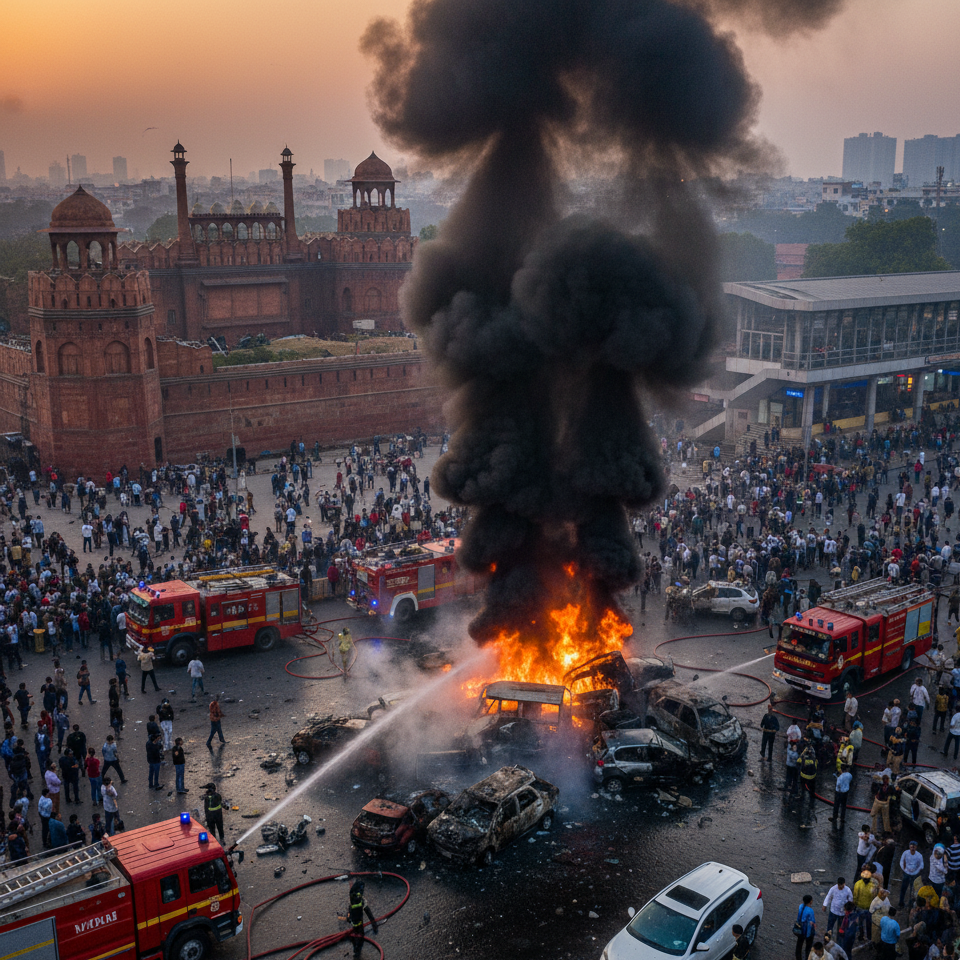
New Breaking: Car Blast Near Red Fort 8 Dead in Explosion
202516+
A powerful explosion rocked Delhi’s heart on November 10, 2025, when a car erupted in flames near Gate No. 1 of the Red Fort Metro Station, killing at least 8 people and injuring over 20. The blast, reported at 6:52 PM, sent shockwaves through the crowded Chandni Chowk area, shattering streetlights, damaging multiple vehicles, and […]
A powerful explosion rocked Delhi’s heart on November 10, 2025, when a car erupted in flames near Gate No. 1 of the Red Fort Metro Station, killing at least 8 people and injuring over 20. The blast, reported at 6:52 PM, sent shockwaves through the crowded Chandni Chowk area, shattering streetlights, damaging multiple vehicles, and igniting fires that gutted three to four nearby cars. As emergency teams rushed to the scene, the incident has triggered a high alert across Delhi, Mumbai, Uttar Pradesh, Haryana, and Kolkata, with the National Investigation Agency (NIA) and National Security Guard (NSG) joining the probe.
The blast’s intensity was staggering—eyewitnesses described it as an “earthquake” that flung cars 150 meters and shattered windows in adjacent buildings. Delhi Police Commissioner Satish Golcha confirmed the explosion occurred in a “slow-moving vehicle stopped at a red light,” with 2-3 people inside. Seven fire tenders and 15 ambulances responded swiftly, dousing the flames and rushing the injured to LNJP Hospital, where eight fatalities were declared. Forensic teams are on-site, and the area remains cordoned off, with no immediate claim of responsibility. This comes hours after a 2,900 kg explosives seizure in Faridabad, though police sources say no direct link yet.
The **Delhi car blast near Red Fort** has heightened security at religious sites and borders, with nakabandis and random checks ordered. Prime Minister Narendra Modi spoke with Home Minister Amit Shah, directing a thorough investigation. X users shared harrowing videos of the aftermath—smoking wreckage, panicked crowds, and rescue efforts—while locals recounted the terror: “It felt like we were all going to die,” said a shopkeeper near Chandni Chowk. The incident disrupts daily life in this UNESCO heritage hub, a magnet for tourists exploring Mughal history and street food.
Travel & Safety Advisory: What Delhi Visitors Need to Know
Immediate Closures: Red Fort Metro Station suspended; avoid Chandni Chowk until further notice. Alternate routes: Chandni Chowk Metro or rickshaws from Jama Masjid.
Security Boost: Enhanced checks at monuments like India Gate and Qutub Minar; expect delays at airports (IGI Terminal 3).
Safe Alternatives: Head to South Delhi (Hauz Khas Village for food) or Noida for shopping; monitor Delhi Police alerts via app.
For travelers, the **Delhi car blast near Red Fort** is a reminder of urban vigilance—stick to official updates and avoid crowded spots tonight. Support victims via PM Relief Fund; prayers for the bereaved. Stay safe—Delhi’s spirit endures.
Share updates or experiences below. #DelhiBlast #RedFortExplosion
The Bulletin of the Atomic Scientists has set the Doomsday Clock to 89 seconds before midnight in 2025, marking the closest approach to global catastrophe since its creation in 1947. This adjustment underscores escalating threats to international security.
Factors Leading to the Doomsday Clock’s Adjustment
Several critical issues have influenced this decision:
Nuclear Threats: The ongoing conflict in Ukraine has heightened concerns over nuclear escalation, with Russia’s aggressive actions and nuclear rhetoric contributing to global instability.
Climate Change: Despite increased investments in low-carbon energy, the acceleration of climate change remains a significant concern. The year 2024 was recorded as the hottest year to date, emphasizing the urgency for effective climate action.
Emerging Technologies: Rapid advancements in artificial intelligence and biotechnology present dual-use dilemmas, where beneficial technologies could be repurposed for harmful applications, posing new security challenges.
The adjustment of the Doomsday Clock serves as a stark warning about the precarious state of global security. It emphasizes the need for immediate and coordinated international efforts to address these existential threats. Without decisive action, the probability of global disaster increases, underscoring the critical importance of global cooperation and proactive policy measures.
29 जनवरी 2025 को प्रयागराज में आयोजित महाकुंभ मेले के दौरान एक दर्दनाक भगदड़ मच गई, जिसमें कई लोगों की मौत हो गई और सैकड़ों घायल हो गए। यह घटना तब घटी जब लाखों श्रद्धालु संगम में पवित्र स्नान के लिए एकत्रित हुए थे।
AI और ड्रोन निगरानी: अब मेले में AI-सक्षम CCTV कैमरे और ड्रोन निगरानी को बढ़ाया गया है।
विशेष ट्रेन सेवाएँ: भारतीय रेलवे ने इस आयोजन के लिए 350 से अधिक विशेष ट्रेनें चलाई हैं।
भीड़ नियंत्रण के नए नियम: पुलिस और स्वयंसेवकों को बेहतर रणनीति के साथ तैनात किया गया है ताकि भीड़ को व्यवस्थित रूप से नियंत्रित किया जा सके।
निष्कर्ष
महाकुंभ 2025 में हुई इस भगदड़ से यह स्पष्ट होता है कि भीड़ प्रबंधन को लेकर अधिक सतर्कता बरतने की आवश्यकता है। यदि सही समय पर उन्नत तकनीक, बेहतर प्रशासनिक उपाय, और जागरूकता कार्यक्रम लागू किए जाएँ, तो इस तरह की घटनाओं से बचा जा सकता है।
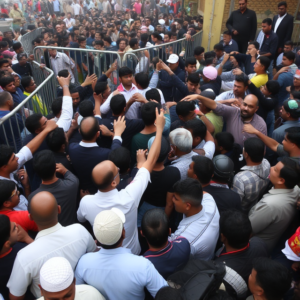
On January 29, 2025, a tragic stampede occurred during the Maha Kumbh Mela in Prayagraj, India, resulting in numerous fatalities and injuries. The incident took place in the early hours as tens of millions of devotees gathered for a holy dip at the confluence of the Ganges, Yamuna, and the mythical Saraswati rivers.
The exact cause of the stampede remains under investigation. Preliminary reports suggest that the massive influx of pilgrims led to overcrowding at key bathing sites. Security personnel struggled to manage the overwhelming crowds, leading to multiple stampedes.
The stampede resulted in significant loss of life and numerous injuries. The exact number of casualties is still being confirmed, with reports indicating at least 38 fatalities.
The tragedy has caused chaos and scenes of desperation as people search for missing loved ones.
Preventive Measures and Future Considerations
In response to the incident, authorities have enhanced crowd management measures. The use of AI-powered CCTV cameras and drones has increased surveillance across the Mela ground, while public announcements continue to guide the pilgrims.
Additionally, the Indian Railways has stated that more than 350 special trains to the Prayagraj region will not be canceled on Wednesday, ensuring that transportation remains available for pilgrims.
This tragedy underscores the critical need for effective crowd management strategies during large-scale religious events. Implementing advanced technologies, improving infrastructure, and ensuring clear communication can help prevent such incidents in the future.
On January 27, 2025, Selena Gomez shared an emotional video on Instagram, tearfully expressing her distress over the recent mass deportations under President Trump’s administration. In the now-deleted video, Gomez, of Mexican-American heritage, lamented, “All my people are getting attacked, the children. I don’t understand. I’m so sorry, I wish I could do something, but I can’t.”
The video elicited a mixed response. Critics accused Gomez of being out of touch and engaging in performative activism. Conservative commentator Tomi Lahren criticized her for prioritizing the wrong issues.
Conversely, supporters defended Gomez, highlighting her Mexican heritage and history of advocating for immigrant rights, including her 2019 Netflix documentary “Living Undocumented.”
Gomez’s video reignited discussions on the impact and authenticity of celebrity involvement in political and social issues. While some argue that celebrities can amplify important causes, others question their understanding and the effectiveness of their advocacy. Gomez’s emotional plea underscores the challenges public figures face when addressing complex topics, balancing personal convictions with public expectations.
Conclusion
Selena Gomez’s heartfelt response to U.S. deportation policies has sparked a broader conversation about the role of celebrities in activism. Her actions highlight the potential for public figures to influence discourse, as well as the scrutiny they may encounter.
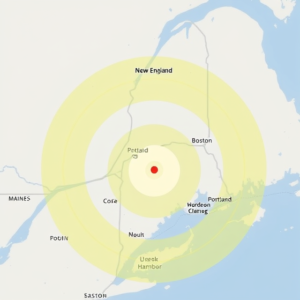
On January 27, 2025, at 10:22 a.m., a magnitude 3.8 earthquake struck near York Harbor, Maine, shaking areas from Portland to Boston. The quake originated approximately 12 miles underground.
New England’s seismic activity is primarily due to intraplate stresses within the North American Plate. Unlike regions near tectonic plate boundaries, these earthquakes result from internal forces causing faults to slip. While the exact fault responsible for this event is undetermined, such occurrences, though uncommon, are not unprecedented in the area.
Residents reported brief shaking lasting 5 to 8 seconds, causing homes and buildings to tremble. Despite the widespread sensation, there were no significant damages or injuries reported. The event served as a reminder of the region’s vulnerability to seismic activities.
Assemble an Emergency Kit: Prepare a kit with essentials like water, non-perishable food, medications, flashlights, batteries, and important documents.
During the Quake: Practice “Drop, Cover, and Hold On.” Drop to your hands and knees, cover your head and neck, and hold on to sturdy furniture until the shaking stops.
After the Quake: Check for injuries and hazards, such as gas leaks or structural damage. Be prepared for aftershocks and stay informed through local news sources.
While significant earthquakes are rare in New England, this event underscores the importance of preparedness. By taking proactive measures, residents can enhance their safety and resilience against future seismic activities.
In a groundbreaking development, Chinese startup DeepSeek has unveiled an AI assistant that is poised to disrupt the artificial intelligence landscape, challenging industry giants like Nvidia. This innovation has not only showcased China’s rapid advancements in AI but has also sent ripples through global tech markets.
DeepSeek’s AI Assistant: A New Contender
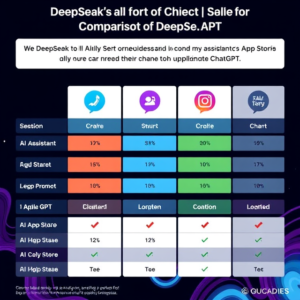
Launched recently, DeepSeek’s AI assistant has quickly become the most downloaded free app on Apple’s iPhone store, surpassing established competitors like OpenAI’s ChatGPT. This rapid ascent has raised eyebrows in the U.S. tech industry, particularly due to DeepSeek’s cost-effective approach to AI development.
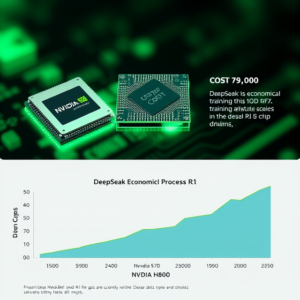
DeepSeek’s AI model, named R1, demonstrates advanced reasoning capabilities while maintaining cost efficiency. Remarkably, the company achieved this by utilizing Nvidia’s lower-performance H800 chips, keeping training costs under $6 million—a fraction of the expenditure by U.S. tech giants. This approach challenges the prevailing notion that cutting-edge AI development necessitates substantial financial and computational resources.
The debut of DeepSeek’s AI assistant has had immediate financial repercussions. Nvidia, heavily reliant on AI chip demand, experienced a significant stock decline, with a 17% drop in market value. This event has prompted a reevaluation of AI infrastructure investments and raised concerns about the future demand for high-end AI chips.
DeepSeek’s success has ignited discussions about the evolving dynamics of the AI industry. By leveraging open-source models and innovative scaling techniques, the startup has positioned itself as a formidable competitor to U.S. AI companies. This development underscores the shifting balance in AI innovation and the potential for emerging players to disrupt established market leaders.
DeepSeek’s AI breakthrough exemplifies the rapid advancements in AI technology and highlights the potential for startups to challenge industry incumbents. As the AI landscape continues to evolve, the emergence of cost-effective and efficient models like DeepSeek’s R1 may redefine the competitive dynamics of the tech industry.
In the digital age, content moderation is crucial for maintaining safe and respectful online environments. As platforms grapple with vast amounts of user-generated content, the debate intensifies over the optimal balance between automated systems and human oversight.
The Rise of Automated Content Moderation
Advancements in artificial intelligence (AI) have enabled platforms to implement automated content moderation tools. These systems can swiftly identify and filter content that violates community guidelines, such as hate speech, graphic violence, and explicit material. The primary advantage of automation lies in its efficiency and scalability, allowing platforms to manage large volumes of content in real-time.
Despite the capabilities of AI, human oversight remains indispensable. Automated systems may struggle with context, sarcasm, and cultural nuances, leading to potential misclassifications. Human moderators provide the nuanced judgment necessary to interpret complex situations, ensuring that content moderation decisions align with community standards and ethical considerations.
The future of content moderation lies in integrating AI with human expertise. A hybrid approach leverages the speed and scalability of automation while retaining the contextual understanding and ethical judgment of human moderators. This collaboration can enhance the accuracy of content moderation, reduce the burden on human reviewers, and foster a safer online environment.
Implementing a balanced content moderation strategy presents challenges. Ensuring that AI systems are trained on diverse and representative datasets is crucial to minimize biases. Additionally, maintaining transparency in moderation processes and providing avenues for users to appeal decisions are vital for upholding trust and accountability.
Conclusion
As digital platforms continue to evolve, the integration of automated systems with human oversight will be pivotal in shaping the future of content moderation. By embracing a balanced approach, platforms can effectively manage content at scale while upholding the values of fairness, transparency, and user safety.
The Impact of Policy Changes on Social Media Content
Social media platforms are continually evolving, with policy changes significantly influencing the content users encounter. These modifications can affect content moderation, user engagement, and the overall digital landscape.
Recent Policy Shifts and Their Implications
In January 2025, Meta (formerly Facebook) announced a series of policy changes across its platforms. Notably, Meta discontinued its internal fact-checking program, opting instead for a “Community Notes” system. This system allows users to add contextual notes to posts, with the community determining their relevance. Additionally, Meta relaxed certain moderation practices, focusing more on severe and illegal content. These changes have sparked discussions about the balance between free speech and the need to combat misinformation.
Similarly, Pakistan’s parliament passed a bill granting the government extensive control over social media. The legislation empowers authorities to imprison users for spreading disinformation and mandates the creation of an agency to block unlawful content. Critics argue that this bill could stifle freedom of expression and lead to increased censorship.
Policy changes in social media are not limited to individual countries. Globally, there is a growing trend toward regulating social media platforms to address issues like misinformation, hate speech, and user privacy. For instance, the European Union has been proactive in implementing regulations aimed at holding tech companies accountable for the content shared on their platforms. These regulations often require platforms to take more responsibility for the content they host, leading to significant changes in content moderation practices.
Implications for Users and Content Creators
For users, policy changes can alter the type of content they see and interact with. Relaxed moderation policies might lead to increased exposure to diverse viewpoints but also raise concerns about the spread of misinformation. Conversely, stricter regulations can enhance content quality but may limit the diversity of opinions and discussions.
Content creators must adapt to these policy shifts to maintain their reach and engagement. Understanding the evolving rules is crucial for creating content that aligns with platform guidelines and resonates with audiences.
Conclusion
Policy changes on social media platforms have profound effects on the content landscape. As platforms adjust their policies, they influence the information users access and the way content is created and shared. Staying informed about these changes is essential for users and content creators to navigate the digital environment effectively.
Intersection of Technology and Policy in Content Moderation
In today’s digital landscape, the convergence of technological advancements and policy frameworks plays a pivotal role in shaping online discourse. Content moderation—the practice of monitoring and managing user-generated content on digital platforms—has become a focal point of this intersection. This blog delves into how technology and policy intersect in content moderation, highlighting the challenges, developments, and future directions.
Technological Innovations in Content Moderation
Advancements in artificial intelligence (AI) and machine learning have revolutionized content moderation. Automated systems can now analyze vast amounts of data to detect and filter harmful content, such as hate speech, misinformation, and explicit material. However, these technologies often struggle with context and nuance, leading to potential over-censorship or failure to identify subtle violations. For instance, AI models may misinterpret sarcasm or cultural references, resulting in inaccurate content removal.
Governments worldwide are grappling with how to regulate content moderation without infringing on free speech. The European Union’s Digital Services Act (DSA) aims to hold platforms accountable for illegal content while respecting user rights. Similarly, the United States has seen discussions around Section 230 of the Communications Decency Act, which provides platforms with immunity from liability for user-generated content. Balancing regulation with the protection of free expression remains a contentious issue.
Transparency in content moderation practices is crucial for building user trust. Platforms are increasingly expected to disclose their moderation policies, decision-making processes, and the use of AI in content filtering. Initiatives like the Center for Democracy and Technology’s efforts emphasize the importance of clear communication between platforms and users regarding content moderation.
A multi-stakeholder approach is essential in developing effective content moderation policies. Engaging diverse groups—including governments, tech companies, civil society, and users—ensures that policies are comprehensive and consider various perspectives. This collaborative effort can lead to more balanced and effective moderation strategies.
The future of content moderation lies in harmonizing technological capabilities with robust policy frameworks. As AI technologies advance, they will become more adept at understanding context and cultural nuances, reducing the risk of over-censorship. Simultaneously, evolving policies will need to address emerging challenges, such as the moderation of encrypted communications and the role of AI in content creation. Ongoing dialogue among stakeholders is essential to navigate these complexities and ensure that content moderation practices uphold democratic values and human rights.
Conclusion
The intersection of technology and policy in content moderation is a dynamic and evolving field. As digital platforms continue to influence public discourse, it is imperative to develop moderation practices that are both effective and respectful of fundamental rights. By fostering collaboration among technologists, policymakers, and users, we can create a digital environment that promotes healthy and constructive online interactions.