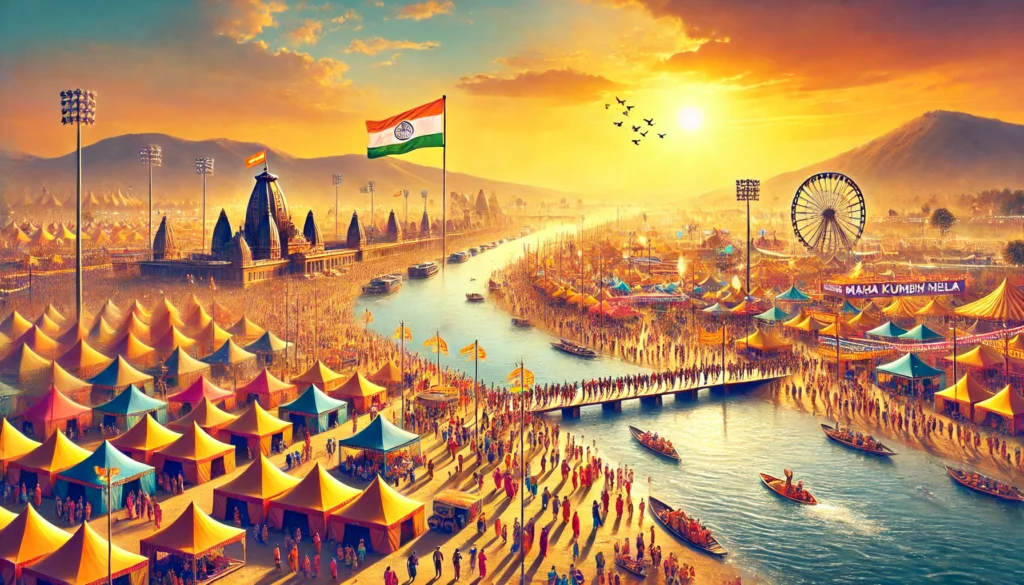
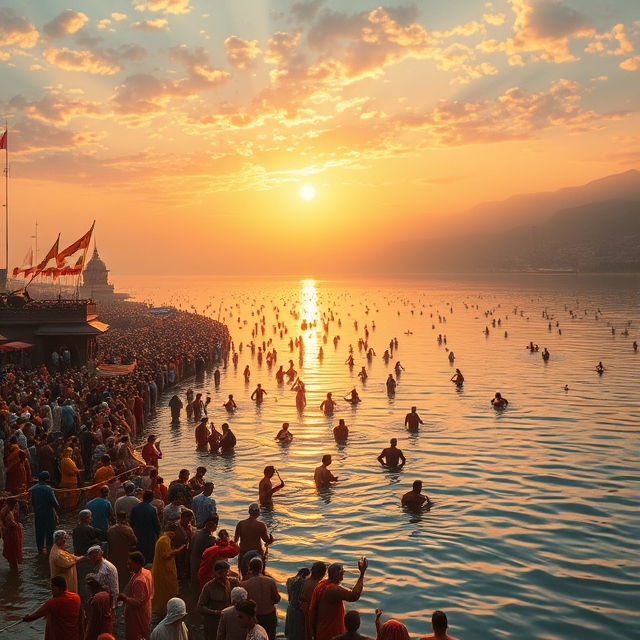
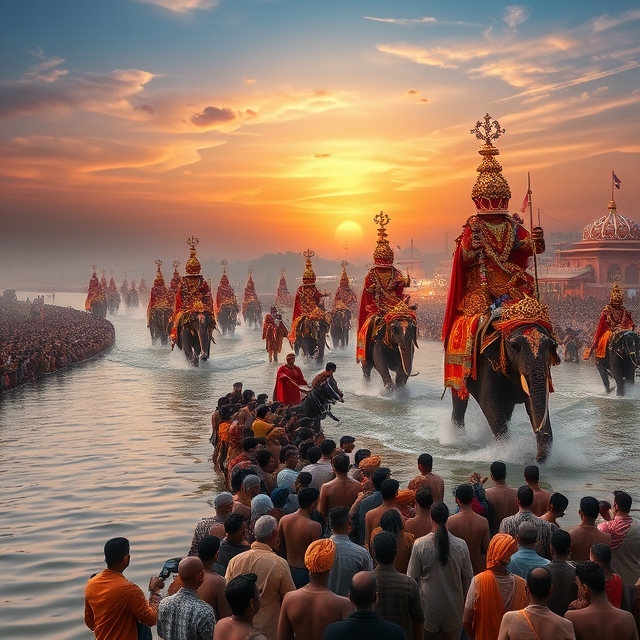
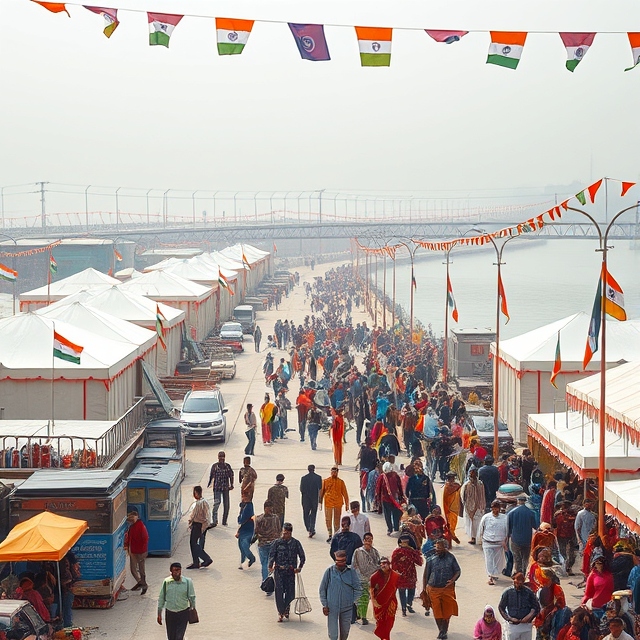
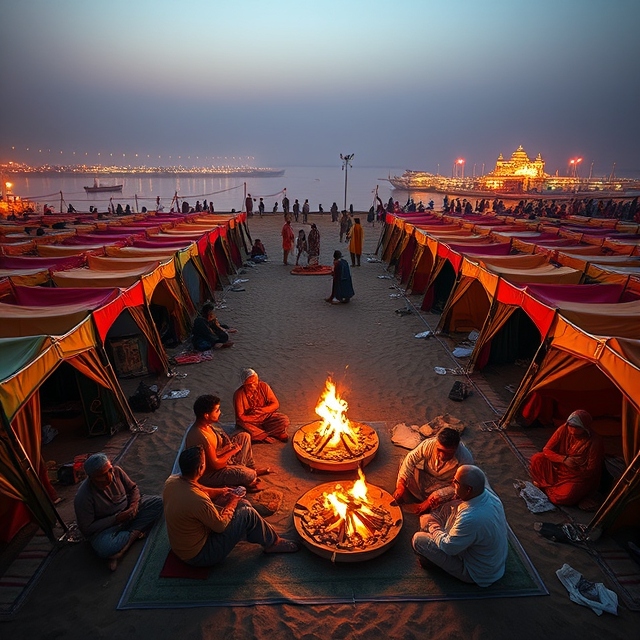
Mahakumbh for Families: How to Experience the Festival Together Mahakumbh Mela isn’t just for the spiritually inclined; it’s a family affair where traditions, culture, and spirituality blend to create a unique experience. Here’s how families can make the most of this grand festival, ensuring it’s educational, fun, and memorable for all ages. Planning Your Visit […]
Mahakumbh for Families: How to Experience the Festival Together
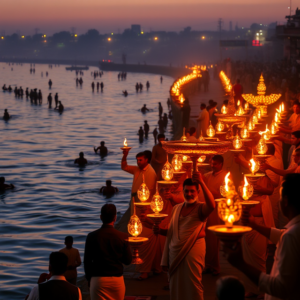
Mahakumbh Mela isn’t just for the spiritually inclined; it’s a family affair where traditions, culture, and spirituality blend to create a unique experience. Here’s how families can make the most of this grand festival, ensuring it’s educational, fun, and memorable for all ages.
Planning Your Visit
Choosing the Right Time
Avoid Peak Crowds: If traveling with young children or elderly family members, consider visiting on days that are not the major bathing days (Shahi Snan) to experience a less crowded atmosphere.
Duration: Decide if you’re staying for a day or longer. A longer stay allows for a more immersive experience but requires more planning.
Accommodation
Family-friendly Options: Look for tent cities or guest houses with family rooms. Some areas are designated for families, offering a more controlled environment.
Proximity: Choose accommodations close to the main festival area to minimize travel time and maximize time spent together.
Engaging Activities for All Ages
Spiritual and Cultural Exploration
Ritual Participation: Engage children by explaining the significance of the rituals like the holy dip. Let them participate in small offerings or prayer sessions.
Storytelling Sessions: Mahakumbh is rich with stories. Attend sessions where myths and legends are narrated, providing both education and entertainment.
Educational Opportunities
Workshops: Families can join workshops on yoga, meditation, or even traditional arts like rangoli or pottery, blending fun with learning.
Heritage Tours: Guided tours around the festival grounds can educate about the history and cultural significance of Mahakumbh, tailored to be engaging for younger audiences.
Interactive and Fun
Cultural Shows: Experience traditional music and dance performances. These are usually family-friendly and offer a taste of India’s diverse culture.
Craft and Souvenir Markets: Children might enjoy choosing souvenirs or watching artisans at work, teaching them about local crafts.
Safety and Comfort
Health Precautions
Hydration and Nutrition: Carry enough water and snacks, especially for kids. Look for family food stalls offering healthy options.
First Aid: Know the locations of medical camps or carry a small first-aid kit for minor injuries or ailments.
Managing Crowds
Stay Together: Use buddy systems or bright clothing for kids to be easily spotted in crowds. Agree on a meeting point in case anyone gets separated.
Timing: Visit less crowded areas or times of the day to avoid overwhelming the family, especially if you have young or elderly members.
Cultural Immersion
Respect and Participation
Dress Appropriately: Encourage dressing in traditional attire; it not only respects the cultural setting but also adds to the experience.
Partake in Customs: Engage in small rituals or cultural practices like lighting diyas or joining in community singing, fostering a sense of unity and respect.
Language and Interaction
Learn Basic Phrases: Teach children simple Hindi phrases for greetings or thanks. This can make interactions with locals more enjoyable and educational.
Cultural Exchange: Encourage conversations with pilgrims from different regions, enhancing understanding of India’s diversity.
Conclusion
Mahakumbh provides a unique platform for families to bond over shared spiritual and cultural experiences. It’s an opportunity to teach children about their heritage, practice patience, and embrace diversity. By planning well, focusing on family-friendly activities, and ensuring safety, Mahakumbh can be a transformative journey for families, embedding memories and values that last a lifetime.
Top 5 Mahakumbh Legends and Stories That Have Captured the World’s Imagination
The Mahakumbh Mela, one of the world’s largest spiritual gatherings, is steeped in mythology and legends that have not only shaped its rituals but also captured the imagination of millions across the globe. Here are five of the most captivating stories that form the cultural and spiritual backbone of Mahakumbh:
1. The Samudra Manthan (Churning of the Ocean)
The Myth: Perhaps the most foundational legend, Samudra Manthan describes the gods (Devas) and demons (Asuras) collaborating to churn the ocean of milk to obtain Amrita, the nectar of immortality. The churning, using Mount Mandara as the rod and Vasuki, the serpent king, as the rope, led to the emergence of many divine treasures, including the Amrita. During the subsequent battle for this nectar, drops fell at four places on earth – Prayagraj, Haridwar, Ujjain, and Nashik, where the Kumbh Mela is held.
Why It Captivates: This story not only explains the origin of Mahakumbh but also symbolizes the eternal struggle between good and evil, and the cosmic dance of creation and destruction.
2. The Tale of the Amrit Kalash
The Myth: Another variant of the Samudra Manthan myth involves Jayant, Indra’s son, taking the pot of Amrita. To protect it, different gods were assigned roles: the Sun to hold the pot, the Moon to ensure no spillage, Jupiter (Bhrahaspati) to guard against demons, and Saturn (Shani) to mediate conflicts. Drops of Amrita fell at the four sacred sites, sanctifying them.
Why It Captivates: This legend adds depth to the spiritual significance of the locations, emphasizing the celestial alignment and the divine protection of the nectar, making the festival’s timing and place even more special.
3. The Myth of the Kumbh and the Crow
The Myth: There’s a lesser-known tale where a crow, during the Samudra Manthan, tried to steal the Amrit from Garuda, Vishnu’s mount. In the ensuing chase, drops of Amrita fell at the four Kumbh locations, each considered a divine blessing.
Why It Captivates: This story introduces humor and a different perspective, highlighting the role of even the smallest creatures in mythology and the universal accessibility of divine grace.
4. The Naga Sadhus and Their Origins
The Myth: Naga Sadhus, the naked ascetics, are a spectacle at Mahakumbh. Legend has it that they were once warriors, formed to protect Hindu dharma. Their nudity signifies renunciation from material desires, and their participation in the Shahi Snan (royal bath) is not just a ritual but a demonstration of spiritual and physical prowess.
Why It Captivates: The presence of Naga Sadhus adds an element of mystique and martial tradition to Mahakumbh, intriguing visitors with their ascetic lifestyle and the lore of their ancient origins.
5. The Myth of the Three Rivers’ Confluence
The Myth: Mahakumbh is held at the Triveni Sangam, the confluence of the Ganga, Yamuna, and the mythical Saraswati. According to legend, the Ganga descended from heaven through Shiva’s hair to cleanse the sins of humanity, and the meeting of these rivers is considered the most sacred point on Earth.
Why It Captivates: This story resonates with the spiritual quest for purification and the celebration of nature’s divinity, making the act of bathing at the Sangam a profound experience.
Conclusion
These legends are not just stories; they are the threads that weave together the fabric of Mahakumbh, giving it a depth of cultural and spiritual significance that has fascinated people worldwide. Each tale adds layers to the understanding of why millions gather every 12 years at Prayagraj, drawn by faith, curiosity, and the allure of ancient narratives that continue to live and breathe through this grand festival.
The Mahakumbh 2025 Dates are pivotal for anyone planning to embark on this once-in-a-lifetime spiritual odyssey. Set in Prayagraj, this grandiose event occurs every 144 years, offering a rare chance for spiritual rejuvenation. Here’s everything you need to know to plan your pilgrimage effectively.
Why Mahakumbh 2025 Is Extraordinary
The Mahakumbh 2025 in Prayagraj stands out due to its unique celestial alignment, which is believed to amplify the spiritual benefits of the rituals. At the Triveni Sangam, where the sacred rivers Ganga, Yamuna, and Saraswati meet, the holy dips are not just a tradition but a path to moksha or liberation.
Key Mahakumbh 2025 Dates for Pilgrimage
Paush Purnima – January 13, 2025: The festival kicks off with the full moon of Paush, marking the start of the spiritual journey with the first holy dip.
Makar Sankranti – January 14, 2025: As the sun transitions into Capricorn, this day is ideal for seeking blessings of prosperity and health through the sacred bath.
Mauni Amavasya – January 29, 2025: Known for the vow of silence, this new moon day is revered for deep introspection and spiritual cleansing.
Basant Panchami – February 3, 2025: The arrival of spring is celebrated, and a dip in the holy waters on this day is thought to invoke wisdom and creativity.
Maghi Purnima – February 12, 2025: This full moon signifies another opportunity for spiritual purification before the festival winds down.
Maha Shivratri – February 26, 2025: The grand finale of Mahakumbh, this day is dedicated to Lord Shiva, offering the last chance for devotees to attain spiritual liberation.
Planning Your Visit to Mahakumbh 2025
Accommodation: With millions expected, booking your stay well in advance is crucial. Whether you opt for luxury tents or community shelters, the official Mahakumbh 2025 website is your best resource.
Travel: Enhanced rail services and special buses will cater to the influx, but congestion is inevitable. Plan your travel smartly, perhaps using the Mahakumbh app for real-time updates.
Safety and Health: The crowd density means health precautions are vital. Carry essentials like water, medication, and be aware of emergency medical services available.
Cultural Experience: Beyond the spiritual, Mahakumbh is a cultural phenomenon. Engage with the processions, listen to discourses by revered saints, and experience India’s spiritual diversity. Events like cultural performances and spiritual discourses are scheduled throughout the festival.
Embracing the Mahakumbh 2025 Experience
The Mahakumbh 2025 offers more than spiritual fulfillment; it’s a journey into the heart of India’s cultural heritage. Whether you’re there for the holy dips, to witness the largest peaceful congregation, or to explore the cultural mosaic, these dates are your guide to a profound experience. It’s an opportunity to connect with fellow humans in pursuit of enlightenment, to witness the vibrant tapestry of Indian traditions, and to partake in rituals that have been performed for thousands of years.
[Mahakumbh 2025 Dates]
Conclusion
Marking your calendar with the Mahakumbh 2025 Dates is the first step towards what could be one of the most transformative experiences of your life. Prepare, plan, and immerse yourself in this unparalleled celebration of faith and culture. Whether it’s your first time or you’re returning to deepen your spiritual journey, Mahakumbh 2025 awaits with open arms and sacred waters.
In a significant development within the financial research sector, Nate Anderson, founder of Hindenburg Research, has announced the closure of the firm. Established in 2017, Hindenburg gained prominence for its investigative reports on various companies, notably the Adani Group, leading to substantial market reactions.
Hindenburg Research’s Impact on the Adani Group
Hindenburg Research’s report on the Adani Group alleged stock manipulation and accounting fraud, resulting in a significant decline in the conglomerate’s market value. The report led to increased scrutiny from regulatory bodies and a reassessment of the group’s financial practices.
Closure Announcement and Reasons
Nate Anderson cited personal reasons for disbanding Hindenburg Research, emphasizing the demanding nature of the work and its impact on his well-being. He expressed a desire to achieve a better work-life balance and plans to share the firm’s investigative methodologies with the public.
Market Reaction and Adani Group’s Stock Performance
Following the announcement of Hindenburg Research’s closure, shares of the Adani Group experienced a notable surge. Adani Power’s stock rose by 9%, reaching ₹599.90, while Adani Enterprises saw an increase of 7.7%, hitting ₹2,569.85. This upward movement reflects renewed investor confidence in the conglomerate’s stability.
Future Outlook
The disbandment of Hindenburg Research marks the end of a significant chapter in activist short-selling. Nate Anderson’s commitment to open-sourcing the firm’s investigative techniques may influence future market research methodologies. Meanwhile, the Adani Group appears to be regaining its footing, with share prices rebounding post-announcement.
Conclusion
Hindenburg Research’s closure signifies a pivotal moment in financial market dynamics. The firm’s impactful reports, particularly concerning the Adani Group, have left an indelible mark on market practices and regulatory scrutiny. As the financial community adapts to this change, the legacy of Hindenburg’s investigative rigor is poised to influence future market oversight and corporate accountability.
For more insights, you can watch the following news coverage:
The attack occurred around 2:30 am when an unidentified individual entered Khan’s Bandra home. Upon confronting the intruder, Khan was stabbed six times, with one wound dangerously close to his spine.
Times of India A female employee present at the scene was also assaulted.
Khan’s wife, actress Kareena Kapoor Khan, and their two children were unharmed during the incident. The family has expressed gratitude for the outpouring of support from fans and well-wishers. This attack has raised significant concerns about celebrity security in Mumbai, prompting calls for enhanced protective measures in high-profile residential areas.
Mumbai Police have launched an investigation into the attack, focusing on identifying and apprehending the assailant. Preliminary reports suggest that the intruder may have been known to the household staff, as there were no signs of forced entry.
NDTV Authorities are reviewing security footage and interviewing witnesses to piece together the events leading up to the assault.
Public Reaction
The news of the attack has sent shockwaves through the Bollywood community and among fans worldwide. Social media platforms are flooded with messages of support for Khan’s speedy recovery. Industry colleagues have also expressed their concern and are urging for better security protocols for celebrities.
Conclusion
While Saif Ali Khan is currently in stable condition, the incident underscores the pressing need for improved security measures for public figures. The ongoing police investigation is expected to provide more clarity on the motives behind the attack and ensure that such breaches do not recur in the future.
For more details, you can watch the following news coverage:
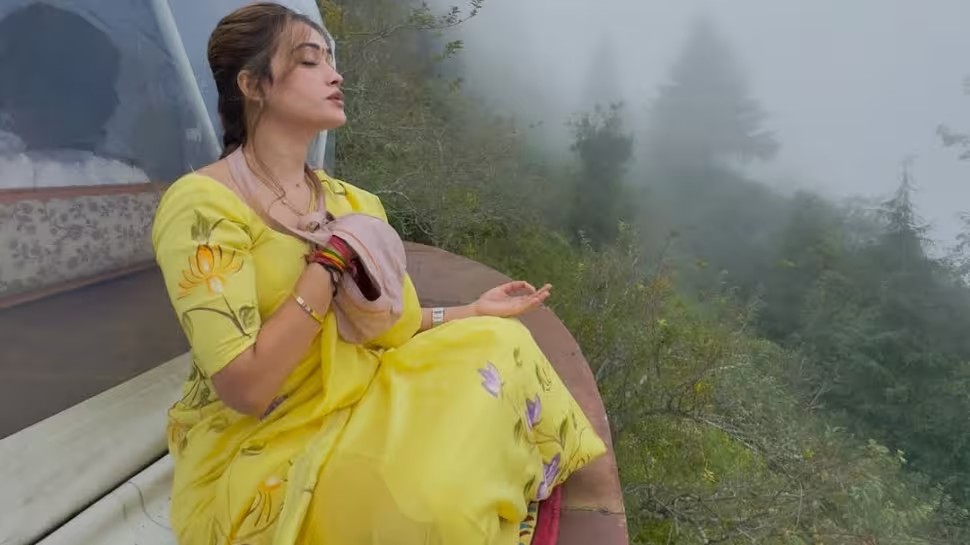
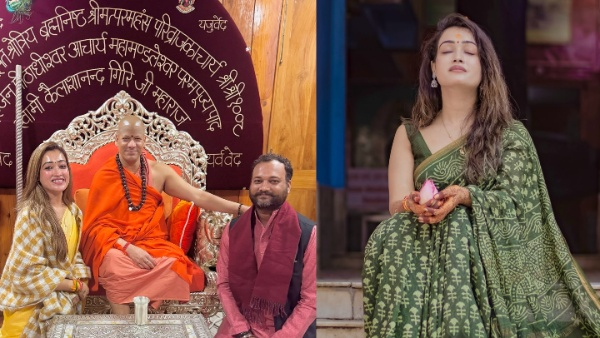
The Mahakumbh Mela in Prayagraj has always been a spiritual and cultural phenomenon, but this year, Harsha Richariya, a former event host turned sadhvi, is stealing the spotlight. Her viral interview has left audiences captivated as she shares her remarkable journey from a modern lifestyle to a life dedicated to spirituality and devotion to Lord Shiva.
From Modernity to Devotion
Harsha Richariya’s transition is a testament to the transformative power of spirituality. Just two years ago, she lived a fast-paced, Western-influenced lifestyle as an event host. However, a deep inner calling led her to embark on a spiritual journey, leaving behind worldly pursuits to dedicate herself to Lord Shiva. Her journey is an inspiration to many seeking meaning beyond material success.
The Search for a Guru
Harsha’s spiritual path wasn’t without challenges. For ten years, she sought a guru who could guide her toward enlightenment. Her quest culminated in a visit to Kedarnath, where she encountered her guru. This pivotal meeting provided her with clarity and set her on the path of devotion and self-discovery.
A Day in the Life of Harsha Richariya
Now residing in Rishikesh, Harsha’s daily life revolves around spiritual practices. Her routine includes meditation, yoga, kirtans, and community service, all of which bring her peace and fulfillment. She emphasizes that these practices are not only pathways to personal growth but also tools for spreading positivity and awareness.
Breaking Stereotypes
As a young and beautiful sadhvi, Harsha has faced her share of criticism and stereotypes. Yet, she firmly believes that spirituality transcends physical appearances and societal norms. In her viral interview, she encourages everyone, regardless of their background or looks, to embrace the spiritual path and seek transformation.
Social Media and Spiritual Awareness
Harsha’s social media presence has been instrumental in inspiring young people to explore spirituality. Through her posts, she shares insights into her journey, daily practices, and messages of hope. Her ability to merge modern tools with ancient wisdom makes her a beacon of inspiration for the younger generation.
Lessons from Harsha’s Journey
Harsha Richariya’s story is a powerful reminder that spirituality is a personal and transformative experience. Her dedication, resilience, and ability to rise above stereotypes showcase the universal appeal of devotion and self-awareness. Her journey continues to inspire countless individuals to find their own path to fulfillment and inner peace.
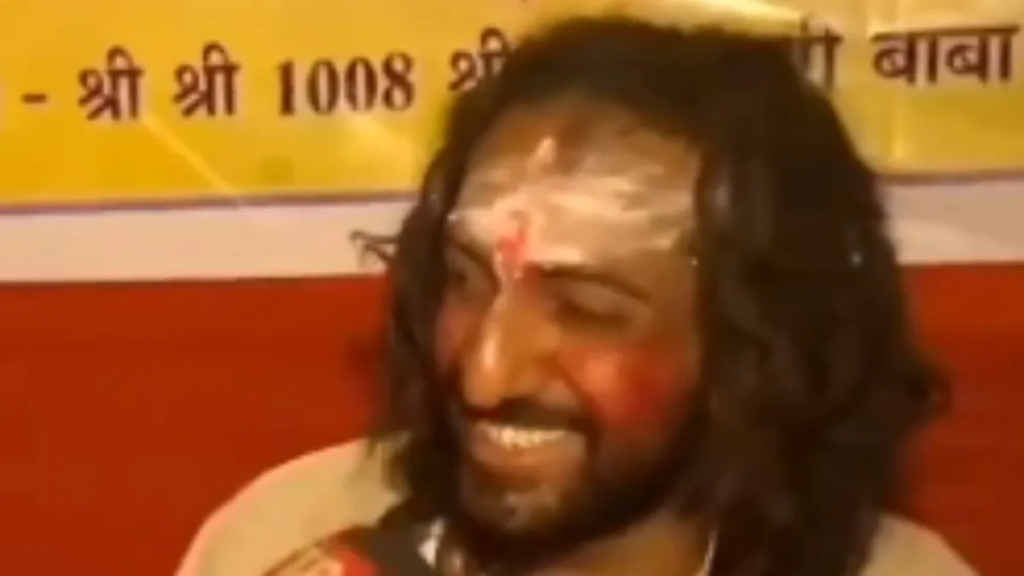
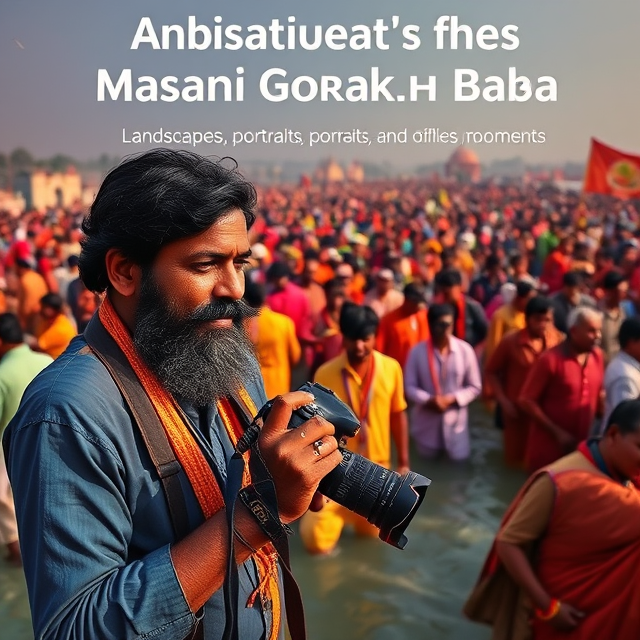
In an extraordinary tale of transformation, Masani Gorakh Baba, formerly Abhay Singh, is captivating audiences at Mahakumbh 2025. An aerospace engineer from IIT Mumbai, he now walks the path of spirituality, weaving together insights from philosophy, science, and art into his teachings. Let’s delve into his inspiring journey and how it speaks to the quest for deeper meaning in life.
From Engineering to Enlightenment
Masani Gorakh Baba’s transition from aerospace engineering to spiritual enlightenment is a story of courage and introspection. After years of excelling in a high-pressure academic and professional environment, he found himself yearning for a deeper purpose. This inner quest led him to explore philosophy, art, and interaction design, ultimately guiding him to spirituality. His journey is a testament to the transformative power of self-discovery and passion.
Finding Passion Through Photography
Photography became a pivotal medium for Masani to connect with the world and himself. Through the lens, he explored diverse cultures, landscapes, and emotions, which deepened his understanding of life. This creative outlet not only fueled his curiosity but also played a crucial role in his spiritual awakening, helping him view life beyond societal expectations.
Breaking Societal Stereotypes
Masani Gorakh Baba’s decision to leave a prestigious career path wasn’t easy. He faced criticism and skepticism, as many viewed his choice as unconventional or misguided. However, he remained steadfast, embracing his truth and challenging societal norms that often confine individuals to rigid definitions of success.
Integrating Knowledge into Teachings
What sets Masani apart as a spiritual leader is his ability to draw from multiple disciplines. His background in science complements his understanding of philosophy and art, allowing him to present holistic teachings. He emphasizes mental health, self-awareness, and the interconnectedness of existence, inspiring others to embark on their own journeys of self-exploration.
Navigating Relationships and Societal Expectations
In the interview, Masani shares candid insights into personal relationships and societal pressures. He reflects on the challenges of balancing connections with mental clarity and the importance of detachment. For Masani, detachment doesn’t mean isolation but rather a pathway to profound insights and genuine interactions.
Lessons for Modern Seekers
Masani Gorakh Baba’s life journey holds valuable lessons for anyone seeking meaning and fulfillment. His story reminds us of the importance of self-awareness, the courage to defy societal expectations, and the beauty of integrating diverse passions into a harmonious existence.
The Maha Kumbh Mela 2025 in Prayagraj is a spiritual event of unparalleled significance. With an expected attendance of over 40 crore devotees, planning your visit effectively can enhance your experience of this once-in-12-years phenomenon. Here’s a comprehensive guide to help you navigate the festival, covering accommodations, transportation, food, attractions, and safety.
Travel Logistics and Accessibility
Reaching Prayagraj during the Maha Kumbh can be challenging due to the high influx of visitors. Here’s what you need to know:
Road Closures: Many roads leading to the Kumbh Mela site will be closed for vehicles. Visitors should prepare for long walks of up to 4 km to reach their destinations.
Public Transport: Buses, boats, and shared vehicles will be available, offering convenient options to move around the city.
Plan Ahead: Use GPS and Kumbh navigation apps for real-time updates on route closures and crowd density.
Accommodation Options
Prayagraj will transform into a Tent City for the event, offering various accommodations for pilgrims:
Free Tent Options: Basic tents will be available for visitors at no cost, ideal for short stays.
Luxury Tent Cities: For those seeking comfort, deluxe tents equipped with modern amenities can be pre-booked.
Facilities: Overnight resting zones, changing rooms for women, and washrooms are provided at multiple locations.
Food Services and Facilities
Devotees can enjoy a range of food services at the Mela:
Free Meals: Langars (community kitchens) will serve free sattvik meals to visitors.
Water Stations: Free, safe drinking water is available across the venue.
Changing Rooms: Dedicated changing areas, especially for women, ensure convenience and privacy.
Tourist Attractions in Prayagraj
Enhance your Kumbh visit by exploring nearby historical and spiritual landmarks:
Allahabad Fort: A historic marvel offering a glimpse into Mughal-era architecture.
Triveni Sangam: The sacred confluence of the Ganga, Yamuna, and Saraswati rivers, where devotees take a holy dip.
Religious Temples: Don’t miss iconic temples like Patalpuri Mandir and Bade Hanuman Ji near the festival site.
Crowd Management and Safety Tips
With a massive influx of devotees, safety is a priority:
Police Presence: The site will have a robust security setup to manage crowds and address emergencies.
Lost-and-Found Centers: These centers will help reunite visitors with lost belongings or companions.
Stay Vigilant: Keep your belongings secure, follow police instructions, and avoid densely crowded areas if possible.
Key Snan (Bathing) Dates
Mark these auspicious dates on your calendar for the holy dips:
Makar Sankranti: January 14, 2025
Paush Purnima: January 25, 2025
Mauni Amavasya: February 10, 2025
Basant Panchami: February 16, 2025
Maghi Purnima: February 24, 2025
Tips for Visitors
Wear comfortable shoes for long walks.
Carry essentials like water bottles, a first-aid kit, and identification.
Plan your visit during non-peak hours to avoid heavy crowds.
Conclusion
The Prayagraj Maha Kumbh Mela 2025 promises a spiritually uplifting experience enriched by seamless facilities, mesmerizing attractions, and robust safety measures. Whether you’re a first-time visitor or a seasoned devotee, careful planning will ensure a memorable journey to this divine gathering.
The Maha Kumbh Mela 2025, commencing on January 13, introduces an innovative accommodation experience for devotees and visitors: the Dome City. This initiative offers luxurious dome accommodations equipped with modern amenities, providing a comfortable stay with breathtaking views of the Mela.
Luxurious Dome Accommodations
Strategically located around the Ganga, the Dome City features dome-shaped cottages elevated 15 feet above ground level. Each dome is designed to accommodate up to two guests, ensuring an intimate and comfortable environment. The glass structure allows guests to enjoy panoramic views of the Mela activities without compromising on comfort.
Modern Amenities and Facilities
These domes are equipped with world-class facilities, including air conditioning, geysers, and other essential amenities to ensure a comfortable stay. The elevated position of the domes offers a unique vantage point, allowing guests to witness the grandeur of the Mela from a height.
Pricing and Availability
The standard rate for a dome accommodation is ₹61,000 per night. During peak days, such as special bathing dates, the price may increase to ₹81,000 per night. Given the limited number of domes and the high demand, it is advisable to book well in advance to secure a spot.
Additional Luxury Tent Options
In addition to the Dome City, the Mela organizers are offering luxury tents categorized into semi-deluxe, deluxe, and luxurious options. These tents are equipped with verandahs, rooms, and washrooms, providing a comfortable stay amidst the spiritual ambiance of the Mela. Guests can also enjoy sattvik bhojan (vegetarian meals without onion and garlic) as part of their package.
Booking and Reservations
To ensure a seamless experience, it is recommended to book accommodations through official channels or reputable travel agencies specializing in Kumbh Mela arrangements. Early booking is essential due to the high demand and limited availability of luxury accommodations.
Conclusion
The introduction of luxurious dome accommodations at the Maha Kumbh Mela 2025 marks a significant enhancement in the hospitality offerings for devotees and visitors. These accommodations combine comfort with a unique perspective of the Mela, enriching the spiritual journey with modern conveniences and unparalleled views.
The Kumbh Mela holds profound spiritual importance in Hinduism. It is believed that during this period, the waters at the confluence of the Ganges, Yamuna, and the mythical Saraswati rivers become charged with divine energy, offering devotees an opportunity to cleanse their sins and attain Moksha (liberation).
Key Dates and Rituals
The festival spans several weeks, with specific days earmarked for Shahi Snan (royal baths), which are considered highly auspicious. The first Shahi Snan is scheduled for January 14, coinciding with Makar Sankranti, marking the sun’s transition into Capricorn.
Anticipating a massive influx of pilgrims, with estimates suggesting over 400 million attendees, the Uttar Pradesh government has initiated extensive preparations. Infrastructure developments include the construction of temporary housing, roads, and essential facilities to accommodate the devotees. Security measures are also being enhanced to ensure the safety of all participants.
Given the expected crowd, early planning for travel and accommodation is crucial. Special trains and increased transportation services are being arranged to facilitate pilgrim movement. Additionally, a tent city is being set up to provide lodging, offering a unique experience of living amidst the spiritual ambiance of the festival.
Health and Safety: Ensure vaccinations are up to date and carry necessary medications.
Personal Belongings: Keep valuables secure and be cautious in crowded areas.
Local Customs: Respect local traditions and participate in rituals with reverence.
Conclusion
The Maha Kumbh Mela 2025 offers a unique opportunity for spiritual rejuvenation and cultural immersion. By understanding its significance and preparing adequately, pilgrims can ensure a fulfilling and safe experience during this monumental event.