On January 29, 2025, a tragic stampede occurred during the Maha Kumbh Mela in Prayagraj, India, resulting in numerous fatalities and injuries. The incident took place in the early hours as tens of millions of devotees gathered for a holy dip at the confluence of the Ganges, Yamuna, and the mythical Saraswati rivers. reuters.com Causes […]
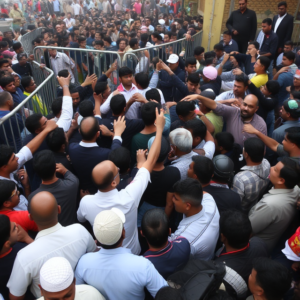
On January 29, 2025, a tragic stampede occurred during the Maha Kumbh Mela in Prayagraj, India, resulting in numerous fatalities and injuries. The incident took place in the early hours as tens of millions of devotees gathered for a holy dip at the confluence of the Ganges, Yamuna, and the mythical Saraswati rivers.
The exact cause of the stampede remains under investigation. Preliminary reports suggest that the massive influx of pilgrims led to overcrowding at key bathing sites. Security personnel struggled to manage the overwhelming crowds, leading to multiple stampedes.
The stampede resulted in significant loss of life and numerous injuries. The exact number of casualties is still being confirmed, with reports indicating at least 38 fatalities.
The tragedy has caused chaos and scenes of desperation as people search for missing loved ones.
Preventive Measures and Future Considerations
In response to the incident, authorities have enhanced crowd management measures. The use of AI-powered CCTV cameras and drones has increased surveillance across the Mela ground, while public announcements continue to guide the pilgrims.
Additionally, the Indian Railways has stated that more than 350 special trains to the Prayagraj region will not be canceled on Wednesday, ensuring that transportation remains available for pilgrims.
This tragedy underscores the critical need for effective crowd management strategies during large-scale religious events. Implementing advanced technologies, improving infrastructure, and ensuring clear communication can help prevent such incidents in the future.
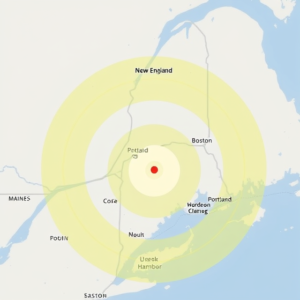
On January 27, 2025, at 10:22 a.m., a magnitude 3.8 earthquake struck near York Harbor, Maine, shaking areas from Portland to Boston. The quake originated approximately 12 miles underground.
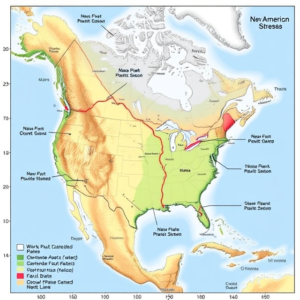
New England’s seismic activity is primarily due to intraplate stresses within the North American Plate. Unlike regions near tectonic plate boundaries, these earthquakes result from internal forces causing faults to slip. While the exact fault responsible for this event is undetermined, such occurrences, though uncommon, are not unprecedented in the area.
Residents reported brief shaking lasting 5 to 8 seconds, causing homes and buildings to tremble. Despite the widespread sensation, there were no significant damages or injuries reported. The event served as a reminder of the region’s vulnerability to seismic activities.
Assemble an Emergency Kit: Prepare a kit with essentials like water, non-perishable food, medications, flashlights, batteries, and important documents.
During the Quake: Practice “Drop, Cover, and Hold On.” Drop to your hands and knees, cover your head and neck, and hold on to sturdy furniture until the shaking stops.
After the Quake: Check for injuries and hazards, such as gas leaks or structural damage. Be prepared for aftershocks and stay informed through local news sources.
While significant earthquakes are rare in New England, this event underscores the importance of preparedness. By taking proactive measures, residents can enhance their safety and resilience against future seismic activities.
In a groundbreaking development, Chinese startup DeepSeek has unveiled an AI assistant that is poised to disrupt the artificial intelligence landscape, challenging industry giants like Nvidia. This innovation has not only showcased China’s rapid advancements in AI but has also sent ripples through global tech markets.
DeepSeek’s AI Assistant: A New Contender
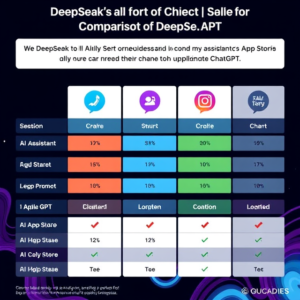
Launched recently, DeepSeek’s AI assistant has quickly become the most downloaded free app on Apple’s iPhone store, surpassing established competitors like OpenAI’s ChatGPT. This rapid ascent has raised eyebrows in the U.S. tech industry, particularly due to DeepSeek’s cost-effective approach to AI development.
DeepSeek’s AI model, named R1, demonstrates advanced reasoning capabilities while maintaining cost efficiency. Remarkably, the company achieved this by utilizing Nvidia’s lower-performance H800 chips, keeping training costs under $6 million—a fraction of the expenditure by U.S. tech giants. This approach challenges the prevailing notion that cutting-edge AI development necessitates substantial financial and computational resources.
The debut of DeepSeek’s AI assistant has had immediate financial repercussions. Nvidia, heavily reliant on AI chip demand, experienced a significant stock decline, with a 17% drop in market value. This event has prompted a reevaluation of AI infrastructure investments and raised concerns about the future demand for high-end AI chips.
DeepSeek’s success has ignited discussions about the evolving dynamics of the AI industry. By leveraging open-source models and innovative scaling techniques, the startup has positioned itself as a formidable competitor to U.S. AI companies. This development underscores the shifting balance in AI innovation and the potential for emerging players to disrupt established market leaders.
DeepSeek’s AI breakthrough exemplifies the rapid advancements in AI technology and highlights the potential for startups to challenge industry incumbents. As the AI landscape continues to evolve, the emergence of cost-effective and efficient models like DeepSeek’s R1 may redefine the competitive dynamics of the tech industry.
Fire Breaks Out at Goregaon East Furniture Market: Latest Updates and Impact
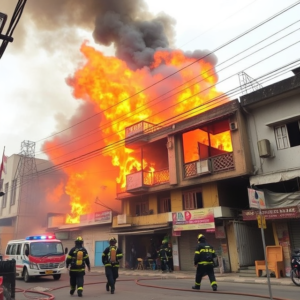
On Saturday, January 25, 2025, a significant fire erupted in the Khadakpada furniture market in Goregaon East, Mumbai, raising concerns among residents and authorities.
The blaze began around 11:20 AM, quickly spreading to five furniture shops in the market. The fire was categorized as a Level-III (major) fire, involving highly flammable materials such as wooden furniture, plastic items, and thermocol.
The Mumbai Fire Brigade responded promptly, deploying 12 fire engines, 11 jumbo water tankers, and one quick response vehicle. Firefighters worked tirelessly to control the blaze, which affected approximately 2,000 square meters of the market area.
Fortunately, no injuries or casualties were reported. The fire’s rapid spread caused significant damage to the affected shops, leading to substantial financial losses for the vendors.
Local residents expressed relief over the absence of casualties but voiced concerns about the market’s safety measures. There is a growing call for enhanced fire safety protocols to protect both vendors and customers in the future.
Conclusion
The fire at Goregaon East’s Khadakpada furniture market underscores the critical need for stringent fire safety measures in commercial areas. While the immediate threat has been contained, the incident highlights the importance of preparedness and preventive strategies to safeguard lives and property.
Syria’s al-Hol Camp Prepares for First Repatriation of Detainees
In a significant development, authorities in northeast Syria are preparing for the first-ever repatriation of detainees from the al-Hol camp. This initiative follows the fall of former President Bashar al-Assad’s regime in December 2023, leading to a shift in the region’s political landscape.
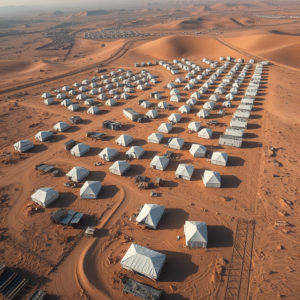
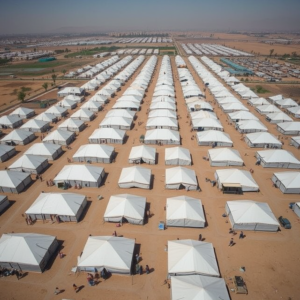
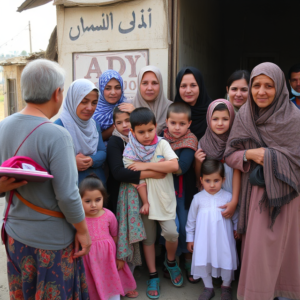
Al-Hol camp, located in northeastern Syria, has been a focal point for displaced individuals, particularly women and children associated with the Islamic State (ISIS). Housing approximately 40,000 residents, the camp has faced challenges related to security and humanitarian conditions.
The upcoming repatriation involves 66 families, primarily women and children, who are set to return to areas under the control of the Syrian government. This marks a significant shift in the management of detainees, as the previous regime’s policies had limited repatriation efforts due to concerns over human rights and security.
The repatriation is expected to have several implications:
Security Concerns: The return of individuals associated with ISIS raises potential security risks, including the possibility of re-engagement in extremist activities.
Humanitarian Considerations: Ensuring the safe and dignified return of detainees, along with providing necessary support for reintegration, is crucial to prevent further radicalization.
Political Dynamics: The repatriation process may influence the political relationships between the Syrian government and the Kurdish-led Syrian Democratic Forces (SDF), who have managed the camp.
Conclusion
The planned repatriation from al-Hol camp represents a pivotal moment in Syria’s post-conflict recovery. While it offers an opportunity for individuals to return to their communities, it also presents challenges that require careful management to ensure regional stability and the well-being of all involved.
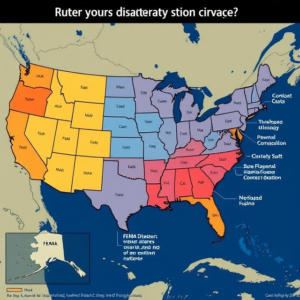
President Trump’s Proposal to Overhaul FEMA: Potential Impacts on Disaster Management
In the wake of recent natural disasters, President Donald Trump has proposed significant changes to the Federal Emergency Management Agency (FEMA), suggesting either a comprehensive overhaul or potential elimination of the agency. This proposal has sparked widespread discussion regarding the future of disaster management in the United States.
President Trump’s Proposal to Overhaul FEMA
During visits to areas affected by Hurricane Helene in North Carolina and wildfires in California, President Trump expressed dissatisfaction with FEMA’s performance. He criticized the agency’s bureaucratic inefficiencies and suggested that state governments should assume greater responsibility in disaster response. Trump proposed redirecting federal funds directly to states, allowing them to manage recovery efforts more effectively.
State-Led Disaster Response: Empowering state governments to lead disaster management could result in more localized and tailored responses. However, this approach may also lead to inconsistencies in disaster relief efforts across different states.
Resource Allocation: Redirecting federal funds to states raises concerns about equitable distribution, especially for states with limited resources. There is a risk that wealthier states might receive more assistance, potentially neglecting those in greater need.
Coordination Challenges: The absence of a centralized federal agency like FEMA could complicate coordination among various state and federal entities, potentially delaying response times and hindering effective disaster management.
Public Perception: Public trust in disaster response efforts may be affected by the perceived effectiveness of state-led initiatives compared to the established federal framework.
Conclusion
President Trump’s proposal to overhaul or eliminate FEMA represents a significant shift in U.S. disaster management policy. While the intention is to streamline and improve response efforts, careful consideration is necessary to address potential challenges and ensure that disaster relief remains effective and equitable across the nation.
Inside Ukraine’s Drone Operations: Deep Strikes on Russian Territory
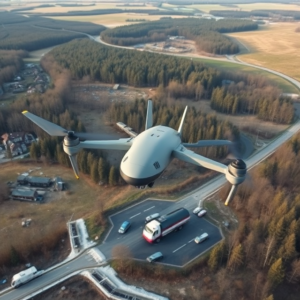
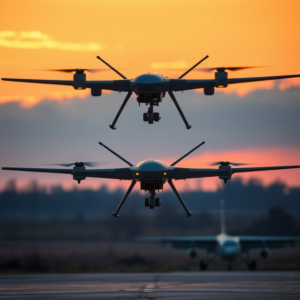
In recent months, Ukraine has escalated its military operations by deploying drones for deep strikes within Russian territory. These strategic attacks aim to disrupt Russian logistics, damage critical infrastructure, and alleviate pressure on Ukrainian frontlines.
The 14th Unmanned Aerial Systems Regiment
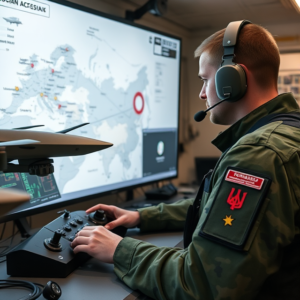
Central to this initiative is the 14th Unmanned Aerial Systems Regiment, a specialized unit comprising several hundred personnel, including analysts and engineers. Operating covertly, the regiment focuses on long-range drone strikes targeting key Russian facilities such as airbases and industrial sites. While the unit’s founders acknowledge the significance of drone operations, they emphasize that traditional military forces remain essential for achieving a decisive outcome in the conflict.
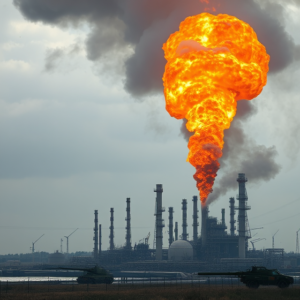
Ryazan Oil Refinery Attack: On January 24, 2025, Ukrainian drones targeted one of Russia’s largest oil refineries in Ryazan, setting oil storage tanks ablaze and causing significant damage to railway loading racks and a hydrotreater unit. This attack was part of a broader raid involving 121 drones targeting 13 regions, including Moscow. The Russian Defence Ministry claimed to have intercepted and destroyed the drones but did not report casualties or damages.
Kazan Drone Strike: Earlier, Ukrainian drones attacked the Russian city of Kazan, damaging several residential buildings. Local authorities reported the incident, highlighting the expanding reach of Ukraine’s drone operations.
These drone operations signify a strategic shift in the conflict, enabling Ukraine to strike deep within Russian territory and target critical infrastructure. While the full impact of these operations is challenging to assess independently, they underscore the evolving nature of warfare and the increasing role of unmanned systems in modern conflicts.
Conclusion
Ukraine’s deployment of drones for deep strikes into Russian territory represents a significant development in the ongoing conflict. As both nations continue to adapt their military strategies, the role of unmanned aerial systems is expected to grow, potentially altering the dynamics of the war.
U.S. Military Aircraft Deports Migrants Amid Heightened Border Security
In a significant escalation of immigration enforcement, the U.S. government has commenced using military aircraft to deport migrants as part of its intensified border security measures. This initiative reflects the administration’s commitment to addressing illegal immigration and enhancing national security.
Deployment of Military Aircraft for Deportations
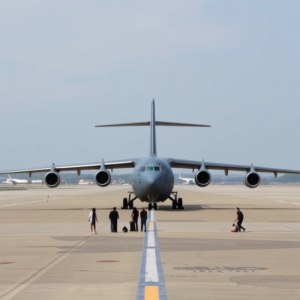
On January 24, 2025, U.S. Air Force C-17 Globemaster III aircraft were utilized to deport detained migrants to Guatemala. Each flight carried approximately 80 individuals, marking the first known instance of military planes being employed for deportation purposes in recent history.
Upon assuming office, President Donald Trump declared illegal immigration a national emergency, directing the U.S. military to support border security and deportation efforts. This directive has led to increased military involvement in immigration enforcement, including the deployment of additional troops to the southern border.
The use of military aircraft for deportations has elicited varied international responses. Notably, Mexico recently refused permission for a U.S. deportation flight to land, citing paperwork issues. Despite this incident, Mexico’s foreign ministry emphasized the country’s strong relationship with the U.S. and ongoing cooperation on immigration matters.
Implications for Border Security and Immigration Policy
The deployment of military resources for deportations underscores the administration’s stringent approach to border security. While proponents argue that these measures are necessary to uphold the rule of law and national sovereignty, critics raise concerns about the humanitarian impact and potential violations of due process rights.
Conclusion
The utilization of U.S. military aircraft for deporting migrants represents a pivotal development in the nation’s immigration enforcement strategy. As the administration continues to implement robust measures to secure the border, the balance between national security and humanitarian considerations remains a focal point of public discourse.
Exclusive Insights into Hamas’s Recruitment Surge Amid Ongoing Conflict
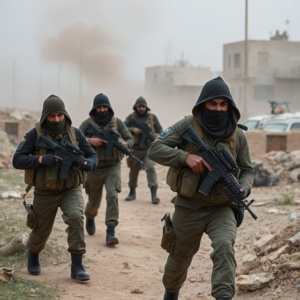
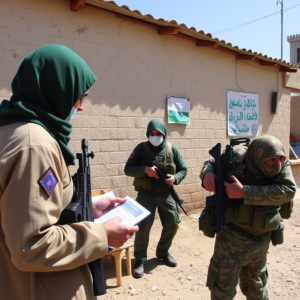
In recent times, Hamas has intensified its recruitment efforts, leading to a significant increase in its ranks amid the ongoing conflict. This surge is driven by a combination of strategic initiatives and prevailing socio-political conditions in the region.
Factors Contributing to the Recruitment Surge
Socio-Economic Challenges: High unemployment rates and economic hardships in Gaza have made many individuals susceptible to recruitment, as Hamas offers financial incentives and a sense of purpose.
Ideological Appeal: Hamas’s narrative of resistance against perceived oppression resonates with segments of the Palestinian population, particularly the youth, who are disillusioned with the current state of affairs.
Community Engagement: Hamas has been actively involved in social services, including education and healthcare, fostering goodwill and trust within communities, which facilitates recruitment.
Recruitment Strategies Employed by Hamas
Utilization of Social Media: Hamas leverages platforms like Facebook, Twitter, and Telegram to disseminate propaganda, communicate with potential recruits, and coordinate activities.
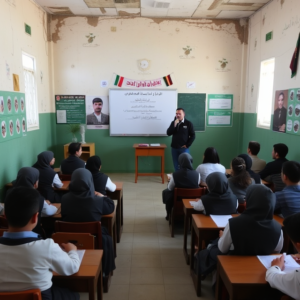
Educational Institutions: By influencing educational curricula and engaging with students, Hamas instills its ideology from a young age, grooming future members.
Religious Institutions: Mosques and religious gatherings serve as venues for spreading Hamas’s message and identifying potential recruits who are sympathetic to their cause.
Implications of the Recruitment Surge
The increase in Hamas’s recruitment efforts has significant implications for regional stability:
Escalation of Conflict: A bolstered Hamas force could lead to intensified confrontations with Israeli forces, resulting in increased casualties and destruction.
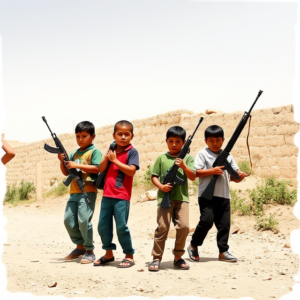
Humanitarian Concerns: The recruitment of young individuals into militant activities raises ethical issues and exacerbates the humanitarian crisis in the region.
Impact on Peace Efforts: The growing strength of Hamas may undermine diplomatic initiatives aimed at achieving a peaceful resolution to the Israeli-Palestinian conflict.
Conclusion
Hamas’s recent recruitment surge is a multifaceted issue driven by socio-economic, ideological, and strategic factors. Addressing this challenge requires a comprehensive approach that includes economic development, countering extremist narratives, and fostering dialogue to promote peace and stability in the region.
Hamas’s Recent Military Parade in Gaza: Implications for Middle East Stability
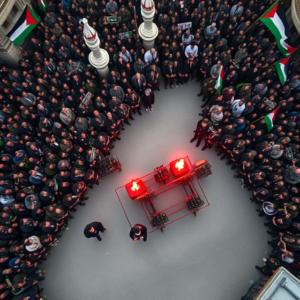
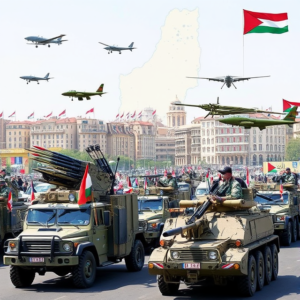
In January 2025, Hamas conducted a significant military parade in Gaza City, showcasing an array of weaponry, including rockets, drones, and armored vehicles. This display of military strength was attended by thousands of supporters and featured speeches from key Hamas leaders.
Strategic Messaging and Regional Reactions
The parade served as a demonstration of Hamas’s military capabilities and resilience. Analysts suggest that this show of force was intended to bolster internal support, deter adversaries, and assert Hamas’s position within the Palestinian political landscape.
The international community has expressed concern over the potential escalation of tensions resulting from such displays. Neighboring countries and global powers are closely monitoring the situation, apprehensive that these actions could destabilize the already fragile peace in the region.
Implications for Middle East Stability
Hamas’s military parade underscores the persistent volatility in the Middle East. Such demonstrations can exacerbate tensions between Israel and Palestinian factions, potentially leading to escalated conflicts. The parade also complicates diplomatic efforts aimed at achieving long-term peace and stability in the region.
Conclusion
Hamas’s recent military parade in Gaza is a significant event with far-reaching implications for Middle East stability. It highlights the ongoing challenges in the region and the delicate balance required to maintain peace.