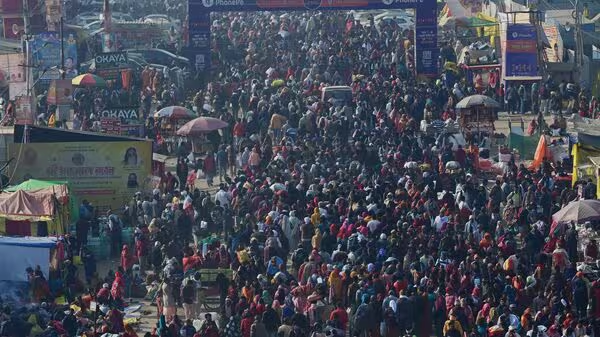
The Mahakumbh 2025 promises a once-in-a-lifetime spiritual experience, offering devotees the opportunity to participate in age-old rituals across four sacred sites: Haridwar, Prayagraj, Nashik, and Ujjain. Each location holds unique significance, making the Mahakumbh not just a pilgrimage but a profound spiritual journey.
The Essence of Mahakumbh 2025 Rituals
The Mahakumbh 2025 rituals symbolize purification, devotion, and enlightenment. Pilgrims believe that participating in these ceremonies can cleanse their souls and lead to salvation. Let’s dive into the rituals that define the Mahakumbh and their significance at each sacred site.
Key Rituals at Each of the Four Sacred Sites
1. Haridwar: The Gateway to Spiritual Enlightenment
Haridwar, where the Ganga River descends into the plains, is the first venue for the Mahakumbh. The key rituals include:
- Shahi Snan (Royal Bath): Witnessing saints and seers from various akharas take a ceremonial dip in the Ganga.
- Aarti on the Ghats: Devotees participate in evening aartis, offering prayers and floating diyas on the river.
- Yoga and Meditation Camps: These camps allow participants to connect with their inner selves.
2. Prayagraj: The Land of Confluence
Known for the Triveni Sangam (confluence of Ganga, Yamuna, and Saraswati), Prayagraj hosts some of the most iconic rituals:
- Kalpavas: Pilgrims spend a month living on the riverbank, following strict spiritual practices.
- Pind Daan: A ritual performed to honor ancestors and help them attain liberation.
- Akshaya Snan: Bathing at the confluence on specific dates for eternal blessings.
3. Nashik: The Abode of Lord Shiva
Nashik, closely associated with the Ramayana, offers distinct rituals:
- Kumbh Snan: Pilgrims take a dip in the sacred Godavari River to wash away sins.
- Ram Katha Recitations: Spiritual discourses that recount Lord Ram’s journey.
- Temple Offerings: Devotees visit Trimbakeshwar Temple to seek blessings.
4. Ujjain: The Eternal City of Mahakal
Ujjain, the city of Lord Shiva, hosts rituals centered around cosmic energy:
- Bhasma Aarti: A unique morning aarti performed with ash at Mahakaleshwar Temple.
- Rudra Abhishek: Worship of Lord Shiva through water and milk offerings.
- Cultural Performances: Devotional music and dance celebrate the divine.
Symbolism Behind Mahakumbh Rituals
The rituals of Mahakumbh are deeply symbolic:
- Shahi Snan: Represents the shedding of ego and embracing humility.
- Kalpavas: Encourages self-discipline and detachment from material desires.
- Pind Daan: Honors family ties and the cycle of life and death.
Tips for Participating in Mahakumbh Rituals
- Plan Ahead: Check the dates for specific rituals and arrive early to secure a spot.
- Follow Guidelines: Respect the sanctity of the rituals by adhering to local customs.
- Stay Hydrated: Keep essentials like water and snacks handy during long rituals.
Conclusion
The Mahakumbh 2025 rituals offer a rare opportunity to experience the profound spirituality of India. From the sacred dips to the vibrant cultural performances, each ritual is a testament to the country’s rich heritage and devotion. Whether you’re seeking spiritual growth, cultural insights, or a transformative journey, Mahakumbh 2025 is an event you cannot miss.